3. Gender
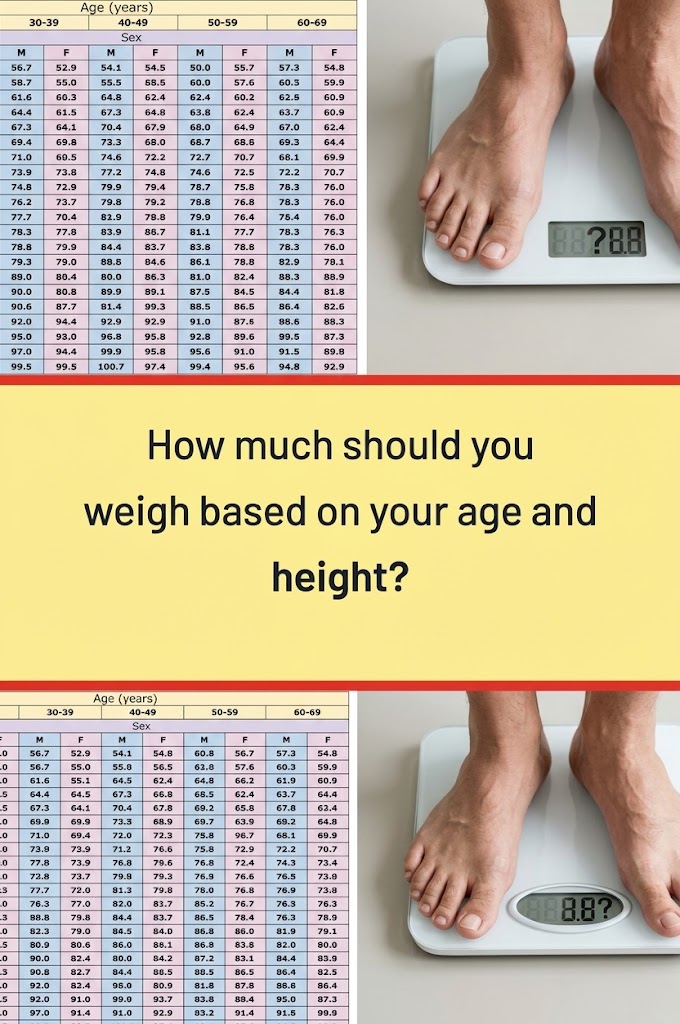
Gender plays a key role in determining ideal weight because men and women typically have different body compositions. Men usually have a higher percentage of muscle mass and lower body fat compared to women of the same height and weight.
These physiological differences mean that weight ranges considered healthy differ between genders. For example, a healthy BMI range applies broadly, but muscle mass and fat distribution vary, so two people of the same height and weight but different genders may have very different health profiles.
Women also experience hormonal changes such as those during menopause that can influence weight distribution and metabolism, affecting their ideal weight over time.
Practical Guidance on Maintaining a Healthy Weight
Determining your ideal weight is a starting point, but maintaining it involves a combination of balanced nutrition, regular physical activity, and monitoring health markers. Focus on body composition rather than the scale alone, aiming to preserve muscle mass and minimize excess fat.
- Use tools like BMI calculators and waist circumference measurements as screening aids, but consult healthcare providers for personalized assessments.
- Incorporate strength training in your routine to support muscle retention, especially as you age.
- Adjust calorie intake based on activity level and metabolic changes over time.
When to See a Doctor
If you experience unexplained weight loss or gain, difficulty maintaining a stable weight despite lifestyle changes, or symptoms such as fatigue, swelling, or shortness of breath, consult a healthcare professional. These signs can indicate underlying health conditions that require evaluation.
Also seek medical advice before beginning any significant diet or exercise program, especially if you have chronic illnesses or take medications that affect weight.
Conclusion
Your ideal weight is not a fixed number but a range influenced by height, age, gender, and body composition. Understanding these factors helps set realistic and healthy targets for weight management. Prioritize overall health and functional fitness over arbitrary numbers on a scale, and work with healthcare providers for personalized guidance.
Disclaimer: This information is for educational purposes only and is not a substitute for professional medical advice. Always consult your healthcare provider regarding any health concerns or before making changes to your diet or exercise routine.