Understanding the Real Costs of Weeds and Natural Control
Weeds can take over flower beds, vegetable gardens, and cracks between paving stones quickly, but the true challenge lies in preventing their return. Ignoring weed control can lead to costly damage such as disrupted plant growth, reduced garden productivity, and even structural problems when weeds grow between paving or near foundations. Professional weed removal services typically charge between $50 and $150 per hour, depending on the extent of the problem and location. For homeowners aiming to manage weeds naturally, the key decision is whether you are dealing with young seedlings or established perennial weeds with deep roots—because the approach and cost implications differ greatly.
Are Your Weeds Young Seedlings or Established Perennials?
Early identification is crucial. Young weeds can usually be pulled or hoed easily before they set seed, preventing future outbreaks. In contrast, perennial weeds require more effort to remove their root systems completely; otherwise, they will regrow. Simply cutting leaves or mowing will not stop these plants from returning. Regularly inspect your garden to catch new growth promptly, as missing this window can mean more intensive control measures and higher costs later.
Protecting Soil and Plants Without Harm
Leaving soil bare invites weed seeds to germinate. Applying a layer of mulch—such as bark chips or wood mulch—helps block sunlight that many weed seedlings need to grow. However, mulch depth needs to be managed carefully: around 3 to 4 inches for coarse mulches, less for finer materials, to avoid excessive moisture retention that can harm desirable plants. Organic mulches break down over time and require replenishment to stay effective. While mulch reduces weed emergence, it does not eliminate the need for occasional manual weeding.
Safe Options for Weeds in Hard-to-Reach Areas
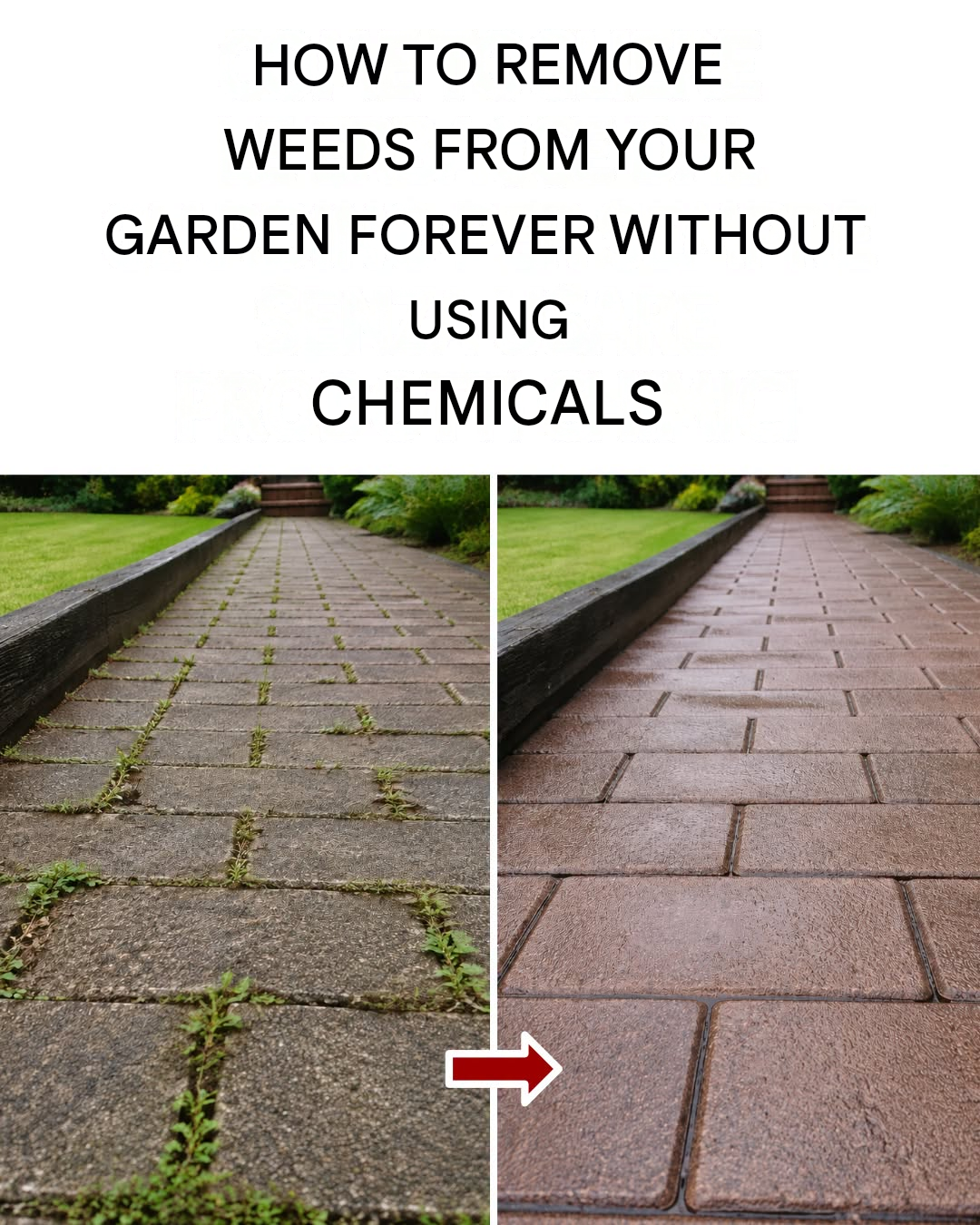
Weeds growing in pavement cracks or between stones can be difficult to remove mechanically. Pouring boiling water directly on these small weeds can effectively damage the above-ground parts, especially for young plants. However, this method mainly affects the visible foliage; roots often survive, necessitating repeated treatments. Care must be taken to avoid splashing boiling water on yourself, others, or nearby plants. Unlike chemical herbicides, boiling water poses no chemical residues but is not a permanent solution for deeply rooted weeds.
Soil Solarization: A Climate-Dependent Strategy
For an unplanted garden bed, soil solarization uses clear plastic sheeting to trap heat and raise soil temperature enough to kill some weed seeds and seedlings. The process involves moistening the soil, covering it tightly with plastic, and leaving it sealed for 4 to 6 weeks during the hottest, sunniest period of the year. While effective for surface weed seeds, solarization has limits: it may not kill deep roots or underground storage organs. After treatment, avoid disturbing the soil deeply, as this can bring untreated weed seeds back to the surface.
Why Some Popular Natural Remedies Can Backfire
Many homemade recipes involving vinegar and salt claim to kill weeds naturally. However, vinegar mostly damages only the plant’s leaves and often fails to kill established roots, allowing weeds to regrow. Salt can have lasting negative effects on soil health by making it inhospitable to desirable plants, and concentrated horticultural vinegar poses risks of skin and eye injuries. These natural does not always mean safe or effective. Commercial herbicides are formulated for safety and efficacy but require careful use according to the label.
Here are the 5 essential natural weed control methods that can reduce regrowth and protect your garden; one of them is crucial for long-term success.