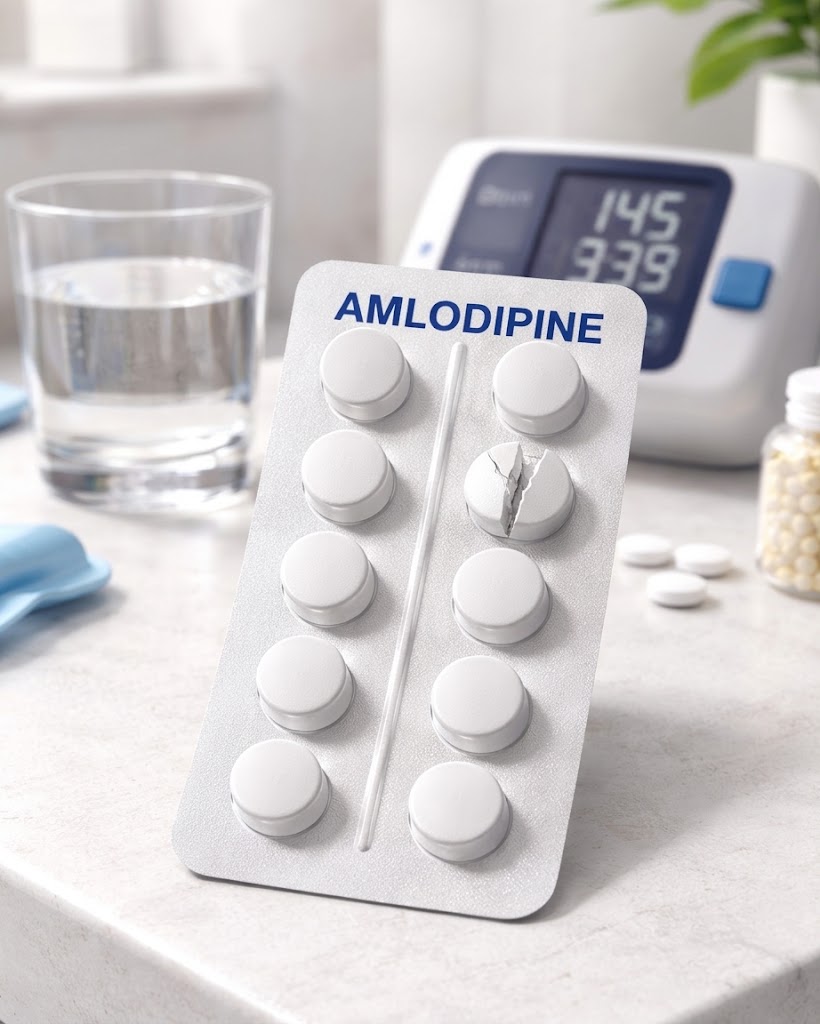
Important: Address Dizziness or Swelling Promptly
If you experience severe dizziness, fainting, or sudden swelling during amlodipine treatment, seek medical attention immediately as these can indicate serious complications.
Why Managing Habits Matters When Taking Amlodipine
Amlodipine is a commonly prescribed calcium-channel blocker used to lower blood pressure and reduce cardiovascular risks. While generally effective and well tolerated, many patients notice side effects such as ankle swelling (peripheral edema), dizziness, headaches, and fatigue. These symptoms can sometimes be intensified by everyday habits that interfere with your medication’s effectiveness or worsen side effects.
Distinguishing Between Medication Side Effects and Habit-Related Issues
Understanding whether symptoms stem directly from amlodipine or from lifestyle factors is crucial. For example, peripheral edema is a known, dose-related side effect of amlodipine. However, habits such as consuming excessive salt or prolonged immobility can increase fluid retention and swelling independently of the medication.
Before making changes to your medication regimen, always consult your healthcare provider. They can help determine if symptoms are medication-related or if modifying habits could ease your discomfort.
Check Your Medicine Cabinet and Diet First
Some over-the-counter medications, like nonsteroidal anti-inflammatory drugs (NSAIDs), can reduce blood pressure control and impact kidney function when taken regularly with amlodipine. Additionally, grapefruit juice is often flagged for interacting with blood pressure drugs, though its effect on amlodipine specifically is less definitive. Still, it’s wise to discuss grapefruit consumption with your pharmacist or doctor, especially if you take multiple medications.
Excessive alcohol intake can amplify amlodipine’s blood-pressure-lowering effects, increasing dizziness or fatigue, so monitoring and moderating alcohol use is important.
Consider Your Daily Movement and Fluid Intake
Remaining seated or standing in one position for extended periods can worsen leg swelling by impairing circulation. Gentle movement throughout the day supports cardiovascular health and reduces swelling.
Dehydration can also cause dizziness and lightheadedness, particularly when combined with blood pressure medications. Ensuring adequate fluid intake helps maintain stable blood pressure and reduces side effect risks.
Sleep, Stress, and Stimulants Impact Blood Pressure Control
Chronic stress and poor sleep do not directly reduce amlodipine’s effectiveness but can make blood pressure harder to manage and exacerbate symptoms like headaches and fatigue. Establishing a consistent sleep routine and stress management practices aids overall blood pressure control.
Caffeine, while not directly interacting with amlodipine for most people, can temporarily raise blood pressure and contribute to jitteriness or sleep disturbances. Monitoring caffeine intake, especially later in the day, can improve symptom management.
Here are the 8 habits that can significantly affect your experience with amlodipine. Number 5 is the one most people overlook — but it has a major impact on blood pressure control.






