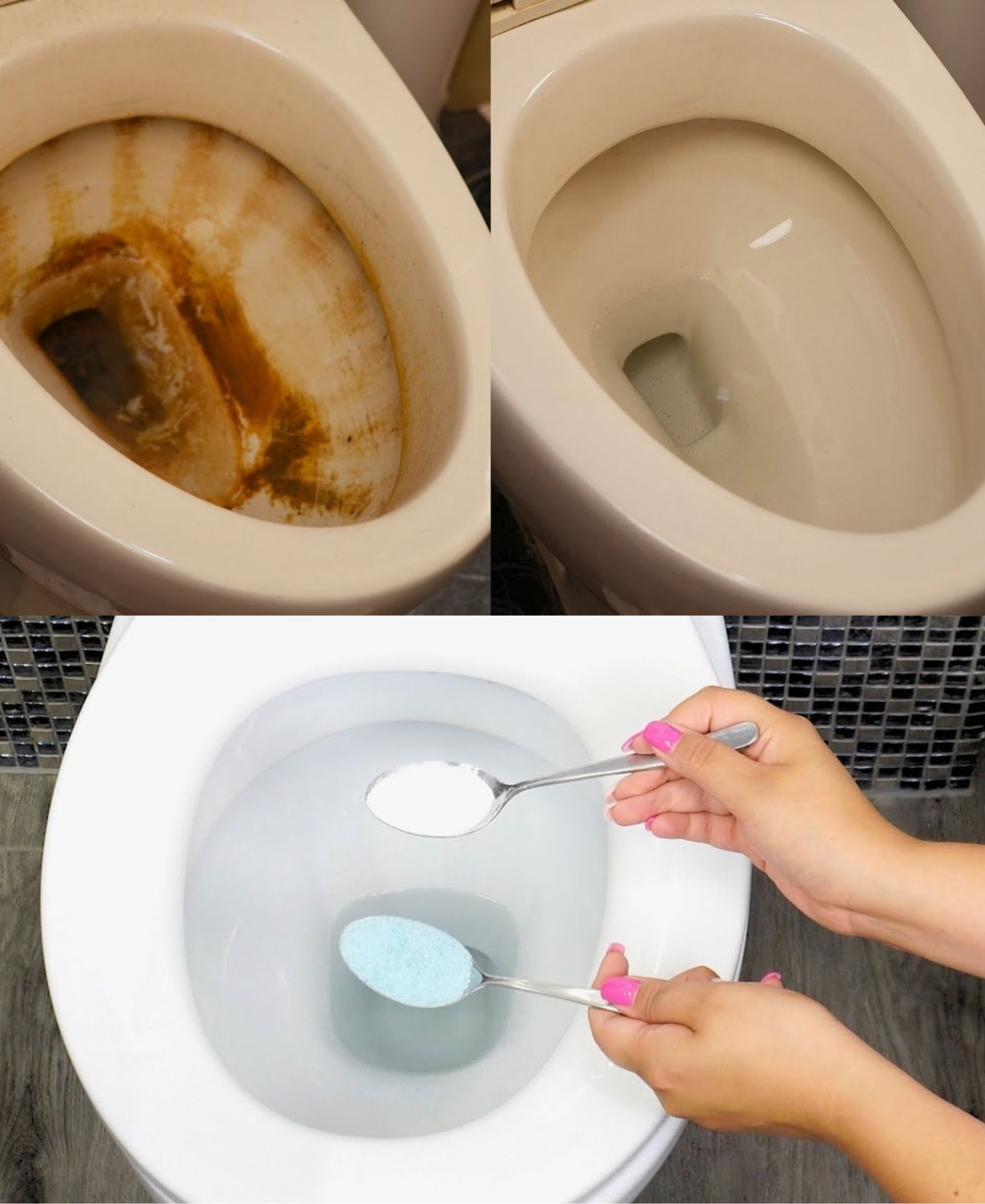
1. Identifying limescale vs damage
Limescale appears as hard, chalky white or off-white deposits, often with a rough texture, that form primarily around water fixtures exposed to hard water. Unlike stains or surface damage, limescale is mineral buildup composed mainly of calcium carbonate. It typically feels gritty and can be scraped off with some effort.
Distinguishing limescale from actual damage or corrosion is essential before cleaning. Damage may show as pitting, cracks, or discoloration that does not scrub away. Limescale, in contrast, usually deposits on top of surfaces and can be softened or dissolved with acidic cleaners like white vinegar.
Do not attempt to remove suspected damage with acidic solutions, as this might worsen corrosion. If unsure, test a small inconspicuous area first or consult a professional.
2. Cost risks of untreated limescale
Ignoring limescale buildup in toilets and bathroom fixtures can lead to costly repairs or replacements. Over time, thick deposits reduce water flow and clog pipes or valves, causing plumbing inefficiencies. In toilets, limescale can wear down seals and mechanisms, resulting in leaks or malfunction.
Beyond plumbing, persistent limescale staining reduces the aesthetic and resale value of your bathroom. Removing limescale early with simple household ingredients avoids expensive commercial descalers, professional cleaning fees, or even fixture replacement costs.
Regular maintenance prevents mineral accumulation that might otherwise necessitate repairs costing hundreds of dollars.
3. Using white vinegar on toilet stains
White vinegar is an effective and affordable solution for removing limescale and stubborn stains inside toilets. Pour a generous amount directly onto the stains, including areas below the waterline if accessible. Let it sit for 20 to 30 minutes to allow the acetic acid to weaken mineral deposits.
After soaking, scrub gently with a toilet brush or an old toothbrush to break up softened limescale. Flush to rinse away residues. Repeat this process weekly to prevent buildup and maintain sanitation.
Avoid using vinegar on natural stone toilet seats or any surfaces with enamel damage, as acidity might etch or discolor them.






