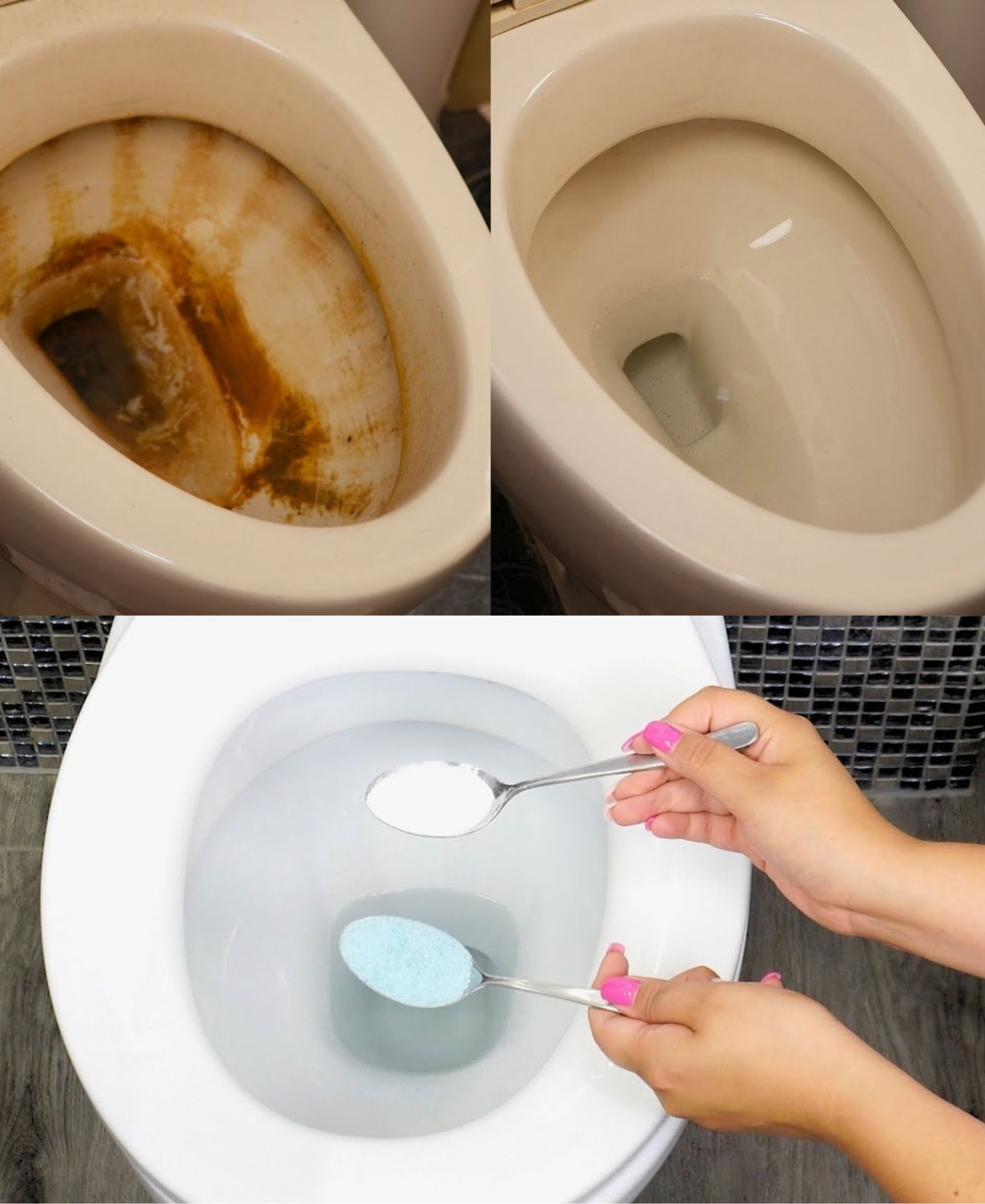
Understanding the True Cost of Stubborn Limescale in Your Toilet
Limescale buildup in toilets is more than just an aesthetic issue—it can signal mineral deposits that, if ignored, lead to permanent damage and costly repairs. Homeowners often confuse limescale stains with dirt, but limescale is a hard, chalky layer caused by mineral-rich water. Unlike surface dirt, limescale requires specific treatments to prevent long-term damage to porcelain and metal fixtures.
Distinguishing Between Dirt and Limescale in Your Bathroom
Before deciding on a cleaning method, it’s important to identify whether the discoloration in your toilet or bathroom surfaces is dirt, limescale, or damage. Dirt can typically be removed with regular cleaning agents, but limescale forms a mineral crust that resists standard cleaners. A simple test is to apply a small amount of white vinegar: if the stain softens and dissolves after 20-30 minutes, it is likely limescale. If the stain remains unchanged, it could be permanent damage, which may require professional restoration.
Financial Implications of Ignoring Limescale Buildup
Allowing limescale to accumulate can lead to degraded toilet bowls, corroded flush mechanisms, and stained shower glass and tiles. Repairing or replacing a heavily limescale-damaged toilet can cost between $200 and $500, depending on the model and labor. Shower door replacements or tile regrouting due to limescale damage can escalate costs further. Early treatment using appropriate ingredients can avoid these expenses.
Why White Vinegar Is the Recommended Ingredient for Limescale Removal
White vinegar contains acetic acid, which effectively breaks down mineral deposits without damaging porcelain or glass surfaces when used correctly. Unlike many commercial limescale removers, vinegar is environmentally friendly and safe to use indoors without harsh fumes. It is important to use vinegar properly: apply it directly to the affected areas, allow it to soak for 20-30 minutes, then scrub gently with a non-abrasive sponge or toothbrush. Excessive scrubbing or using abrasive tools can scratch surfaces and worsen damage.
Precautions When Using Vinegar on Bathroom Surfaces
While vinegar is safe for toilets, glass shower doors, and ceramic tiles, avoid using it on natural stone surfaces such as marble or granite, as the acid can etch and dull these materials. For shower glass, a mixture of vinegar, water, and a small amount of baking soda can improve cleaning efficacy but should be rinsed thoroughly to prevent residue. Always test cleaning solutions on a small, inconspicuous area first.
Here are the 5 key steps to effectively remove limescale without damaging your bathroom surfaces — and the one that is essential for protecting your fixtures.






