4. Cleaning shower glass safely
To remove limescale from shower glass, prepare a mixture of 250 ml water, 2 tablespoons white vinegar, and 2 tablespoons baking soda. Pour the mixture into a spray bottle and apply it evenly over the glass surface.
Let the solution sit for about 20 minutes. The mild acid in vinegar dissolves the mineral deposits while baking soda gently agitates the grime without scratching. Afterward, scrub with a non-abrasive sponge, rinse thoroughly with water, and dry with a soft cloth or paper towel to prevent streaks.
Do not use this mixture on tinted or coated glass, as vinegar may damage the finish or reduce protective coatings.
5. Cleaning bathroom tiles
For bathroom tiles, especially in showers, use a spray of two parts vinegar to one part water. Apply liberally and allow it to sit for several minutes to break down limescale and mild mold growth.
Wipe the tiles with a damp cloth or sponge, scrubbing gently on stained areas. Rinse well with clean water to remove any acidic residue. Regular use helps prevent mineral buildup and keeps grout lines cleaner.
Avoid applying vinegar on natural stone tiles such as marble or travertine, as the acid can etch the surface.
What to avoid
- Do not combine vinegar with bleach or commercial cleaners containing chlorine; this produces harmful chlorine gas.
- Avoid using vinegar on natural stone surfaces, enamel damage spots, or tinted glass to prevent etching and discoloration.
- Never mix vinegar with baking soda in advance and store it, as they neutralize each other and lose effectiveness.
Handling it safely
Wear gloves to protect your skin from prolonged vinegar exposure, which can cause irritation. Use in well-ventilated areas to avoid inhaling strong vinegar fumes. Keep cleaning solutions out of reach of children and pets.
When to call a professional
If limescale deposits are severe, deeply embedded, or causing plumbing issues such as persistent clogs or leaks, professional descaling or repairs may be necessary. Plumbing service costs vary but typically start around a few hundred dollars depending on the severity.
Conclusion
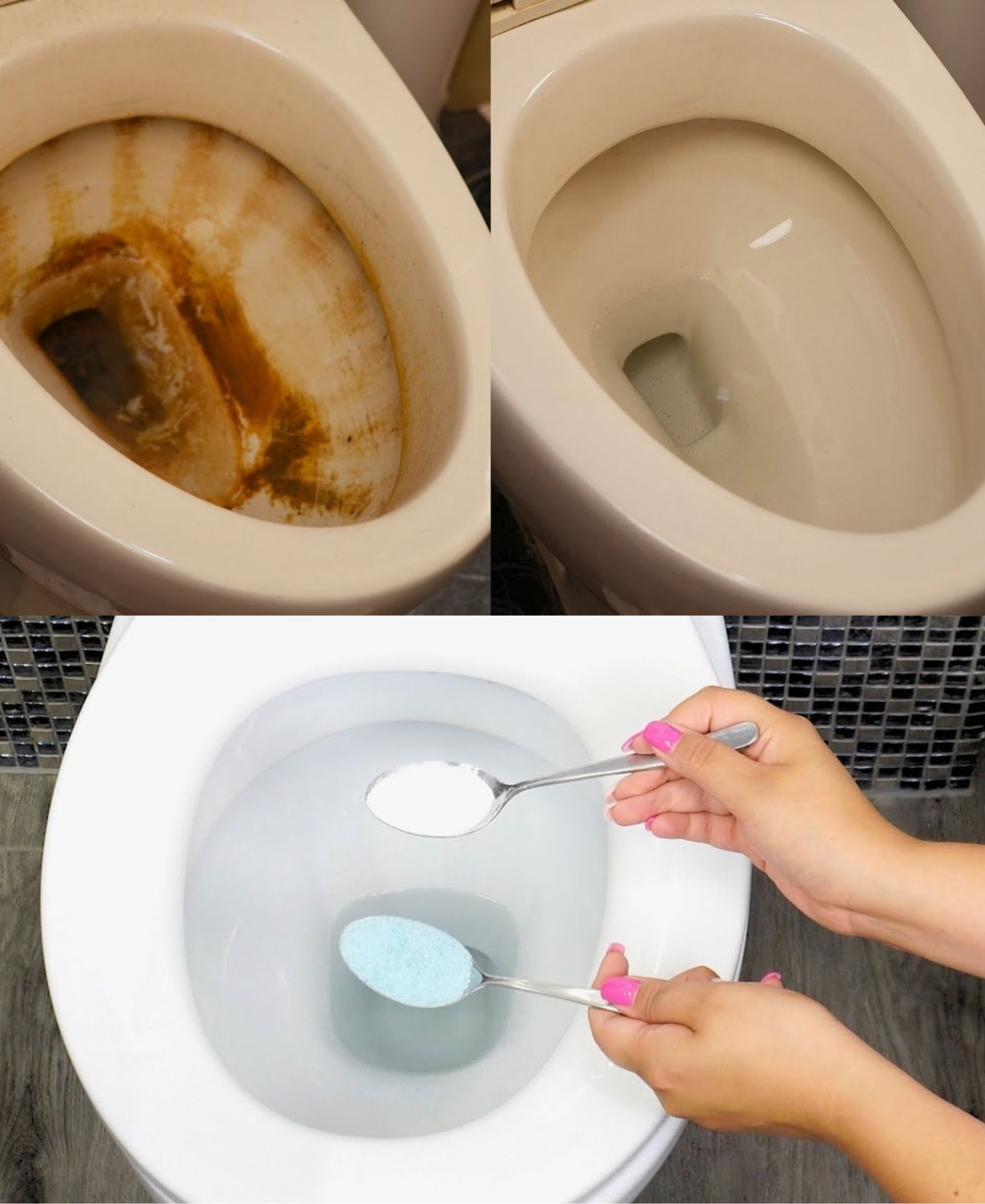
White vinegar is a versatile, cost-effective solution for combating limescale deposits in the bathroom, particularly on toilets, shower glass, and tiles. Understanding how and where to apply it safely prevents damage to sensitive surfaces and helps maintain your bathroom’s appearance and function over time. Regular cleaning with vinegar saves money by avoiding costly repairs and replacements caused by untreated mineral buildup.






