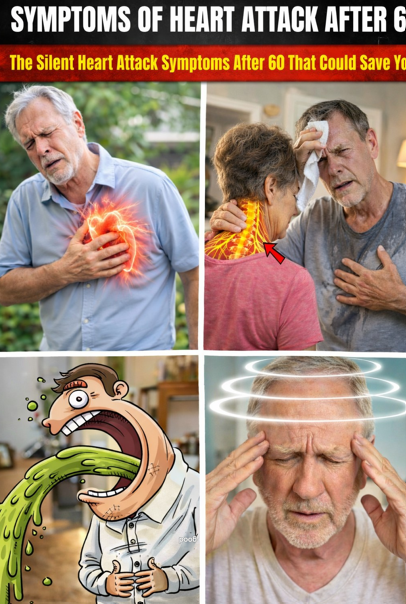
1. Unexplained fatigue or weakness
Feeling unusually tired or weak without a clear reason can be an early sign of a heart problem in adults over 60. This fatigue is different from normal tiredness after physical activity or a poor night’s sleep. Instead, it may persist despite rest and can interfere with daily activities like walking, cooking, or even dressing.
Why does this happen? When the heart muscle isn’t receiving enough oxygen-rich blood due to blocked arteries, your body compensates by working harder. This inefficiency can leave you feeling drained. Particularly in older adults, this symptom may be subtle and easy to attribute to aging or other chronic conditions.
- Fatigue that worsens over days or weeks
- Weakness affecting one side of the body or general muscle weakness
- Inability to perform tasks you once managed easily
If you notice unexplained fatigue that lasts more than a few days and is new or worsening, it’s important to mention this to your healthcare provider. They may recommend tests such as an ECG (electrocardiogram) or a stress test to evaluate your heart function.
2. Shortness of breath during daily activities
Shortness of breath (dyspnea) when doing routine tasks like walking to the mailbox, climbing a few stairs, or even dressing can be an overlooked symptom of heart disease after 60. It occurs because the heart is less able to pump blood efficiently, causing fluid to back up into the lungs or limiting oxygen delivery to the body.
This symptom is distinct from breathlessness due to lung conditions or obesity because it appears suddenly or worsens without a clear respiratory cause. Older adults may dismiss this as normal aging or being out of shape, but persistent shortness of breath should be evaluated.
- Breathlessness that starts gradually and becomes more noticeable over time
- Difficulty catching your breath even when resting or lying down
- Waking up suddenly at night gasping for air
If you experience new or worsening shortness of breath, especially if combined with fatigue or swelling in your legs, seek medical advice promptly. Your doctor might order echocardiography or chest X-rays to assess heart and lung health.






