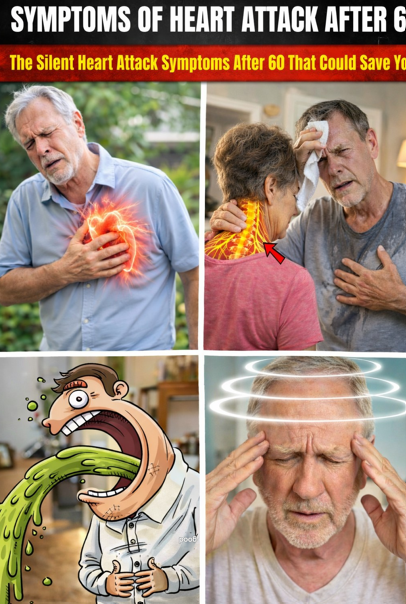
If you experience sudden severe chest pain, intense shortness of breath, or fainting, seek emergency medical help immediately.
Why Recognizing Heart Attack Symptoms After 60 Requires a Different Approach
Heart attack symptoms in people over 60 often present differently than the dramatic chest pain most associate with heart attacks. This difference is crucial because many older adults, especially women, experience what medical professionals call “atypical” or silent symptoms. These subtle signs can be mistaken for normal aging or other common health issues, delaying critical treatment.
As we age, changes in the nervous system and the presence of chronic conditions such as diabetes or arthritis can alter how pain and discomfort are perceived. What might seem like mild fatigue or an unusual ache could actually indicate reduced blood flow to the heart.
Distinguishing Heart-Related Symptoms From Normal Aging
It’s common to attribute tiredness or minor aches to getting older, but there are key differences to note. For example, occasional tiredness after activity is normal, but persistent extreme fatigue that doesn’t improve with rest is a warning sign. Similarly, mild joint discomfort is expected, but new or changing pain in areas like the jaw or neck may point to heart issues.
Shortness of breath during exercise is typical for many older adults, but breathlessness during simple daily tasks signals a potential problem. Likewise, occasional indigestion after meals is common, while nausea unrelated to food intake should raise concern.
Check Your Medicine Cabinet and Daily Habits
Medications and lifestyle habits can mask or mimic heart attack symptoms. Blood pressure medications, diabetes treatments, or arthritis drugs might influence how symptoms appear. Keeping track of any new medications or changes in dosage is important when discussing symptoms with your healthcare provider.
Additionally, the habit of pushing through fatigue or discomfort as “just part of aging” can prevent timely recognition of heart problems. Developing a daily routine of noting how your body feels can help catch subtle changes early.
When to Seek Medical Advice
If you notice multiple subtle symptoms appearing together or worsening over days or weeks, it’s essential to consult your doctor promptly. Sudden intensification or the onset of severe symptoms like prolonged chest discomfort, severe breathlessness, or fainting requires immediate emergency care.
Taking these steps seriously can save lives by ensuring early diagnosis and treatment of heart conditions.
Here are the 10 most common symptoms. Number 7 is the one most people don’t expect — and it has nothing to do with pain.






