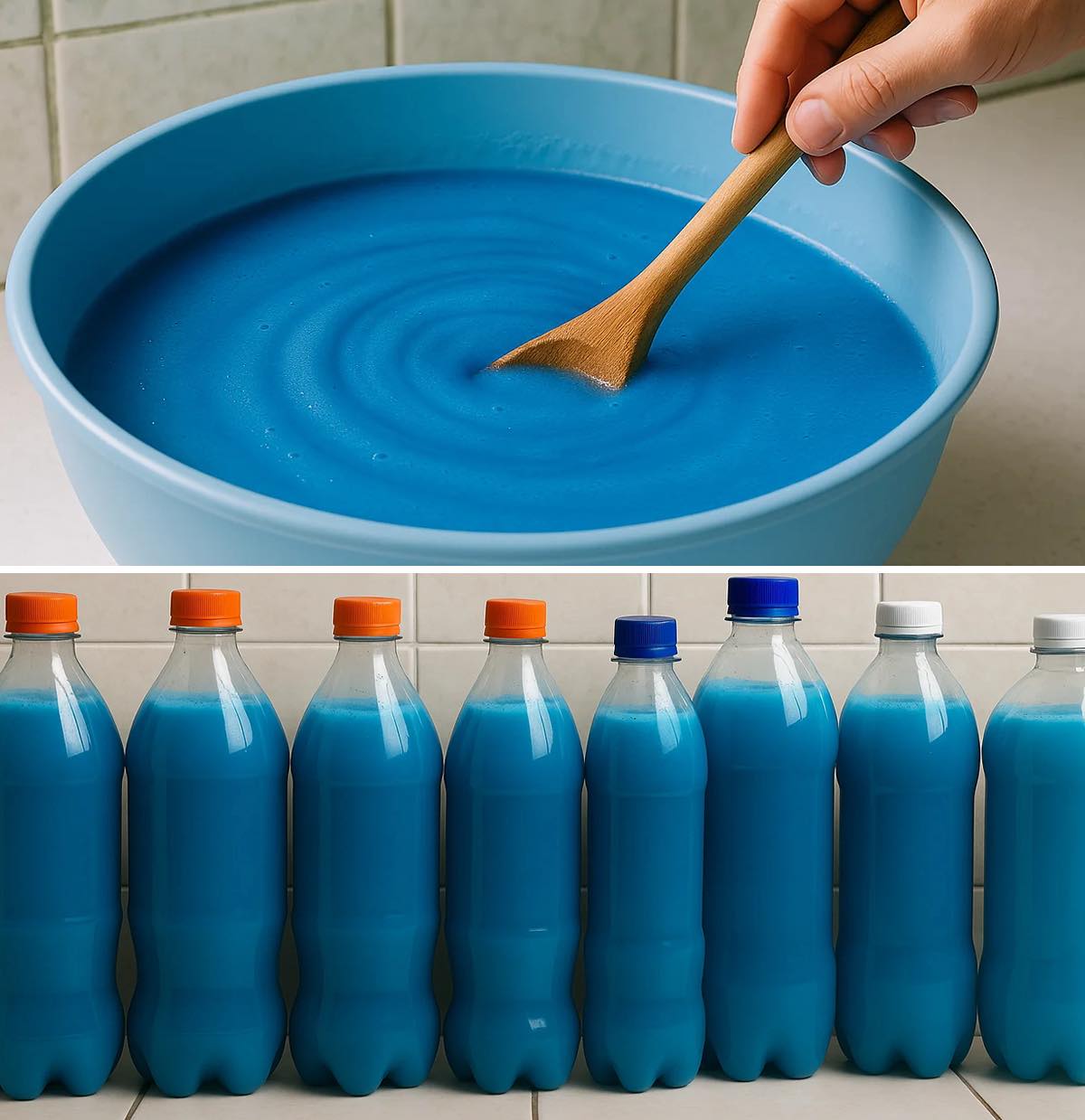
Safety considerations
While natural fabric softeners avoid many harmful chemicals, some precautions are necessary. Vinegar’s acidity can weaken certain delicate fibers and cause color fading if used excessively or undiluted. Always test the softener on a small, inconspicuous fabric area before full application.
Excessive use of baking soda or undissolved particles can lead to residue buildup inside washing machines, potentially affecting their performance over time. Ensure all powders are fully dissolved, and use recommended amounts to avoid machine wear.
Keep the prepared softener out of reach of children and pets, and avoid contact with eyes. If skin irritation occurs, rinse thoroughly with water and discontinue use.
Benefits over commercial softeners
Natural fabric softeners offer significant advantages compared to commercial ones. They eliminate exposure to synthetic fragrances, preservatives, and other chemicals linked to skin allergies and respiratory issues. For those with sensitive skin or asthma, this is a considerable benefit.
Furthermore, this homemade softener is environmentally friendly, biodegradable, and cost-effective. It reduces plastic waste from commercial packaging, and the ingredients are safe for septic systems and water treatment plants when used appropriately.
In addition, natural softeners avoid the buildup of chemical residues on clothes that can diminish fabric lifespan or cause stiffness over time.
What to avoid
Avoid using undiluted vinegar directly on delicate fabrics like silk, wool, or leather, as it can cause fiber weakening and color loss. Never mix baking soda and vinegar in the washing machine simultaneously; the fizzing reaction neutralizes their effectiveness and may leave residue.
Do not combine this natural softener with bleach or strong alkaline detergents, as chemical reactions can generate harmful byproducts and reduce cleaning power.
Handling it safely
When preparing the solution, wear gloves to protect your skin from prolonged vinegar exposure, which can cause irritation. Work in a well-ventilated area to avoid inhaling strong vinegar fumes. Ensure containers are tightly sealed and stored away from children and pets.
If the solution splashes into your eyes, rinse immediately with plenty of water. Wash hands thoroughly after mixing and before handling laundry.
When professional help is needed
If your fabrics have stubborn stiffness or residue that doesn’t respond to natural softeners, professional textile cleaning services may be necessary. These services typically cost between $10 and $30 per garment depending on fabric type and treatment required.
Additionally, if your washing machine shows signs of residue buildup or corrosion, have it inspected by a technician to avoid costly repairs or premature replacement.
Conclusion
Using a homemade natural fabric softener made from baking soda, white vinegar, sea salt, and essential oils provides an effective, safe, and economical alternative to chemical-laden commercial products. It softens fabrics, freshens laundry with gentle fragrances, and reduces exposure to allergens and toxins.
By following the recommended preparation steps and usage guidelines, you can protect your clothing, skin, and washing machine while supporting a healthier home and environment.






