If you experience severe vomiting, diarrhea, or abdominal pain after eating rice, seek medical attention promptly.
The Hidden Food Poisoning Risk in Cooked Rice Stored in Your Fridge
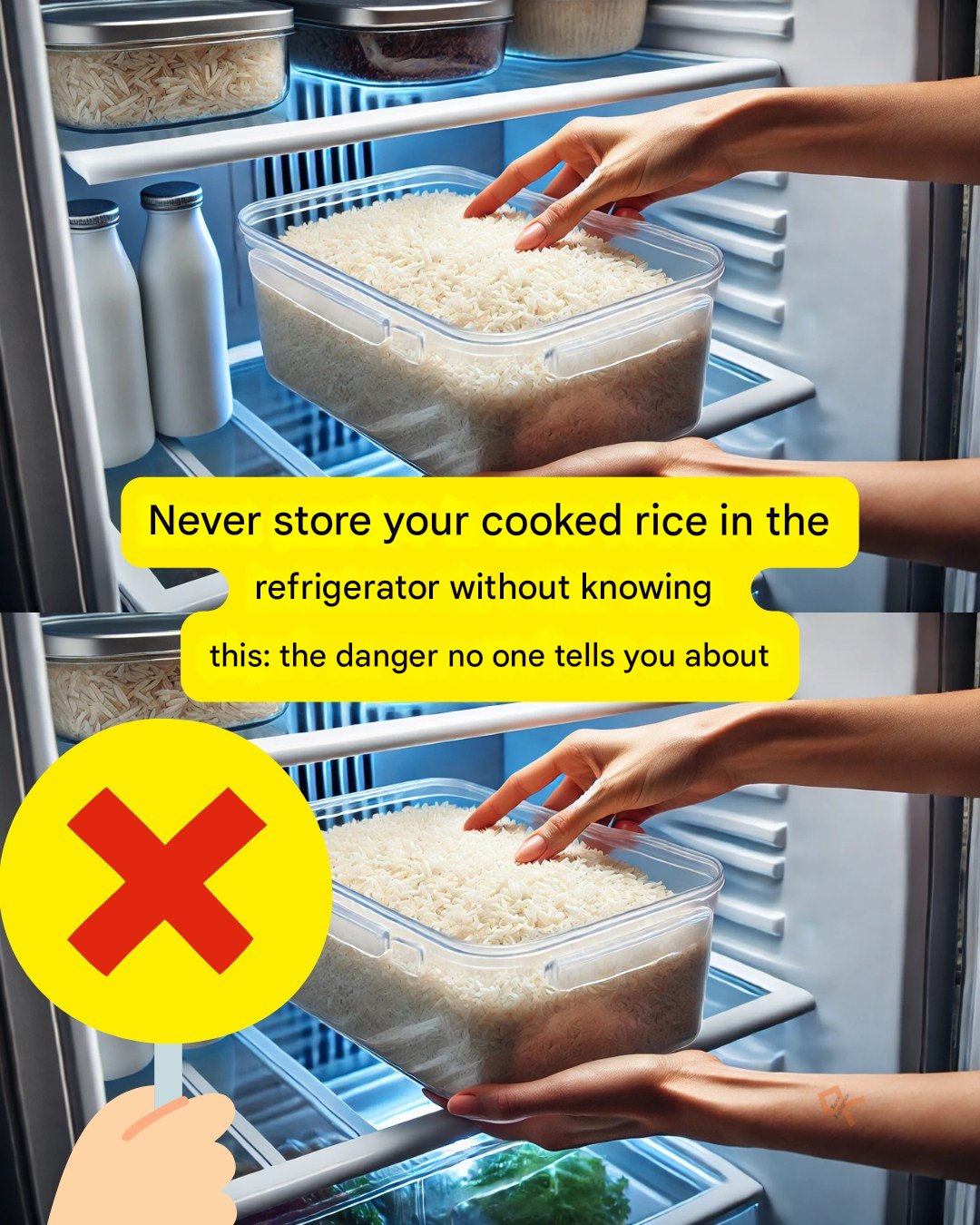
Cooked rice is a staple food worldwide, but it carries a hidden health hazard when stored incorrectly. The primary concern is contamination by Bacillus cereus, a bacterium whose spores can survive cooking temperatures and activate if rice is left at room temperature too long. This bacterium produces toxins that cause food poisoning symptoms such as nausea, vomiting, abdominal cramps, and diarrhea.
Why Timing and Temperature Matter More Than You Think
The critical factor is the time cooked rice spends cooling before refrigeration. If rice remains out for more than two hours, Bacillus cereus spores can germinate and multiply, releasing heat-resistant toxins. Even reheating the rice won’t neutralize these toxins, so the risk persists despite warming.
Assessing Your Storage Practices
To minimize risk, start by asking: how quickly do you cool and refrigerate your rice after cooking? The safest approach is to cool rice within 30 to 60 minutes to room temperature, then transfer it to airtight containers and refrigerate at 4°C or below. Storing rice longer than 24 to 48 hours increases the chance of bacterial growth and toxin formation.
Check Your Kitchen Supplies
Ensure you have airtight containers that seal properly to prevent moisture and airborne contaminants from accelerating spoilage. Also, use a food thermometer to verify reheated rice reaches at least 75°C internally, which helps limit bacterial growth but does not destroy preformed toxins.
Freezing as a Safer Alternative for Longer Storage
If you don’t plan to eat cooked rice within two days, freezing is advisable. Freeze cooled rice in freezer-safe containers or bags, label with the date, and thaw only in the refrigerator or microwave. Avoid thawing at room temperature, which allows bacteria to multiply rapidly.
Here are the 5 critical factors for safely storing cooked rice. Number 3 is the one most people overlook — and it can lead to serious food poisoning.






