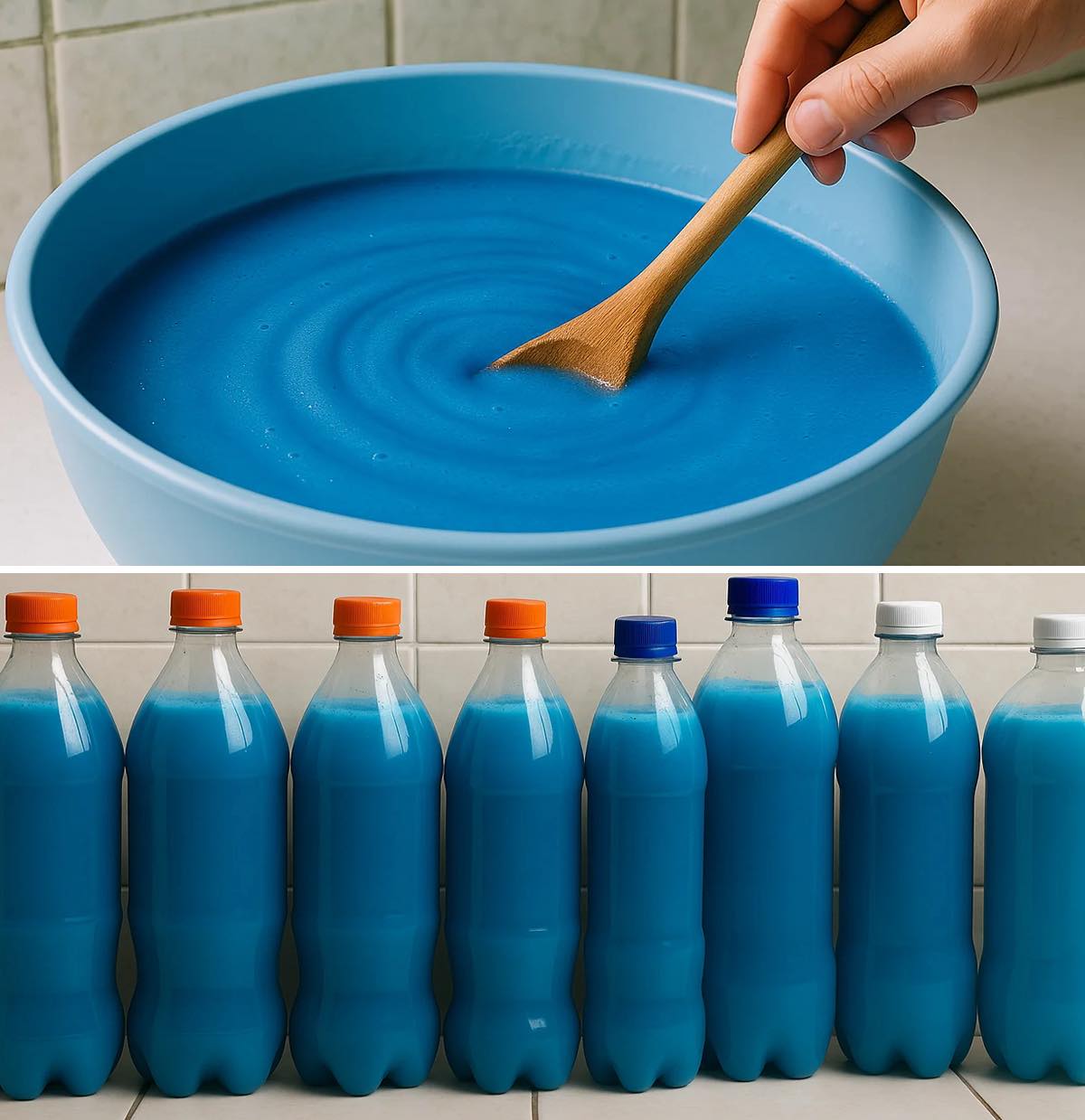
Deciding Between Chemical and Natural Fabric Softeners: What You Need to Know
When selecting a fabric softener, the key decision is whether to use commercial products or a natural alternative. Commercial fabric softeners typically contain synthetic chemicals such as quaternary ammonium compounds and fragrances that may cause skin irritation or respiratory issues like rhinitis. Since clothes remain in close contact with our skin for extended periods, these chemicals can pose real health risks, especially for those with sensitive skin or allergies.
Choosing a natural fabric softener can help you avoid these risks while still maintaining fabric softness and a pleasant scent. However, it’s important to know how to distinguish situations where a natural softener will be effective versus when fabric damage or wear is the cause of fabric stiffness, which requires different care or repair.
How to Tell if Your Clothes Need Softening or Repair
If your clothes feel rough or stiff after washing, first determine whether this is due to residue buildup or actual fabric damage:
- Residue buildup often results from detergent overuse or hard water minerals. This can usually be resolved with a fabric softener or vinegar rinse.
- Fabric wear or damage shows as thinning, pilling, or tears, which fabric softeners cannot fix and may require patching or replacement. Repair costs vary widely, from minor mending at home to professional tailoring fees running $20 to $50 per garment.
Recognizing this difference is crucial, as applying fabric softener to damaged fabric won’t restore softness and may mask signs of wear until the garment becomes unusable.
Cost Implications of Commercial vs. Natural Fabric Softeners
Commercial fabric softeners typically cost between $5 and $15 per bottle, with ongoing expenses depending on laundry frequency. Beyond cost, potential skin or respiratory reactions can lead to medical visits or treatments, further increasing expenses.
Natural fabric softeners, crafted from simple, inexpensive ingredients like white vinegar, baking soda, and essential oils, offer a zero-chemical alternative. A bottle of white vinegar costs around $3 and baking soda about $1-2 for a large box, making homemade softener batches highly economical.
The challenge is ensuring the mixture is effective at softening without damaging fabrics, as vinegar’s acidity can harm delicate fibers if misused. Therefore, understanding the correct proportions and application method is essential.
Materials and Surfaces Affected
Natural softeners are generally safe for cotton, linen, polyester, and blends but should be used cautiously on silk, wool, or other delicate fabrics that can be damaged by acidity or abrasives. Commercial softeners may contain ingredients designed for delicate fibers but carry the risks mentioned earlier.
Washing machines themselves are not adversely affected by these natural ingredients when used in proper amounts. However, adding undissolved baking soda or excessive vinegar can cause residue buildup or corrosion in the long term.
Before switching to a natural fabric softener, test it on a small fabric area and monitor for any changes in texture or color.
Making the switch to a natural fabric softener can reduce chemical exposure and save money, but the key is understanding fabric condition and ingredient effects to avoid unintended damage.
The full method is on the next page — including the step most people skip, which is why their clothes never feel truly soft.






