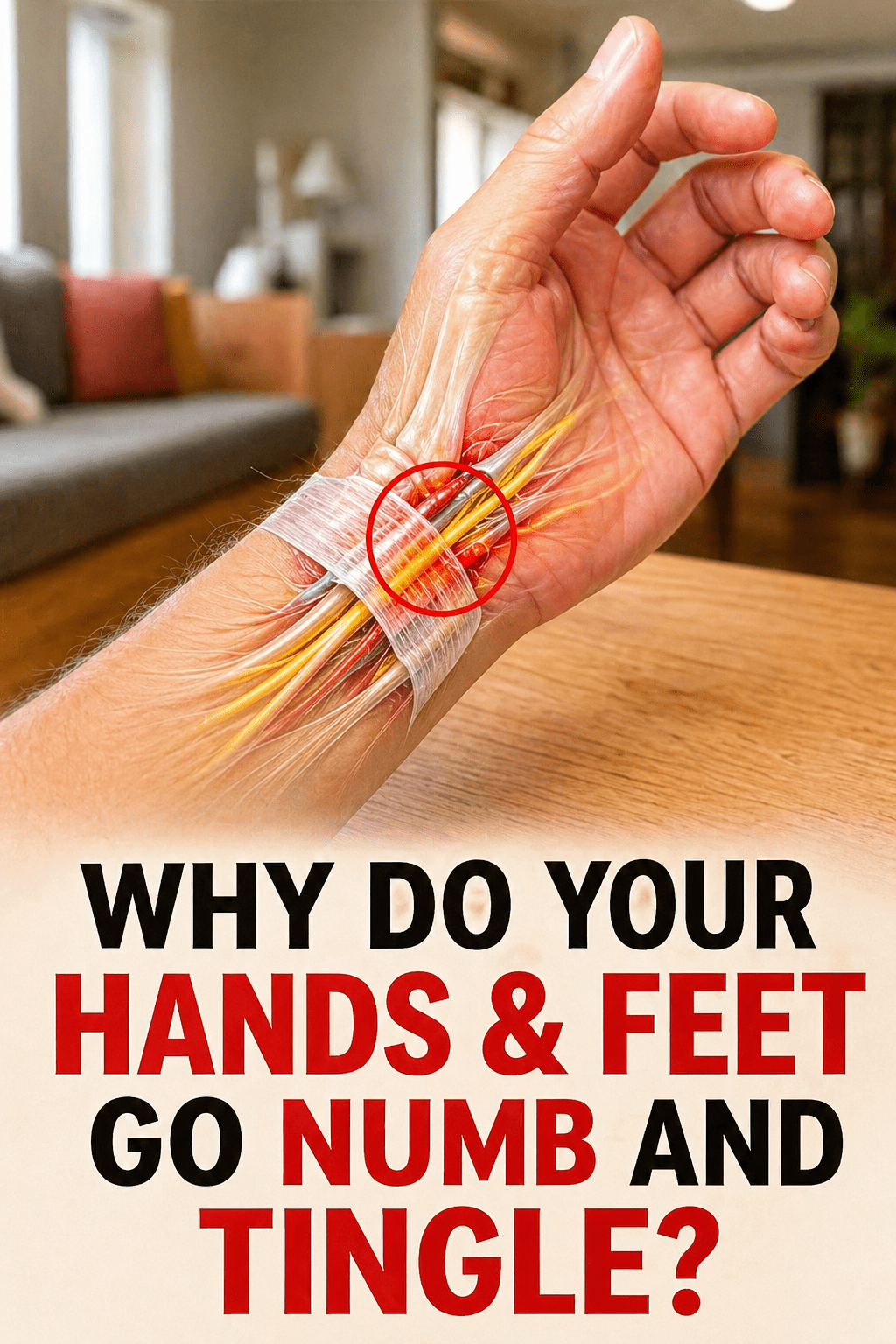
3. Poor circulation
Poor circulation can contribute to numbness and tingling in your hands and feet by limiting the blood flow that nerves require for optimal function. Conditions such as peripheral artery disease, diabetes, or even sitting or standing in one position for too long can reduce circulation.
When blood flow is limited, nerves receive less oxygen and nutrients, leading to sensations of pins and needles or numbness. This is often more pronounced in the extremities, where circulation is naturally more vulnerable.
Improving circulation can help alleviate these symptoms. Strategies include regular physical activity, avoiding prolonged immobility, staying hydrated, and managing underlying health conditions like diabetes or cardiovascular disease.
4. Vitamin deficiencies
Deficiencies in certain vitamins, particularly vitamin B12, can lead to nerve damage and peripheral neuropathy, which manifests as numbness, tingling, or burning sensations in the hands and feet. Vitamin B12 is essential for maintaining healthy nerve function and myelin sheath integrity.
Other vitamins such as B6 and vitamin E also play roles in nerve health, though their deficiency is less common. If you experience persistent numbness without an obvious cause, a healthcare provider might recommend blood tests to check for nutritional deficiencies.
Addressing vitamin deficiencies typically involves dietary changes or supplementation under medical supervision to restore adequate levels and support nerve repair.
5. Carpal tunnel syndrome
Carpal tunnel syndrome (CTS) is a common condition caused by compression of the median nerve as it passes through the carpal tunnel in the wrist. This narrow passageway can become inflamed or narrowed due to repetitive movements, injury, or fluid retention, leading to tingling, numbness, and weakness in the thumb, index, middle, and part of the ring fingers.
CTS symptoms often worsen at night or with activities requiring gripping. Early diagnosis is important as untreated CTS can lead to permanent nerve damage. Diagnosis is usually clinical but can be confirmed with nerve conduction studies.
Treatment options include:
- Wrist splinting, especially during sleep to keep the wrist neutral
- Activity modifications to reduce repetitive strain
- Nonsteroidal anti-inflammatory drugs (NSAIDs) for symptom relief
- Physical therapy focusing on nerve gliding exercises
- In severe or persistent cases, surgical release of the carpal tunnel






