6. Fluid retention
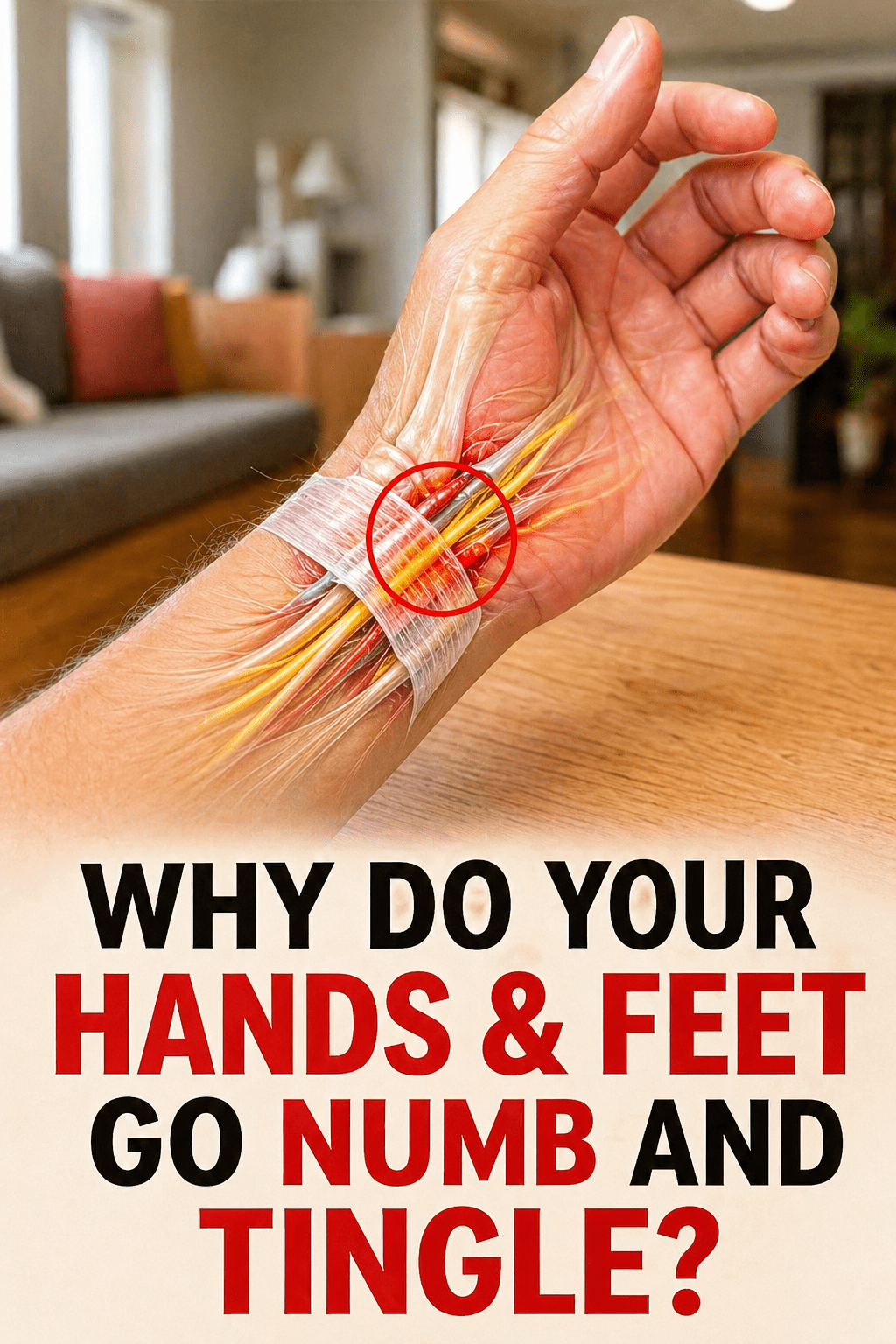
Fluid retention, or edema, can increase pressure within confined spaces like the carpal tunnel, aggravating nerve compression. This often occurs during pregnancy, with certain medications, or due to underlying medical conditions such as kidney or heart problems.
When fluid accumulates in the tissues around nerves, it reduces the available space and can trigger or worsen symptoms like numbness and tingling, especially at night when fluid shifts occur.
Managing fluid retention typically involves addressing the underlying cause, reducing salt intake, elevating limbs, and, in some cases, using diuretics as prescribed by a healthcare provider.
7. Posture and ergonomics
Poor posture and improper ergonomics during daily activities can contribute significantly to nerve compression and repetitive strain. For example, prolonged wrist flexion while typing or incorrect height of a workstation can increase pressure on the median nerve or compress nerves in the neck and shoulders.
Adopting ergonomic principles helps reduce strain and prevent symptoms. Key considerations include:
- Keeping wrists in a neutral position while using keyboards and mice
- Adjusting chair height so feet rest flat and elbows are at 90 degrees
- Using ergonomic tools such as split keyboards or cushioned mouse pads
- Maintaining good posture with back support and avoiding slouching
- Taking frequent breaks to stretch and reposition
8. Underlying medical conditions
Several medical conditions can cause persistent numbness or tingling in the hands and feet due to nerve damage or impaired blood flow. These include:
- Diabetes mellitus: High blood sugar can damage peripheral nerves, leading to diabetic neuropathy.
- Multiple sclerosis (MS): An autoimmune disease affecting nerve conduction.
- Thyroid disorders: Hypothyroidism can cause peripheral neuropathy.
- Autoimmune diseases: Conditions like rheumatoid arthritis or lupus may involve nerve inflammation.
- Neuropathies caused by infections or toxins.
Identifying and managing these conditions with your healthcare provider is crucial in preventing progression and improving symptoms.






