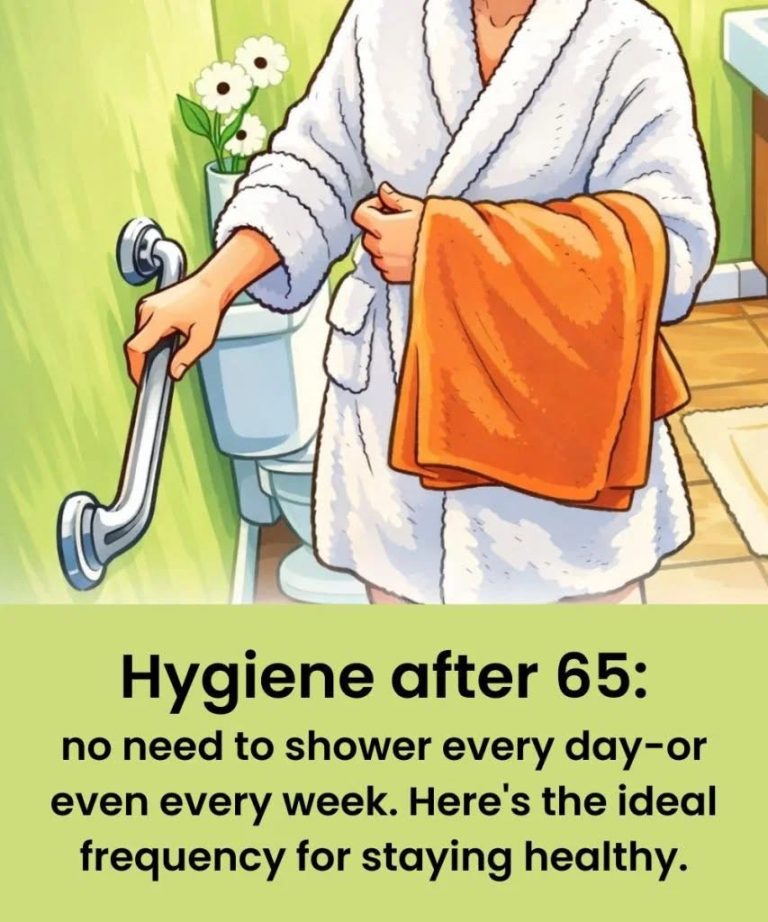
1. Reduced shower frequency
For adults over the age of 65, showering every day is generally unnecessary and can contribute to skin problems such as dryness, irritation, and increased sensitivity. Most dermatologists recommend limiting showers to two or three times per week, unless there are specific reasons like heavy sweating, incontinence, or certain medical conditions that require more frequent washing.
On days without a full shower, maintaining hygiene through targeted cleansing can be effective and less damaging. This includes washing the face, hands, underarms, and groin with a warm, damp washcloth. Regularly changing clothes also helps maintain cleanliness without stripping the skin’s natural oils.
- Washing key areas (face, hands, underarms, groin) with a damp cloth
- Changing clothes daily or as needed
- Using gentle cleansing methods instead of full showers
This approach helps preserve the skin’s barrier function, reducing the risk of dryness, itching, and irritation that can come from over-washing.
2. Impact of hot water
Hot water may feel soothing, but it can rapidly dry out aging skin by removing essential oils that keep the skin hydrated and protected. For seniors, using lukewarm water during showers is far gentler and better for maintaining skin moisture.
In addition to water temperature, the choice of soap or cleanser plays a crucial role. Harsh soaps with strong fragrances or antibacterial agents can strip away natural oils, exacerbating dryness and sensitivity. Using mild, fragrance-free, soap substitutes or cleansers designed for sensitive skin is advisable.
Immediately applying a moisturizer while the skin is still slightly damp after a shower can lock in hydration and further protect against dryness. This simple habit supports skin health and comfort for older adults.






