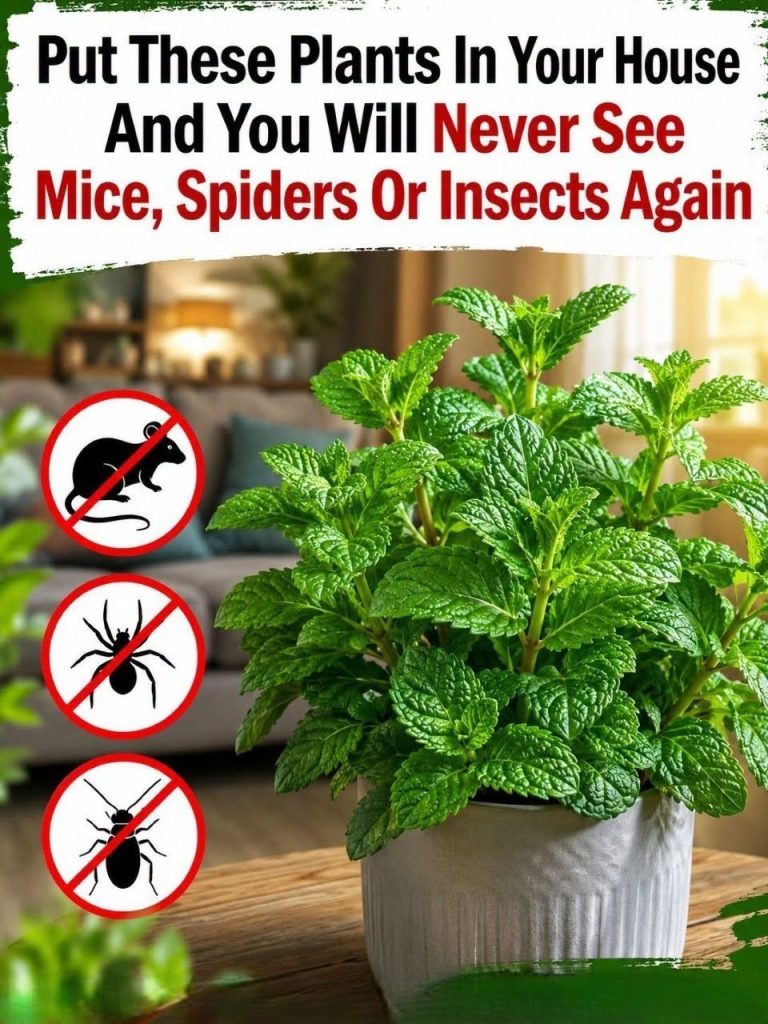
When addressing pest control around your home, the key question is whether you are facing a simple nuisance or a problem that could cause more significant damage and costly repairs. Mice infestations, mosquito breeding grounds, and spider webs are not just annoyances; they can lead to health risks and structural damage if left unchecked. Professional pest control services for rodents or mosquitoes often run between $150 and $400 per treatment, depending on the severity and area covered. Preventing infestations with plants is a natural strategy, but it requires understanding which plants actually deter pests and how their placement and care affect their effectiveness.
First, identify the type of pest problem you have. Are you noticing signs of mice, such as droppings or chewed materials? Are mosquitoes congregating in standing water around your property? Or are spiders frequenting entryways and corners? Each pest requires a different approach, and not all plants that smell pleasant will repel all pests.
For example, mosquitoes breed in stagnant water, so simply planting certain herbs without managing water collection around pots can worsen the problem. Ensuring that plant containers have proper drainage and regularly emptying saucers or nearby water-holding items is essential. This maintenance step significantly reduces mosquito breeding sites and is often overlooked in casual gardening advice.
Rodents such as mice are often discouraged by strong scents, but the effectiveness depends on the plant species and the density of planting. Some herbs like basil and rosemary can contribute to creating an environment less inviting to mice and spiders when placed strategically near entry points or outdoor seating areas. However, overreliance on plants alone for pest control is risky; if an infestation is established, professional intervention is usually necessary.
Another important consideration is the risk of damaging plants or surfaces while attempting pest control. For instance, placing plants that require well-drained soil in containers that retain water can lead to root rot, making your pest-deterent effort counterproductive. Similarly, some plants can grow aggressively, such as mint, which should be confined to its own pot to prevent it from overtaking other plants and creating maintenance challenges.
Cost-wise, investing in a few well-chosen pest-repellent plants is relatively low compared to pest control services or repairs caused by untreated infestations. A single healthy herb plant typically costs between $5 and $20, but the true value lies in proper placement, care, and integrated pest management practices.
In summary, to effectively reduce pests like mice, mosquitoes, and spiders around your home using plants, start by accurately diagnosing the pest issue. Then, select plants known to deter those specific pests and combine planting with regular maintenance to eliminate breeding grounds or hiding spots. This approach helps protect your home from damage and reduces the need for costly pest control treatments.
Here are the 8 plants that can help reduce common pests around your home—one stands out as especially effective when combined with proper maintenance.