3. Gender
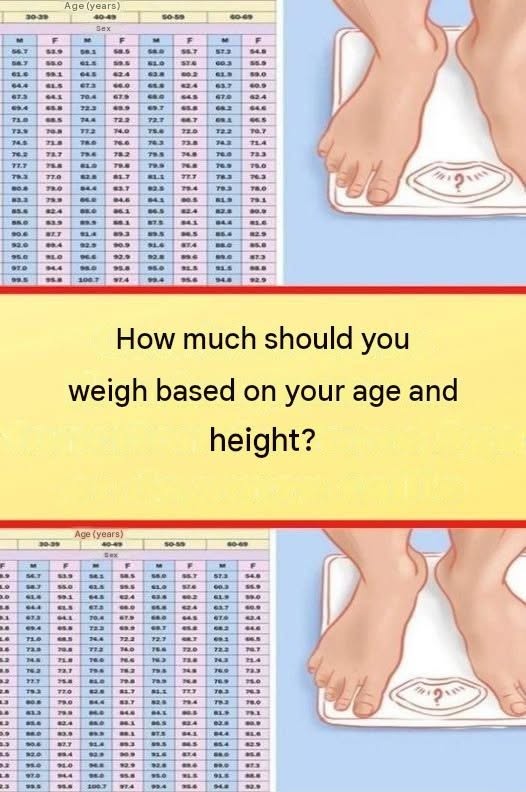
Gender plays a significant role in determining ideal body weight due to inherent differences in body composition between men and women. Men generally have more muscle mass and denser bones, while women naturally carry a higher percentage of body fat, which is essential for reproductive health and hormone regulation.
These physiological differences mean that healthy weight ranges are not the same for men and women of the same height. Weight standards and clinical guidelines often adjust for gender when assessing ideal weight or health risk.
- Men’s higher muscle mass increases their weight relative to women at the same height.
- Women’s higher body fat percentage is normal and important for overall health.
4. Muscle Mass
Muscle mass significantly impacts what is considered an ideal weight because muscle tissue is denser and heavier than fat tissue. For example, athletes or individuals engaged in regular strength training may weigh more than average but have a lower body fat percentage, making their weight healthy despite what standard charts might suggest.
Because of this, relying solely on weight or BMI can be misleading. Body composition assessments, such as bioelectrical impedance analysis or dual-energy X-ray absorptiometry (DEXA) scans, provide a clearer picture of muscle versus fat mass, helping to define a more accurate ideal weight.
Maintaining or increasing muscle mass with age is important to support metabolic health and reduce risks associated with sarcopenia (age-related muscle loss).