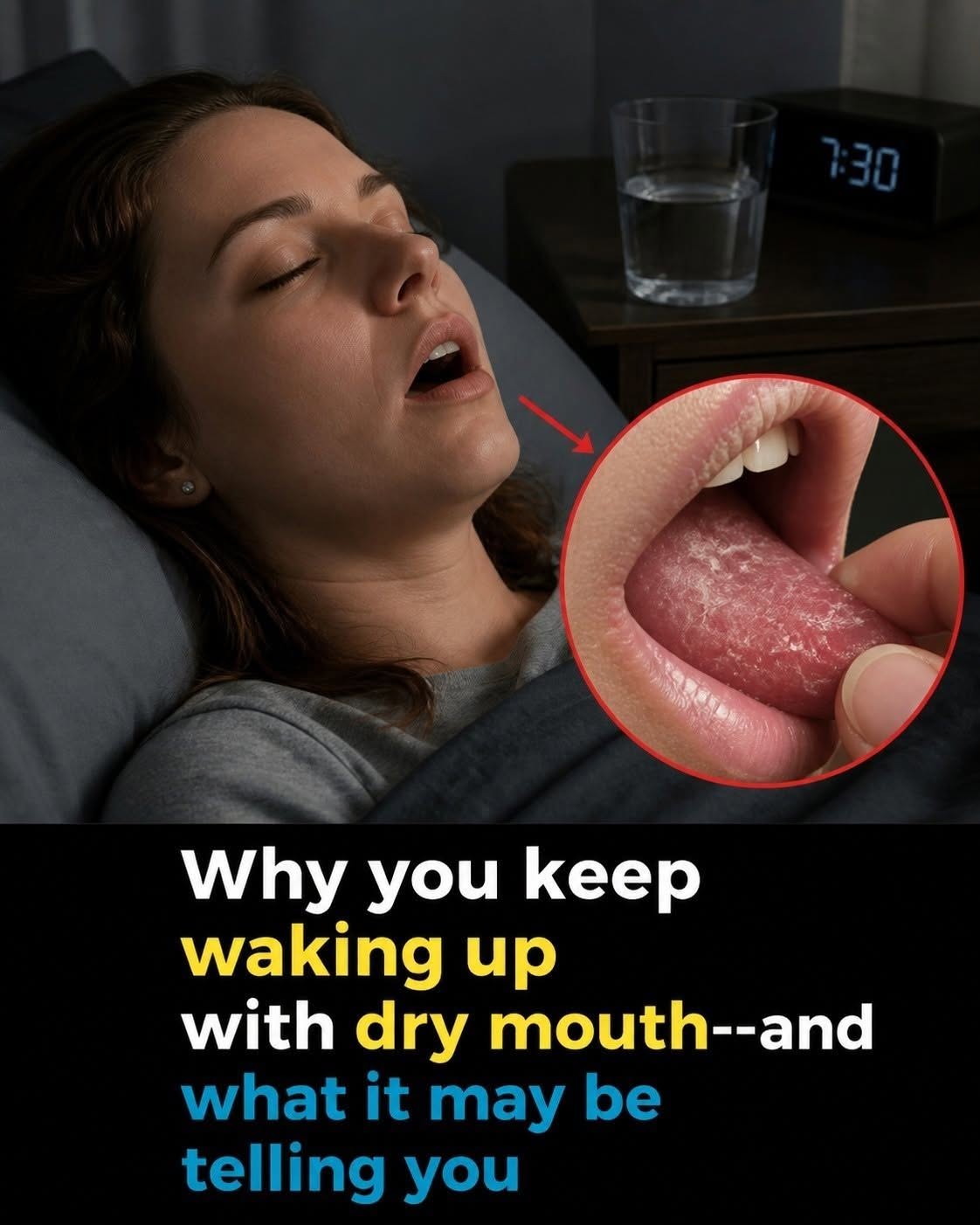
1. Dehydration
One of the most common causes of waking up with dry mouth is dehydration. When your body lacks adequate fluids, saliva production decreases, leading to that uncomfortable dry sensation. This can happen if you do not drink enough water throughout the day or if you lose fluids through sweating, illness, or alcohol consumption before bedtime.
Dehydration reduces the moisture in your mouth, making it harder to speak, swallow, or even sleep comfortably. To prevent this, ensure you hydrate consistently, especially in the hours leading up to sleep. However, avoid excessive fluid intake right before bed to reduce nighttime awakenings for bathroom visits.
- Drink an adequate amount of water daily, generally around 2 to 3 liters depending on your activity level and climate.
- Limit beverages that can dehydrate, such as alcohol and caffeinated drinks, in the evening.
- Consider using a bedside water glass to sip if you wake up thirsty during the night.
2. Mouth Breathing
Mouth breathing during sleep is another frequent culprit behind waking with dry mouth. When breathing through the mouth instead of the nose, saliva evaporates more quickly, leaving the mouth dry. This habit can be due to nasal congestion, allergies, or anatomical issues like a deviated septum.
People with sleep apnea or snoring problems often breathe through their mouths at night, compounding dryness. Mouth breathing can also cause sore throats, bad breath, and a higher risk of dental problems due to reduced saliva’s protective effects.
- Address nasal congestion with saline sprays or allergy treatments as advised by a healthcare provider.
- Use a humidifier in your bedroom to maintain moisture in the air during sleep.
- Consider consulting an ear, nose, and throat (ENT) specialist to evaluate structural causes of mouth breathing.