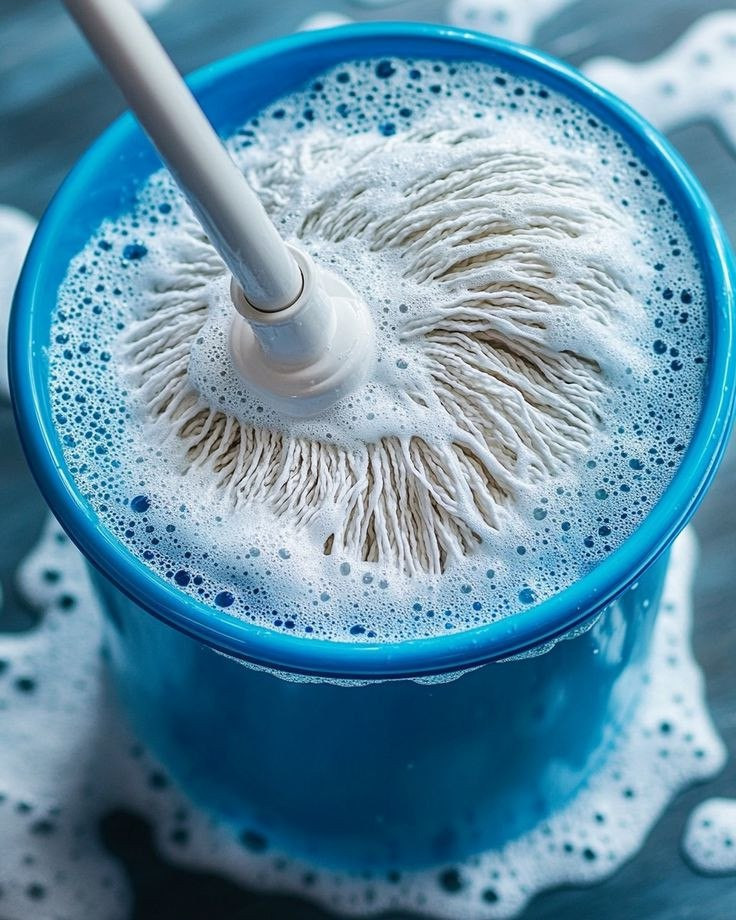
Understanding the Importance of Hygienic Cleaning Tools
Maintaining cleanliness in the home or workplace requires not only regular mopping but also ensuring that cleaning tools like mops and buckets themselves are free from bacteria, dirt, and odors. Dirty mops can harbor harmful microorganisms, which may undermine the cleaning effort and contribute to unpleasant smells or even surface contamination.
Many people overlook how quickly bacteria and grime accumulate in these cleaning aids. This buildup can be subtle and go unnoticed, but it significantly affects hygiene. Regularly disinfecting your mop and bucket is essential to prevent the spread of germs and maintain a truly clean environment.
What Vinegar Can and Cannot Do
Vinegar is widely recognized for its antibacterial properties and affordability, making it a popular choice for cleaning mops and buckets. It works by reducing many common microorganisms and breaking down dirt and odors, contributing to fresher cleaning tools. However, vinegar is not a sterilizing agent and does not eliminate all pathogens, especially in heavily soiled situations.
In cases where sterilization is necessary—for example, after cleaning up biohazards or in healthcare settings—specialized disinfectants approved for that purpose should be used. Vinegar serves best as a natural, routine cleaning agent rather than a medical-grade sanitizer.
Testing and Measuring Cleanliness
While there is no simple home test to assess bacterial levels on cleaning tools, the presence of foul odors or visible dirt can be indicators of insufficient cleaning. For formal assessment, microbiological surface testing is done in professional contexts, but for everyday purposes, regular cleaning and drying are effective preventive measures.
Precautions and Compatibility
Vinegar is generally safe for most mop fibers and plastic buckets. However, it should be avoided on metal parts prone to corrosion, as the acidity can cause damage over time. Users with allergies or sensitivities should also be cautious about adding essential oils to the cleaning solution, as these can sometimes cause irritation or interact with medications.
People with respiratory conditions should ensure good ventilation when using vinegar and essential oils to prevent discomfort from strong odors.
Summary
Cleaning mops and buckets regularly with an effective solution is key to maintaining hygiene and preventing odor. Vinegar offers a natural, inexpensive option with antibacterial qualities, though it is important to understand its limitations and use it correctly. Proper rinsing and drying are vital steps to avoid mold growth and damage to cleaning tools.
Here are the 5 key ways vinegar can transform your mop and bucket cleaning routine, including one method that significantly boosts its cleaning power.






