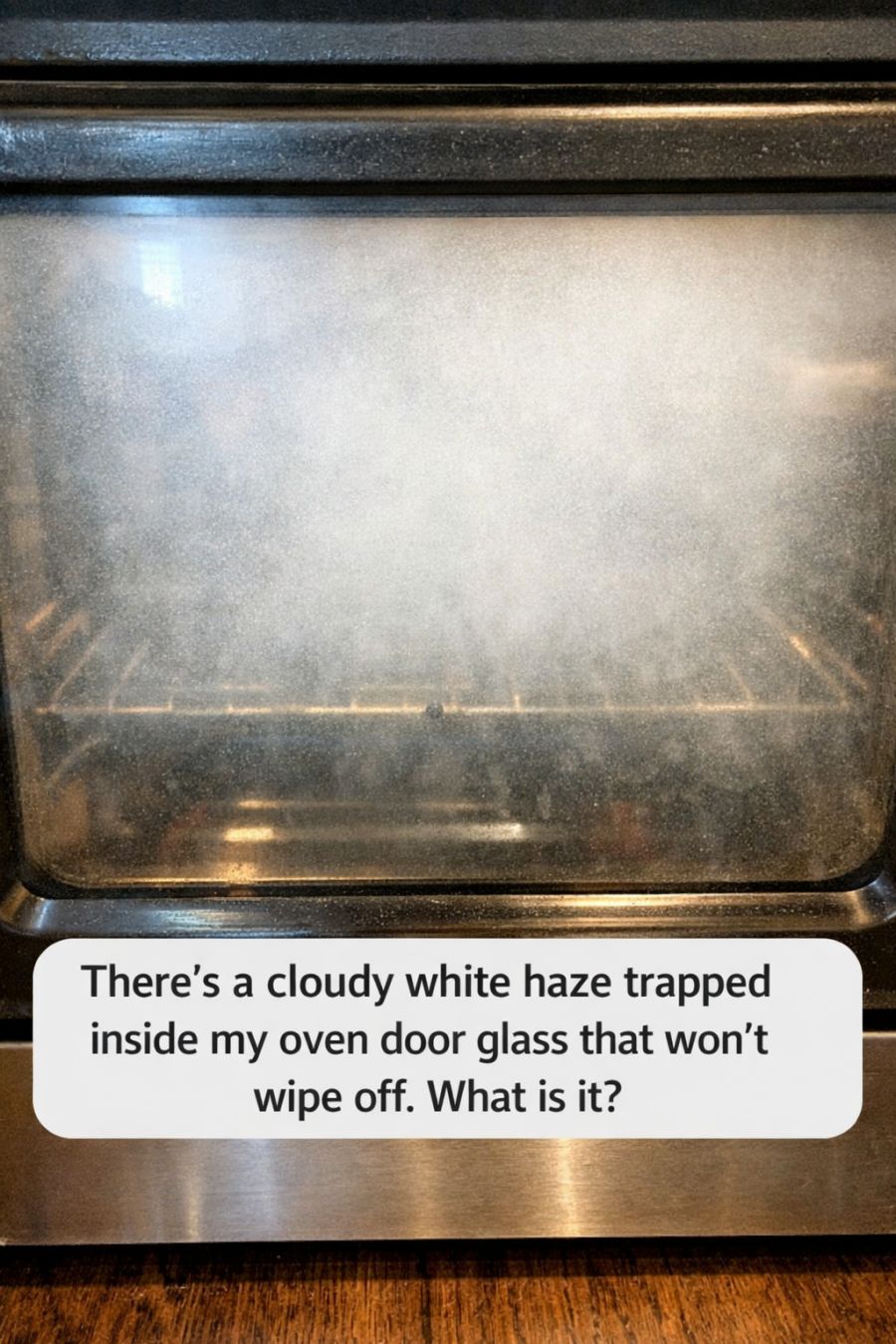
6. When haze signals bigger problems
Usually, a cloudy oven door from mineral haze or grease is cosmetic and doesn’t interfere with cooking. However, if you notice uneven cooking, unusual heat loss, or the door seal feels compromised alongside the haze, these could indicate insulation or sealing failures.
In such cases, the haze may be a symptom rather than just an annoyance. Poor sealing can reduce oven efficiency and safety, so it’s important to address any signs of malfunction promptly.
7. Accessing between glass panels
Cleaning the haze requires accessing the space between the oven door’s glass panels, which involves partial disassembly. First, consult your oven’s user manual for model-specific instructions, as door designs vary widely.
Typically, you will need to remove screws along the perimeter of the door frame and carefully separate the outer and inner glass panels. Oven doors can be heavy and awkward, so having a helper is recommended to prevent dropping or damaging the glass.
Take care not to damage any seals or insulation material during this process.
8. Effective cleaning methods
For baked-on mineral film, a solution of white vinegar diluted with water is effective. Apply the vinegar solution generously to the glass surfaces and let it sit for several minutes to dissolve mineral deposits.
If the film persists, a paste of baking soda and water offers gentle abrasion without scratching the glass. Apply the paste, allow it to sit, then scrub gently with a soft cloth or sponge. Thorough rinsing is essential to remove all residues before drying and reassembling the door.
Avoid abrasive pads or harsh chemical cleaners that may scratch or damage the glass or door seals.






