Is Your Oven Door Glass Cloudy or Damaged? How to Tell the Difference
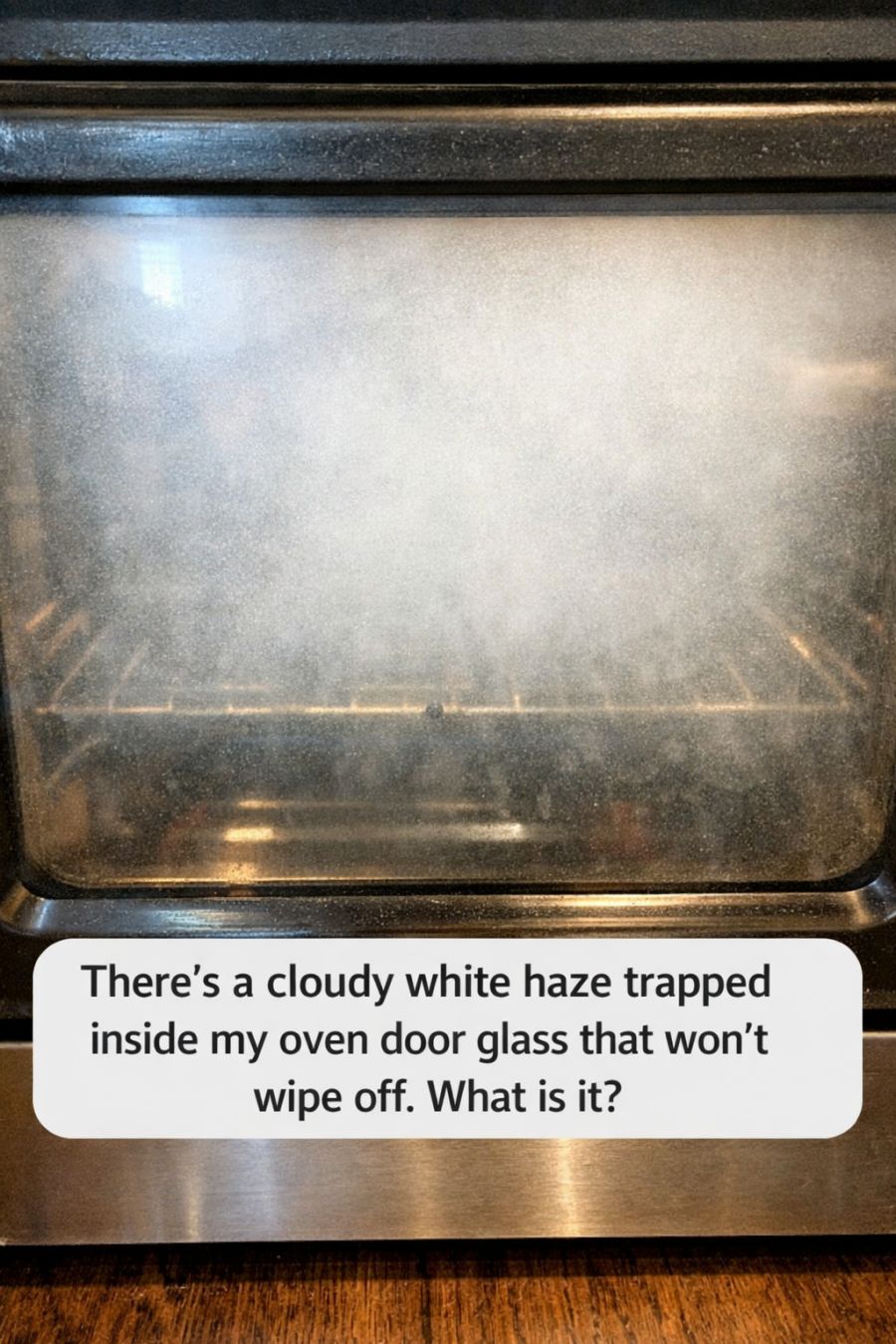
If you notice a cloudy white haze trapped between the glass panes of your oven door that won’t wipe off, the crucial first step is determining whether this is a harmless buildup or a sign of more serious damage. This distinction affects both how you address the problem and the potential repair costs involved.
Most commonly, the haze is caused by mineral deposits—primarily calcium and magnesium—left behind from water vapor produced during cooking or cleaning. These minerals accumulate over time between the oven door’s double or triple glass panels, baking onto the glass due to exposure to high heat. Because the deposits are trapped inside, they cannot be removed by simply wiping the inside or outside surfaces of the glass.
This kind of mineral film is similar to hard water stains seen on shower doors or windows and is typically a cosmetic issue. While unattractive, it generally does not impair the oven’s heating or cooking performance. However, it can obstruct your ability to clearly see inside without opening the oven door, which may lead to heat loss and longer cooking times over time.
On the other hand, if the haze is accompanied by uneven cooking, excessive heat escaping, or if the oven door feels unusually warm on the outside, this could indicate a problem with the oven’s insulation seals or glass integrity. Such issues can be costly to repair, with professional door glass replacement ranging from $100 to $300 depending on your oven model and labor rates.
To identify whether the haze is mineral buildup or something else, look closely at its appearance. Mineral deposits usually form a uniform, white, chalky haze. Grease or smoke residue, by contrast, tends to be irregular, discolored, and sometimes sticky or oily. If you see yellowish or brownish patches, or dark soot-like stains, these are likely from cooking splatters or burnt food, which may be easier to clean from accessible surfaces.
Because the haze is trapped between the oven door’s glass panels, accessing it requires disassembling the door, a process that varies by manufacturer and model. This is not a trivial task—it often involves removing screws, carefully separating heavy glass panels, and handling delicate components. Attempting this without guidance can risk damage or void your oven’s warranty.
Professional cleaning or replacement is often the safest choice if the haze severely impairs visibility and cannot be removed by external cleaning. Technicians can dismantle the door, clean the mineral deposits with appropriate solutions, or replace the glass if damaged. Ignoring mineral buildup won’t typically cause appliance failure but can degrade your cooking experience and kitchen aesthetics.
Understanding whether your oven door’s cloudy glass is a superficial mineral film or a symptom of a larger issue is key to deciding the right course of action. While mineral buildup is common and can be addressed with proper cleaning or professional service, signs of seal or glass damage warrant timely repair to maintain oven efficiency and safety.
Here are the 10 essential points to diagnose and fix cloudy oven door glass, including which step is critical to avoid costly mistakes.






