4. Sulfur Compounds and Glucose Regulation
Red onions contain sulfur-containing compounds such as allyl propyl disulfide and S-methyl cysteine sulfoxide. These bioactive molecules have been studied for their potential to mimic insulin action and improve glucose uptake by cells.
Preliminary research, primarily in animal models, shows these sulfur compounds may enhance the activity of enzymes involved in carbohydrate metabolism and promote better blood sugar control. While promising, these findings require more robust human trials to confirm clinical benefits. However, the presence of sulfur compounds contributes to red onions’ characteristic pungency and may offer subtle metabolic support when consumed regularly.
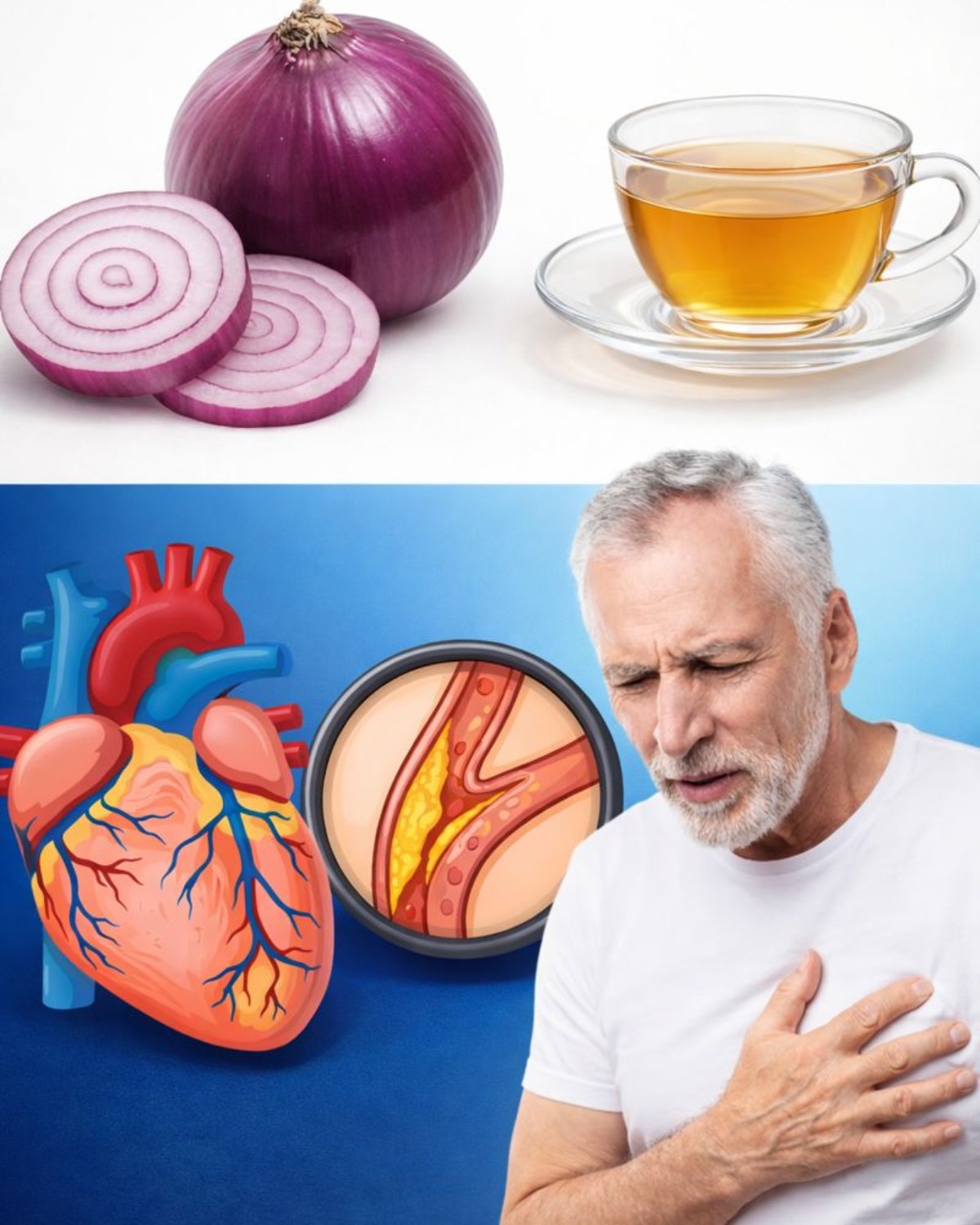
5. Cholesterol and Heart Health Support
Beyond blood sugar, red onions may influence lipid profiles, which is important because people with diabetes often face increased cardiovascular risk. Studies in animals indicate that onion extracts can reduce total cholesterol and low-density lipoprotein (LDL) levels while increasing high-density lipoprotein (HDL).
This cholesterol-lowering effect, linked to sulfur compounds and flavonoids, suggests red onions could support heart health as part of a diet rich in vegetables. While evidence in humans is less conclusive, incorporating red onions may complement other lifestyle strategies aimed at reducing cardiovascular risks.
6. Antioxidant Benefits for Oxidative Stress
Oxidative stress arises from an imbalance between free radicals and antioxidants in the body and contributes to complications in diabetes, including nerve and kidney damage. Red onions’ rich antioxidant content, including quercetin and other flavonoids, helps neutralize harmful free radicals.
By reducing oxidative damage, these antioxidants may protect cells and tissues, supporting long-term metabolic health. Regular consumption of antioxidant-rich foods like red onions forms part of a comprehensive approach to limiting oxidative stress.






