7. Versatile Culinary Uses
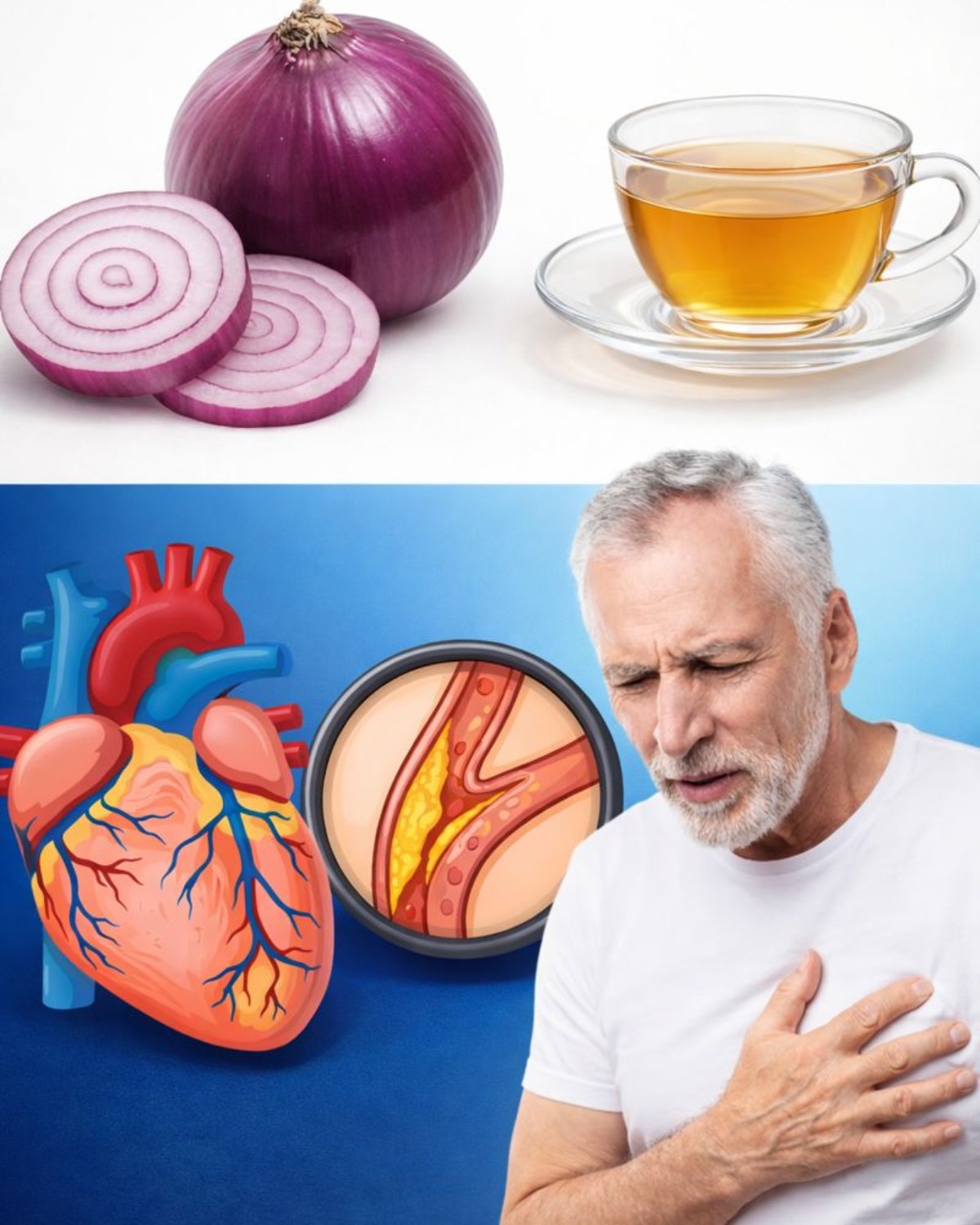
Red onions are remarkably versatile, enhancing both flavor and nutrition across a wide range of dishes. They can be eaten raw in salads or salsas, pickled to add tangy crunch to sandwiches, roasted to bring out natural sweetness, or infused into teas and broths.
Enjoying red onions regularly is easier when you incorporate them into familiar meals, such as:
- Salads and slaws
- Soups, stews, and chilis
- Grilled or roasted vegetable platters
- Pickled condiments with vinegar and herbs
- Infused waters or mild teas
8. Hydration and Vitamin Content
In addition to fiber and antioxidants, red onions provide hydration and essential vitamins, notably vitamin C and B-complex vitamins. Vitamin C supports immune function and collagen synthesis, while B vitamins play crucial roles in energy metabolism.
Though individual nutrient amounts per serving are modest, red onions contribute to overall nutrient diversity in the diet. Their high water content also aids hydration, which is important for metabolic health and blood sugar regulation.
9. Consistent Dietary Inclusion Benefits
The key to gaining any potential blood sugar or heart health benefits from red onions lies in consistent, moderate consumption as part of a balanced diet. Occasional or large single doses are unlikely to have meaningful effects.
Incorporating red onions daily or several times per week alongside fiber-rich vegetables, whole grains, lean proteins, and healthy fats supports gradual improvements in metabolic markers. This steady approach aligns with broader dietary recommendations for managing glucose and cardiovascular risk.
When to See a Doctor
If you have diabetes or prediabetes and notice persistent blood sugar fluctuations despite dietary adjustments, it is important to consult your healthcare provider. Sudden changes in blood glucose, unexplained fatigue, or other symptoms warrant medical evaluation. Your doctor can offer personalized advice, adjust medications if necessary, and recommend appropriate blood tests such as HbA1c to monitor long-term control.
Never replace prescribed treatments with dietary changes alone. Always discuss new supplements or significant diet modifications with your healthcare team to ensure safety and efficacy.
Conclusion
Red onions contain several compounds—fiber, quercetin, sulfur molecules—that may contribute to better blood sugar management and cardiovascular health over time. While the viral claim of instant blood sugar drops is unsupported, regular inclusion of red onions in a balanced diet can offer subtle, cumulative benefits.
Enjoy red onions as a flavorful, nutrient-rich addition to your meals, and focus on sustainable, overall dietary patterns for optimal metabolic wellbeing.
This article is for informational purposes only and does not substitute professional medical advice. Always consult your healthcare provider before making significant changes to your diet or treatment plan.






