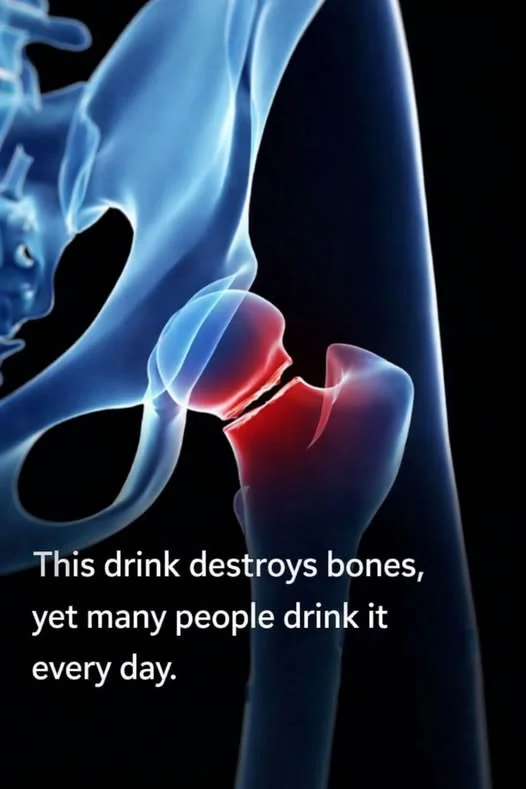
1. Cola and carbonated soft drinks
Cola and other carbonated soft drinks, particularly dark-colored sodas, are widely recognized for their potential to harm bone health. One key factor is their high phosphoric acid content, which can disrupt the delicate calcium-phosphorus balance critical for maintaining strong bones.
These beverages often replace calcium-rich drinks like milk in the diet, reducing overall calcium intake. Additionally, the high sugar content in sodas promotes inflammation, which may indirectly impair bone remodeling and repair.
Research has linked regular cola consumption to lower bone mineral density, especially in women, increasing the risk of osteoporosis over time.
2. Alcoholic beverages
Alcohol, including beer, wine, and spirits, negatively impacts bone health through several mechanisms. It interferes with vitamin D metabolism, which is essential for effective calcium absorption in the gut.
Alcohol also reduces osteoblast activity—the cells responsible for building new bone—thereby weakening bone formation. Heavy drinking further raises fracture risk by impairing balance and coordination, leading to falls.
While moderate alcohol consumption may have a smaller effect, chronic or heavy use is strongly associated with increased osteoporosis risk and compromised bone integrity.






