3. Excessive caffeine drinks
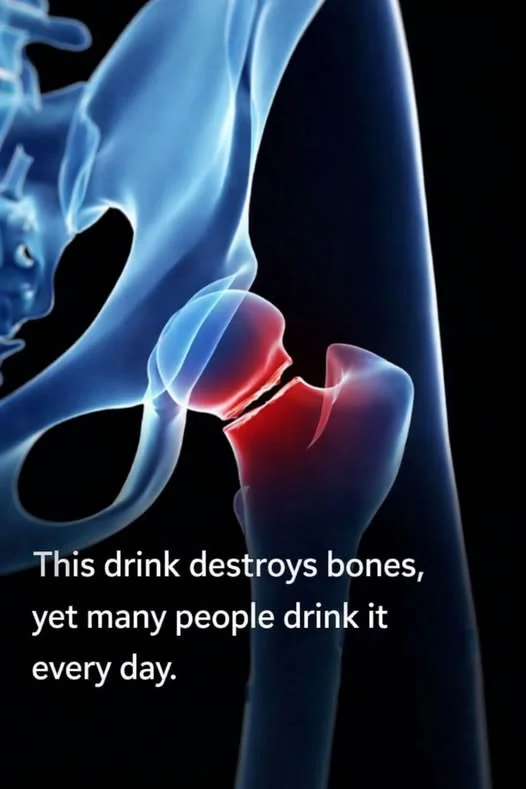
Caffeine-containing beverages such as coffee, strong tea, and energy drinks can negatively affect bones when consumed in excess. Moderate caffeine intake is generally safe, but high amounts increase calcium excretion through urine, which may deplete calcium available for bone maintenance.
There is also some evidence that excessive caffeine slightly reduces calcium absorption from the digestive tract. Energy drinks are particularly concerning because they combine caffeine with sugar and acidic components, amplifying their potential harm to bone health.
The impact of caffeine on bones is more pronounced when dietary calcium intake is insufficient, underscoring the importance of adequate calcium consumption for people who drink caffeinated beverages regularly.
4. Sugary fruit drinks and packaged juices
Many fruit drinks and packaged juices are high in added sugars and lack the nutritional benefits of whole fruits. These sugary beverages contribute to systemic inflammation, which can disrupt normal bone remodeling and increase bone loss.
Moreover, they often displace healthier calcium-rich drinks such as milk or fortified plant-based alternatives, further reducing bone-supportive nutrients in the diet. Unlike 100% natural fruit juice, which can be consumed in moderation, these sugar-laden drinks provide little fiber or micronutrients.
Practical Guidance for Protecting Bone Health
- Limit intake of carbonated soft drinks, especially colas, and replace them with calcium-fortified alternatives or water.
- Consume alcohol in moderation and avoid heavy or chronic drinking to reduce osteoporosis risk.
- Monitor caffeine consumption, ensuring it stays within moderate levels and maintain adequate calcium intake to offset losses.
- Choose whole fruits over sugary fruit drinks and limit packaged juices, focusing on nutrient-dense beverages to support bone strength.
- Maintain adequate vitamin D levels through safe sun exposure or supplementation as advised by your healthcare provider.
- Engage in regular weight-bearing exercise to stimulate bone formation and maintain bone density.
When to See a Doctor
If you experience persistent bone pain, frequent fractures from minor injuries, or have risk factors such as a family history of osteoporosis, consult your healthcare provider. They may recommend a bone mineral density test (DEXA scan) to assess your bone health and guide treatment strategies.
Discuss any concerns about alcohol or caffeine use with your doctor, especially if you have existing bone conditions or are at risk for osteoporosis.
Conclusion
Long-term consumption of certain drinks—especially colas, alcoholic beverages, excessive caffeine, and sugary fruit drinks—can negatively impact bone density and increase the risk of osteoporosis. Prioritizing nutrient-rich beverages, moderating harmful drink intake, and supporting bone health through diet and exercise are essential for maintaining strong bones throughout life.
Disclaimer: This information is not a substitute for professional medical advice. Always consult a healthcare professional for diagnosis and treatment tailored to your individual needs.






