Recognize When Poor Cabin Air Quality Becomes a Health Risk
If you experience sudden headaches, dizziness, or excessive drowsiness while driving, pull over safely and get fresh air immediately. These symptoms can indicate dangerously poor air quality inside your vehicle requiring urgent attention.
Why the Air Recirculation Button Is a Key Control You Shouldn’t Overlook
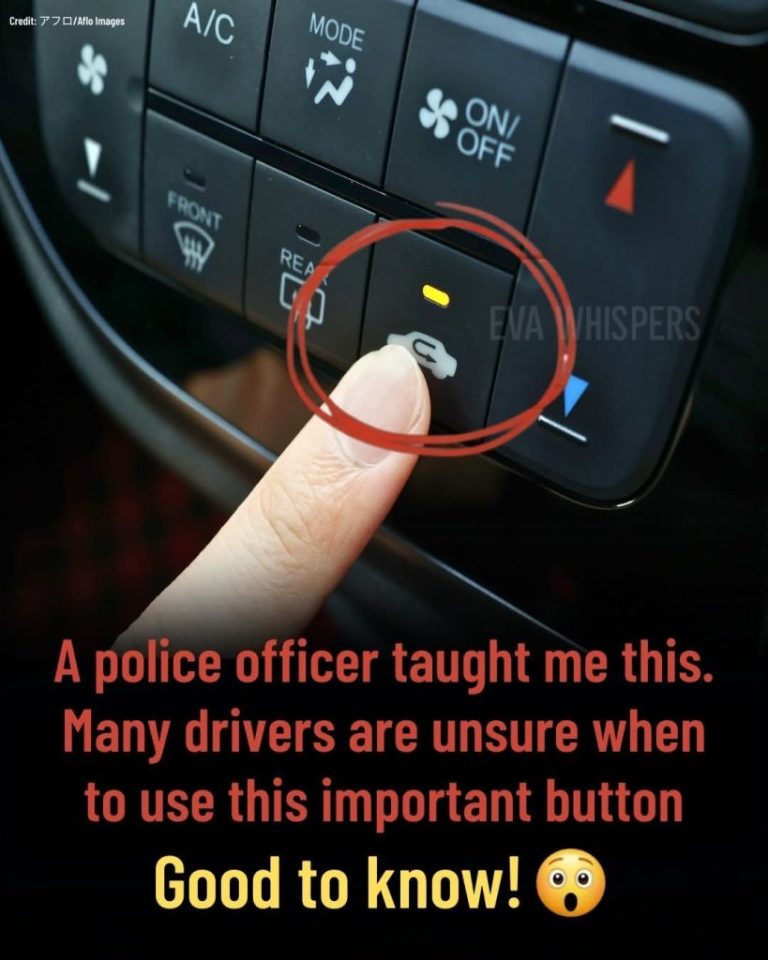
Most drivers pass by the small dashboard button featuring a car icon with a circular arrow without a second thought. This button controls the air recirculation feature in your vehicle’s HVAC system—a function that directly affects your comfort, health, and even fuel consumption.
Two Essential Modes in Your Car’s Climate Control System
Your car’s heating, ventilation, and air conditioning system operates primarily in two modes: fresh air intake and air recirculation. Each mode serves distinct purposes and impacts the cabin environment in important ways.
Fresh air mode constantly draws outside air through a cabin filter, replenishing oxygen and diluting carbon dioxide that builds up during longer trips or when multiple passengers share the vehicle.
In contrast, recirculation mode seals off outside air intake and reuses the air already inside the cabin. This closed-loop system lets the HVAC cool or heat the interior air more rapidly and efficiently, reducing the strain on your vehicle’s air conditioner compressor.
How Using Recirculation Mode Saves Fuel and Enhances Comfort
On hot days, recirculating the already cooled air inside the cabin means your air conditioner doesn’t have to work as hard to cool incoming hot air. This reduces fuel consumption in gasoline-powered vehicles and helps electric cars preserve battery life by lowering HVAC power demands. It also means faster cooling and more immediate relief from heat.
Protect Yourself from Traffic Pollution and Allergens
Urban driving exposes you to exhaust fumes, diesel smoke, dust, and industrial odors. Activating recirculation mode in heavy traffic or polluted areas helps block these irritants from entering your vehicle’s cabin, improving air quality. This is particularly beneficial for individuals with allergies, asthma, or other respiratory sensitivities.
Check Your Medicine Cabinet and Cabin Air Filters
Medications that cause drowsiness or dizziness can amplify your sensitivity to stale or polluted cabin air, increasing the risk of impaired alertness while driving. Regularly replacing your cabin air filter is equally important; a clogged filter reduces airflow and allows contaminants inside, diminishing your HVAC system’s effectiveness.
Knowing when to switch between fresh air and recirculation modes can significantly improve your driving experience, health, and vehicle efficiency. Ignoring this button’s role may lead to discomfort, increased fuel costs, or worse health effects.
Here are the 10 key points to understand about air recirculation and fresh air modes. The one that affects your health most directly might surprise you.






