3. Dishwasher disinfection method
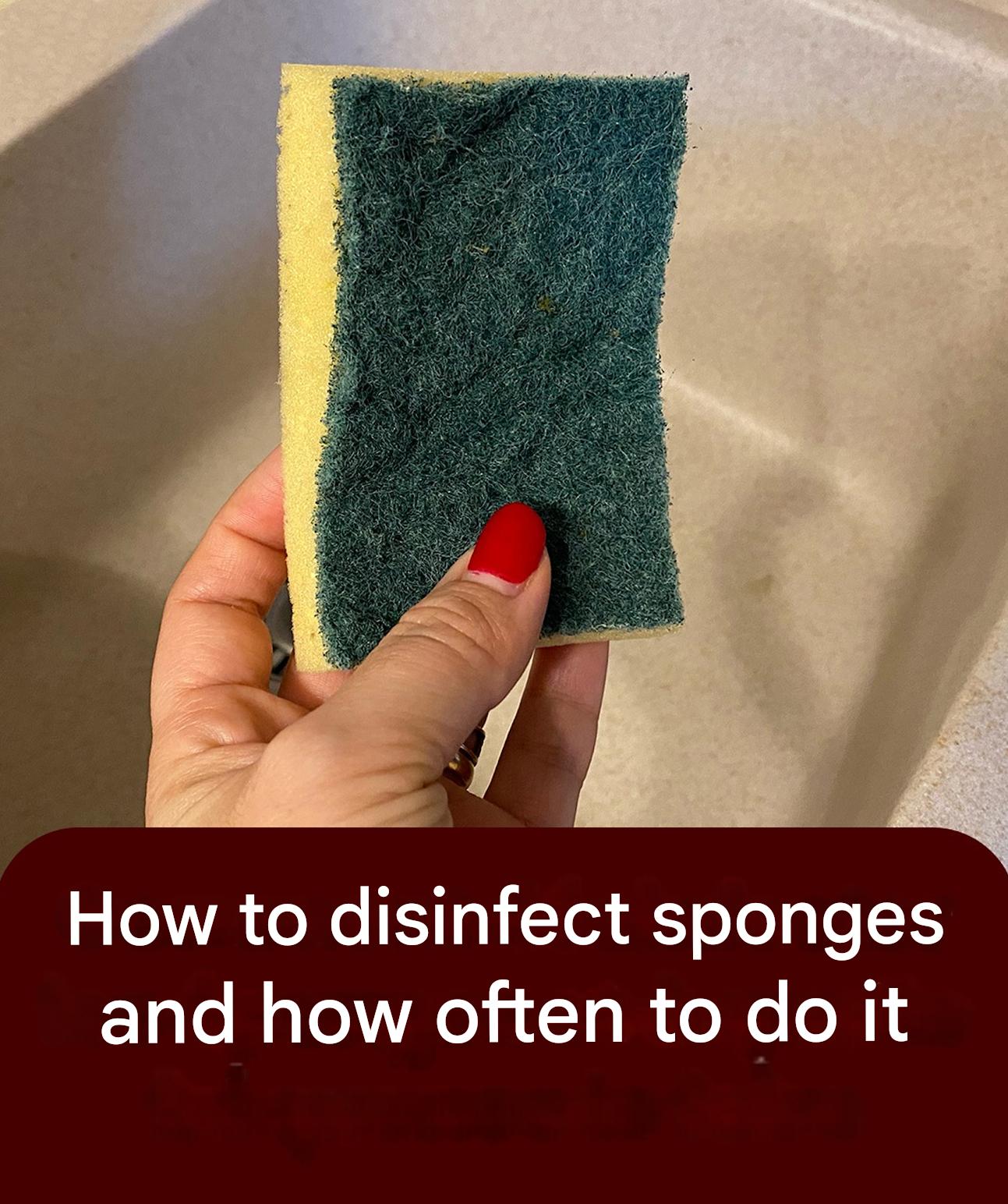
The dishwasher also serves as an effective tool to sanitize sponges. Running a full cycle with high heat and drying settings exposes the sponge to temperatures that substantially reduce microbial contamination. Place the sponge on the top rack to ensure it is fully exposed to the hot water and steam during the wash cycle.
This method is convenient for routine sponge maintenance, requiring minimal effort beyond placing the sponge in the dishwasher. However, it may not be practical for all sponge types, especially those that can degrade under dishwasher conditions.
4. Boiling water disinfection method
Boiling water is a simple, economical way to disinfect sponges regularly. Immerse the sponge in a pot of boiling water for approximately five minutes. The sustained high temperature effectively kills many bacteria and pathogens residing in the sponge fibers.
After boiling, carefully remove the sponge with tongs or a utensil to avoid burns. Let it cool and dry completely before reuse to prevent moisture retention that encourages microbial growth. This method is particularly useful for natural sponges or those not suitable for microwave or dishwasher cleaning.






