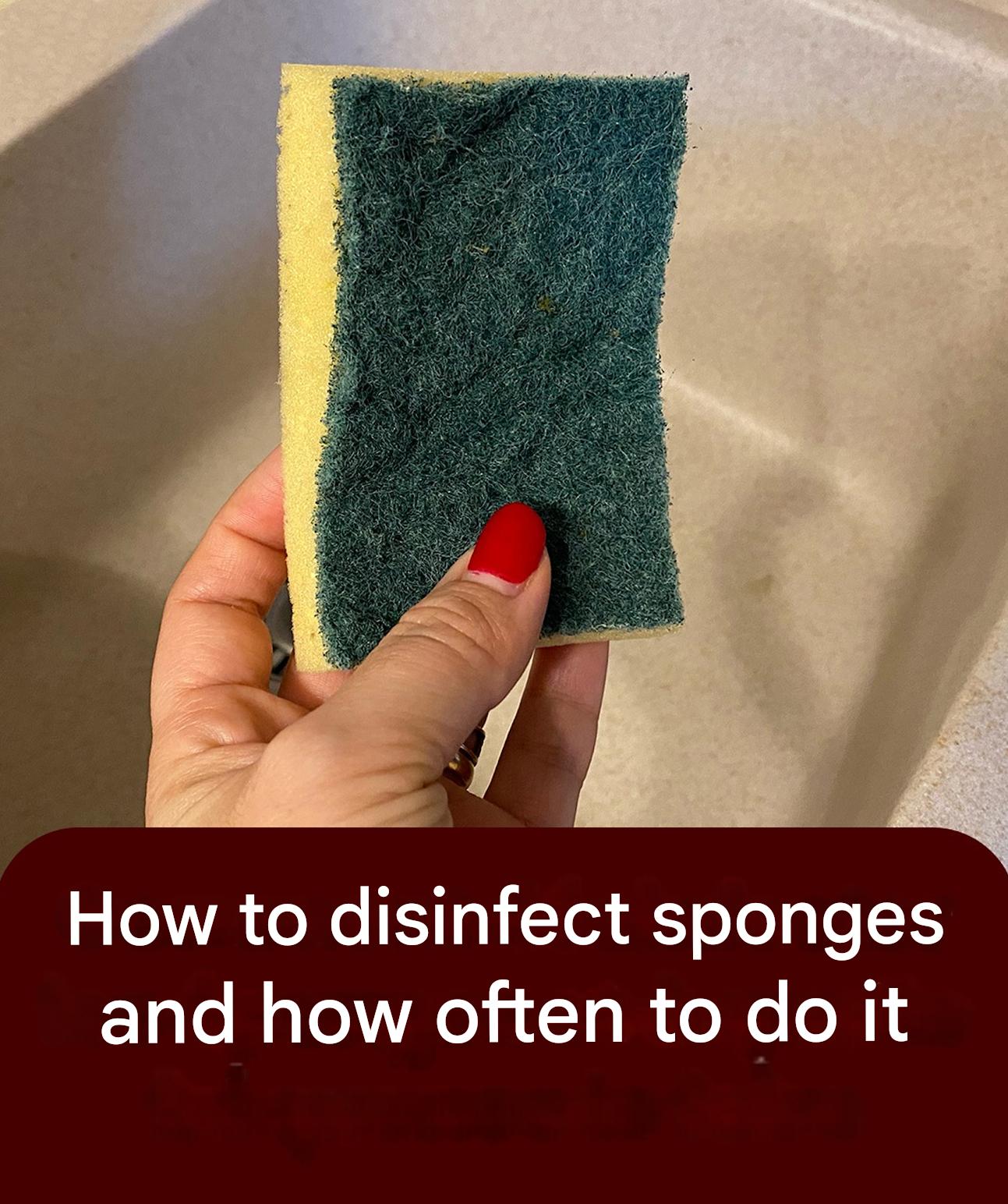
Important: If you experience any signs of foodborne illness or severe allergic reactions linked to kitchen hygiene, seek medical advice promptly.
Understanding the Hidden Risks of Kitchen Sponges
Kitchen sponges, although indispensable for everyday cleaning, are notorious for becoming breeding grounds for harmful bacteria and microbes. Their porous structure retains moisture and food particles, creating an ideal environment for microbial growth. This hidden contamination can pose health risks if not properly managed.
To protect your household from potential contamination, it is crucial to recognize that simply rinsing and wringing out a sponge is insufficient for thorough cleaning. Microorganisms embed deep within the sponge fibers, shielded from surface cleaning efforts.
Choosing the Right Disinfection Approach
Heat-based disinfection methods are widely regarded as the most effective at eliminating bacteria within sponges. Fortunately, common household appliances such as microwaves, dishwashers, and stovetops provide accessible options to sanitize sponges safely and affordably.
Microwaving a fully soaked sponge for about one minute generates steam that penetrates the sponge fibers, killing most microbial contaminants. It is essential never to microwave a dry sponge or one containing any metallic components due to fire risk.
Alternatively, placing the sponge in the top rack of a dishwasher during a high-temperature cycle with drying can achieve similar sanitizing effects. Boiling a sponge in simmering water for approximately five minutes also offers a straightforward and cost-effective way to disinfect.
When to Replace Your Sponge
Even with regular disinfection, sponges degrade over time and lose their cleaning efficiency. Experts recommend disinfecting sponges every two to three days and replacing them every one to three weeks depending on usage intensity. A persistent unpleasant odor despite rinsing is a clear sign that replacement is necessary.
To extend sponge lifespan and reduce microbial growth, consider rotating between two sponges. Allowing one sponge to dry completely in open air while using the other naturally inhibits bacterial proliferation.
Avoid Ineffective or Harmful Cleaning Practices
Common household substances like white vinegar, lemon juice, and baking soda may temporarily neutralize odors or degrease the sponge surface but do not disinfect deep within the fibers. Similarly, bleach loses effectiveness on heavily soiled sponges and may leave residues; thus, it is not recommended for routine sponge disinfection.
When a sponge is heavily damaged or has been used to clean highly sensitive materials, disposing of it promptly is the safest choice.
Maintaining proper sponge hygiene is a simple yet critical practice to ensure kitchen cleanliness and reduce the risk of microbial contamination.
Here are the 6 most important points about disinfecting and maintaining kitchen sponges. Number 4 is the method that balances effectiveness and convenience for most households.






