1. Overestimation of Cardiovascular Risk
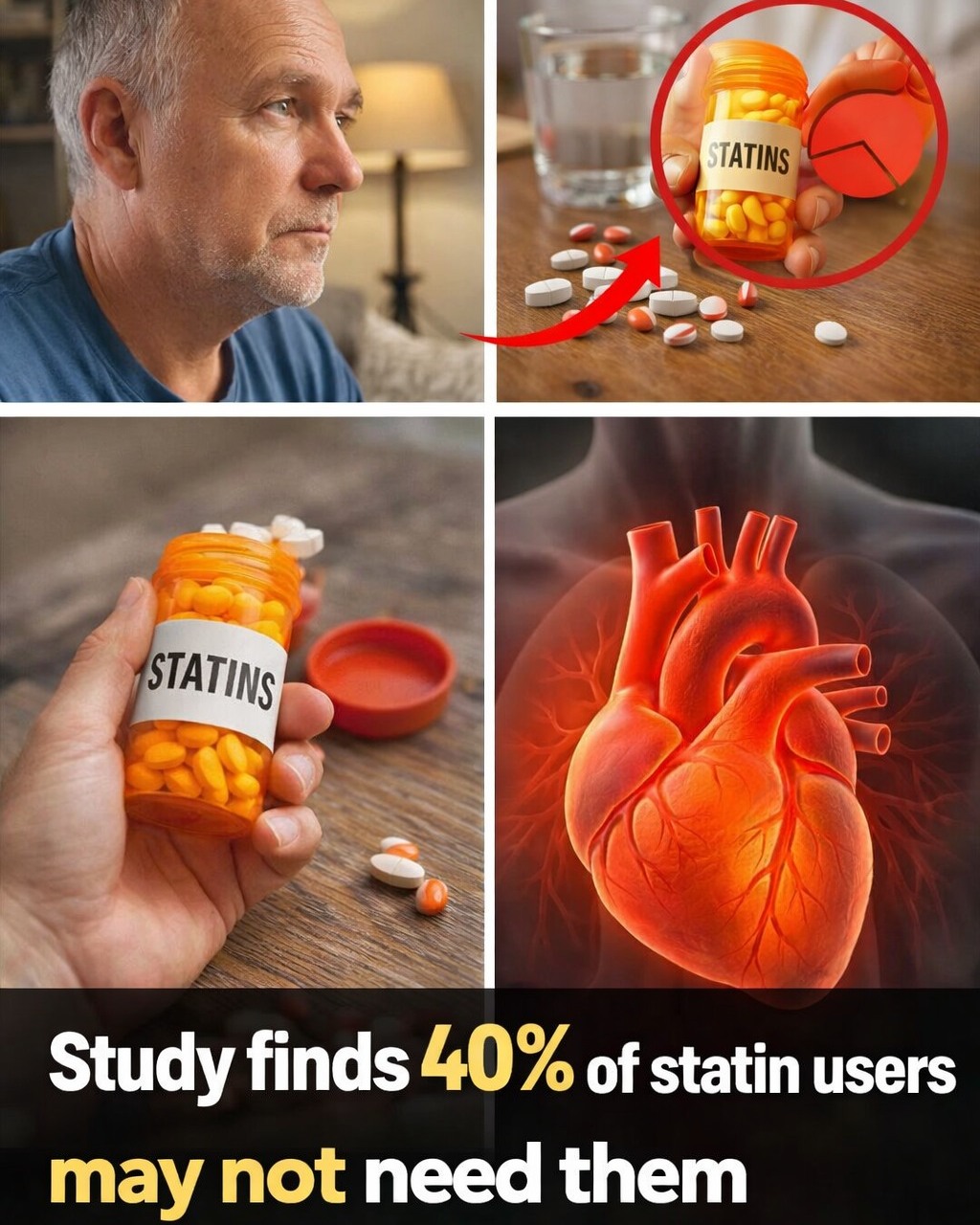
Many adults have been prescribed statins based on cardiovascular risk calculators that estimate their chance of having a heart attack or stroke over the next decade. However, newer data suggests that these tools may have systematically overestimated the actual risk for a significant portion of the population. This means some people were started on daily statins even though their true risk of cardiovascular events was lower than initially predicted.
This overestimation stems partly from improvements in public health and medical care over the past decades. Reduced smoking rates, better management of blood pressure, and advances in preventive care have lowered the overall baseline risk compared to when many risk models were developed. Consequently, the risk thresholds that triggered statin prescriptions may now classify some individuals as high risk when their real-world risk is moderate or low.
2. Limitations of Older Risk Calculators
Traditional cardiovascular risk calculators, such as the Framingham Risk Score and earlier versions of pooled cohort equations, rely on a fixed set of variables including age, cholesterol levels, blood pressure, smoking status, and diabetes presence. While these factors remain important, the calculators do not fully incorporate newer insights into heart disease mechanisms or population changes.
Specifically, these older models often do not adjust for factors like chronic inflammation markers, insulin resistance nuances, or the impact of modern treatments and lifestyle shifts. Additionally, they may not accurately reflect risk in diverse ethnic groups or account for changes in environmental exposures. As a result, their predictions may be less precise today.
- They tend to over-predict risk in healthier contemporary populations.
- They may not include emerging risk factors such as inflammatory biomarkers.
- They often lack validation in varied ethnic or socio-economic groups.
- They do not account for improvements in preventive care and lifestyle trends.
These limitations highlight the need for updated risk assessment tools and individualized evaluations rather than relying solely on older calculators for statin decisions.