Important: If you experience chest pain, sudden shortness of breath, or other signs of a heart attack, seek emergency medical care immediately.
Understanding Your True Cardiovascular Risk Before Deciding on Statins
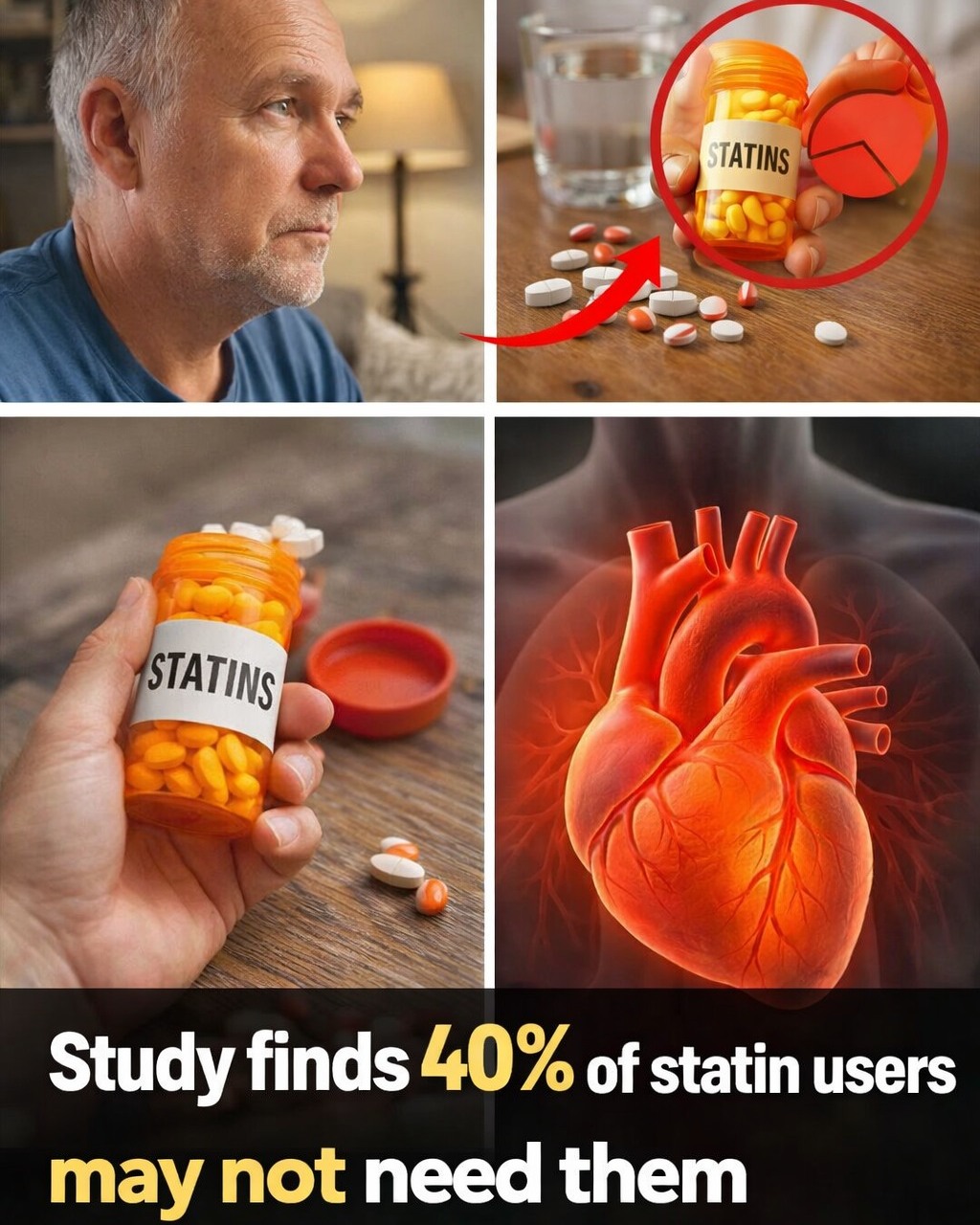
Millions of adults worldwide take statins daily to lower their LDL cholesterol and reduce the risk of heart attacks and strokes. However, recent research indicates that many people started on statins might have been classified as high risk based on outdated cardiovascular risk calculators that overestimate actual danger in today’s populations. This means that up to 40 percent of statin users could potentially fall into a lower risk category when assessed with current, more precise methods.
Recognizing whether you are truly in the high-risk group or not is critical because it shapes the balance between the benefits of statins and their possible side effects, such as muscle pain or fatigue. It also opens the door to exploring lifestyle strategies that can effectively support your heart health without unnecessary medication.
Why Risk Assessment Matters
Traditional risk calculators estimate your chance of a cardiovascular event over ten years based on factors like age, blood pressure, cholesterol levels, smoking, and diabetes. These tools were developed decades ago and may not fully reflect improvements in public health, such as lower smoking rates and better blood pressure control. Consequently, many people who once qualified for statin therapy might now be considered lower risk.
This evolving understanding does not diminish the effectiveness of statins for those who truly need them, such as people with established cardiovascular disease or very high LDL cholesterol. Instead, it emphasizes the importance of personalized risk evaluation using up-to-date models and, when appropriate, further diagnostic tools like coronary artery calcium scoring. This imaging test provides a direct measure of plaque buildup in arteries, offering a clearer picture beyond statistical estimates.
Check Your Medicine Cabinet
If you are currently prescribed statins, take note of your medication details and discuss with your healthcare provider whether your initial risk assessment still applies. Avoid stopping any prescribed medication without professional guidance, as abrupt discontinuation can increase your risk of heart events.
How Lifestyle Fits Into the Equation
Cholesterol is just one part of cardiovascular risk. Inflammation inside arterial walls, blood pressure, smoking habits, insulin resistance, physical activity, sleep quality, and stress levels all significantly influence heart health. Recent studies highlight that managing these factors through diet, exercise, and stress reduction can meaningfully improve your cardiovascular risk profile, sometimes reducing the need for medication in lower risk individuals.
Understanding your personal risk and options requires a clear-eyed, stepwise approach and an open dialogue with your healthcare team. This ensures decisions about statin use and lifestyle changes are informed, balanced, and tailored to your unique situation.
Here are the 10 key factors that shape your heart health risk. Number 7 reveals the surprising truth about statin benefits and side effects most people overlook.






