3. Influence on sleep apnea
Obstructive sleep apnea (OSA) is a condition where the airway repeatedly narrows or collapses during sleep, causing breathing interruptions. Sleeping position can significantly influence OSA severity. While many patients experience fewer apnea episodes when sleeping on their side compared to their back, the distinction between right and left side is less clear-cut.
Some evidence suggests that right-side sleeping may offer a slight advantage for people with OSA, potentially due to anatomical differences in airway structures and reduced pressure on the heart and lungs. However, the most critical factor remains avoiding supine (back) sleeping, which often worsens OSA symptoms.
For patients with diagnosed or suspected sleep apnea, a polysomnography (sleep study) is essential to evaluate how sleep position affects apnea events. Treatment plans may include positional therapy, continuous positive airway pressure (CPAP), or oral appliances tailored to the individual’s needs.
- Right-side sleeping may modestly reduce apnea episodes compared to left-side or back sleeping.
- Avoiding back sleeping is more important than choosing right vs. left side for OSA management.
- Sleep studies help determine the best positional and therapeutic strategies.
When to See a Doctor
If you experience frequent heartburn, chest pain, disrupted sleep, or symptoms suggestive of sleep apnea such as loud snoring and daytime fatigue, consult your healthcare provider. Persistent digestive discomfort or cardiovascular symptoms require evaluation to rule out underlying conditions. For sleep apnea concerns, a referral to a sleep specialist for diagnostic testing may be necessary.
Conclusion
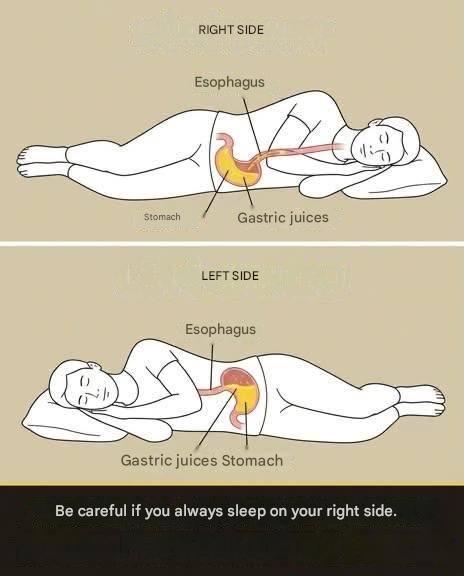
Choosing to sleep on your right side has both benefits and drawbacks depending on your individual health status. While it may aid heart function and provide comfort, it can exacerbate acid reflux and may have a variable effect on sleep apnea severity. Tailoring your sleep position to your digestive, cardiac, and respiratory health, ideally under medical guidance, supports better quality sleep and overall wellbeing.
This information is not a substitute for professional medical advice. Always consult your healthcare provider about sleep-related health concerns.