1. Understanding sudden cardiac arrest
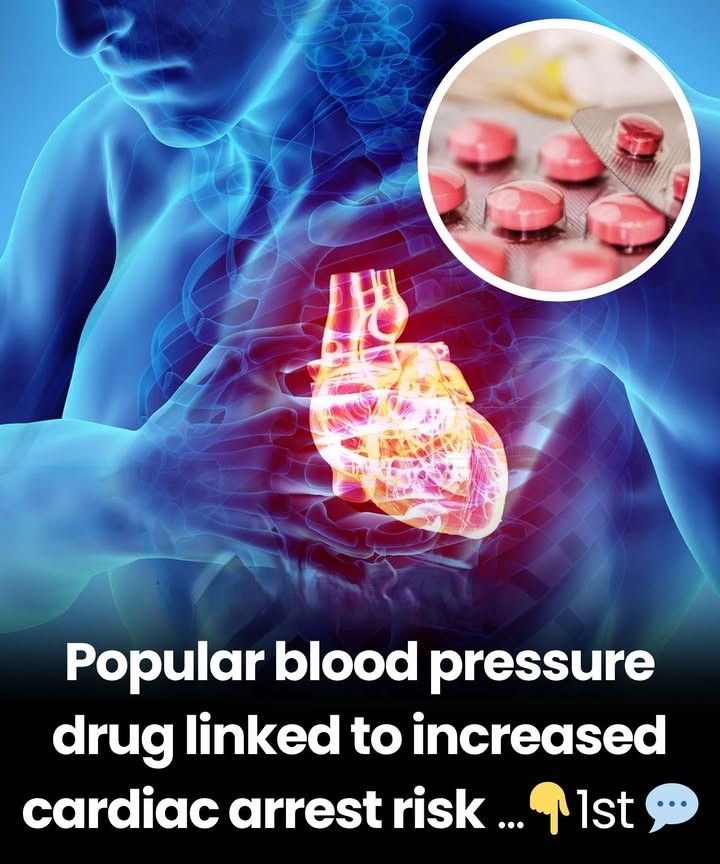
Sudden cardiac arrest (SCA) occurs when the heart unexpectedly stops pumping blood effectively, leading to the immediate loss of consciousness and absence of pulse. Unlike a heart attack, which is caused by a blockage in blood flow to the heart muscle, SCA is primarily due to an electrical malfunction in the heart that disrupts its rhythm.
Without prompt treatment, usually defibrillation within minutes, SCA is almost always fatal. In the United States, it accounts for approximately 475,000 deaths annually, making it a critical focus of cardiovascular research and emergency medical care.
2. Differences between nifedipine and amlodipine
Nifedipine and amlodipine are both dihydropyridine calcium channel blockers commonly prescribed to manage hypertension and angina. They lower blood pressure by relaxing the smooth muscles in blood vessels, improving blood flow and reducing cardiac workload.
Despite their similar clinical applications, these drugs differ in their pharmacokinetics and effects on cardiac cells. Laboratory studies indicate that high doses of nifedipine cause a more significant shortening of the cardiac action potential than amlodipine. This difference in cellular electrophysiology may underlie the varying risks of arrhythmias and sudden cardiac arrest observed in population studies.
3. Dose-related risk of cardiac arrest
Recent research suggests that the risk of sudden cardiac arrest increases with higher doses of nifedipine. Analysis of data from more than 10,000 patients using dihydropyridine calcium channel blockers found that individuals taking high-dose nifedipine had a significantly elevated risk of out-of-hospital cardiac arrest compared to those on amlodipine or not using these drugs.
The dose-dependent nature of this risk highlights the importance of careful dosing and monitoring when prescribing nifedipine, especially in patients with underlying cardiac vulnerability. It also underscores the need for further studies to define safe dosage thresholds and to explore alternative medications when appropriate.