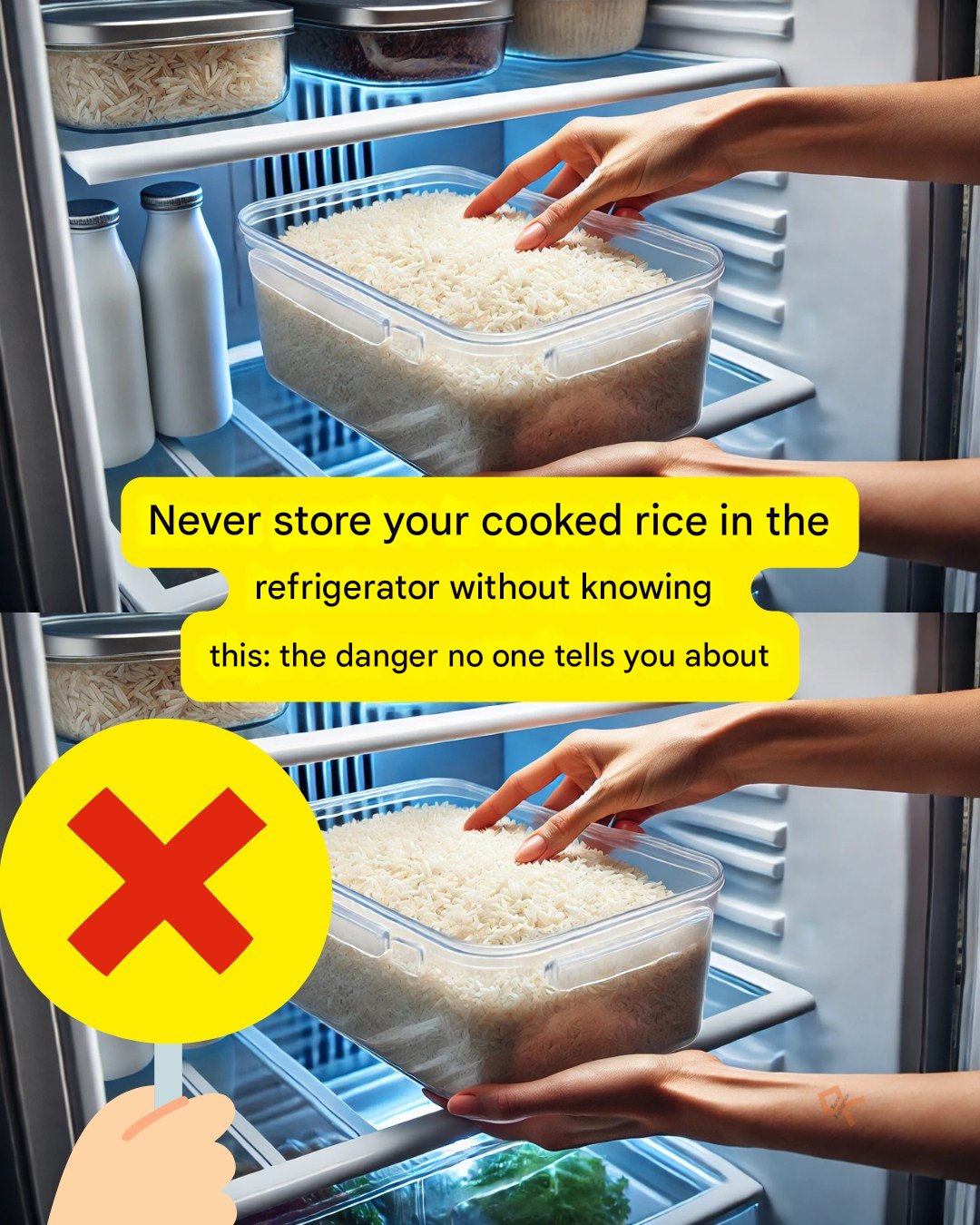
4. Safe refrigeration timing
After cooling and placing rice in an airtight container, it must be refrigerated promptly at a temperature of 4°C (39°F) or below. This temperature significantly slows bacterial growth, helping to prevent Bacillus cereus from reaching harmful levels.
Cooked rice should ideally be consumed within 24 to 48 hours of refrigeration. Although some sources suggest rice can last up to four days in the fridge, the risk of toxin production increases the longer it is stored. For maximum safety, prioritize eating refrigerated rice within the first two days.
5. Correct reheating temperature
When reheating refrigerated rice, it is essential to heat it thoroughly to an internal temperature of at least 75°C (167°F). This temperature ensures that most bacteria present are killed, though it will not neutralize any toxins that were produced prior to refrigeration.
Reheat rice only once; repeated cooling and reheating cycles increase the risk of bacterial growth and toxin formation. If the rice emits an unusual smell, has a sticky or slimy texture, or shows any discoloration, it should be discarded immediately to avoid foodborne illness.
Practical Guidance and When to See a Doctor
To minimize the risk of food poisoning from cooked rice, always follow these steps:
- Cool cooked rice quickly within one hour.
- Store it in airtight containers in the refrigerator at or below 4°C.
- Consume refrigerated rice within 24 to 48 hours.
- Reheat to an internal temperature of 75°C or higher before eating.
- Discard rice that smells off, is sticky, or has changed color.
If you experience severe symptoms such as persistent vomiting, dehydration, bloody diarrhea, or high fever after consuming rice, seek medical attention promptly. These symptoms may indicate a serious foodborne illness requiring professional care.
Conclusion
Storing cooked rice safely requires quick cooling, airtight storage, prompt refrigeration, and proper reheating. Understanding the risks posed by Bacillus cereus and its heat-resistant toxins is crucial to preventing food poisoning. By following these guidelines, you can enjoy cooked rice without compromising your health.
Disclaimer: This information is intended for educational purposes and does not replace professional medical advice. Consult a healthcare provider for concerns about foodborne illness or symptoms.






