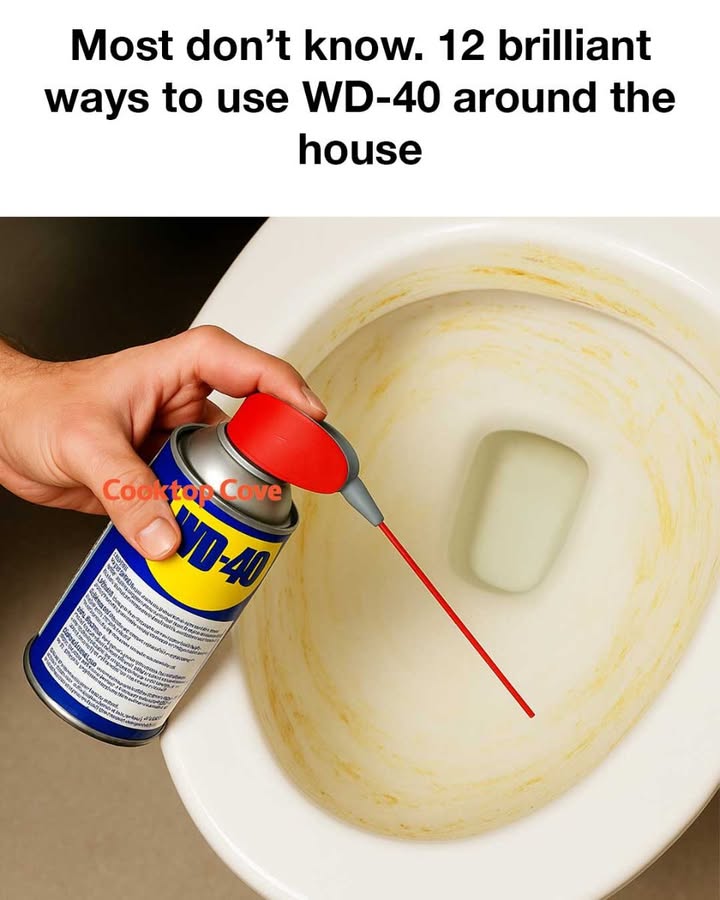
When to Use WD-40 Around the Home—and When You Need More Than a Quick Fix
WD-40 is often thought of simply as a lubricant for squeaky hinges or a way to loosen rusty bolts. However, its value goes beyond these basic uses, helping homeowners maintain surfaces and tools that face wear and tear from moisture, dirt, and rust. The key decision before applying WD-40 is determining whether the issue is surface dirt or actual damage such as corrosion or adhesive residue. This matters because WD-40 can dissolve adhesives and provide a protective barrier against rust, but it cannot reverse deep material damage or prevent all types of deterioration.
For example, garden tools left untreated can develop rust that, if severe, requires professional replacement or costly repairs. WD-40 acts as a preventive coating to extend tool life by displacing moisture and loosening dirt, but it won’t restore pitted metal. Similarly, on stainless steel appliances, WD-40 can remove fingerprints and smudges while leaving a protective layer, yet it should not be used on surfaces that have specialized coatings which WD-40 might degrade.
Another important consideration is the surface or material type. WD-40 works well on metal, hard plastics, and some painted surfaces, but it can damage leather finishes or certain fabrics if applied improperly. For instance, using WD-40 to free a stuck zipper can save replacement costs, but applying it on delicate fabric without testing first risks staining or weakening the material.
When dealing with stubborn residues, such as stickers or gum stuck to surfaces, WD-40 can safely dissolve adhesives without harsh scrubbing, which often damages paint or finishes. However, these applications require letting the product sit briefly and gentle removal to avoid surface harm.
On outdoor metal furniture, WD-40 provides a moisture barrier that can prevent rust and prolong furniture lifespan, potentially saving hundreds of dollars in replacement costs. In contrast, neglecting this step may lead to corrosion that demands professional sanding, repainting, or replacement.
Cost-wise, professional repairs for rust damage or appliance refinishing can range from $100 to several hundred dollars, making preventative use of WD-40 a cost-effective maintenance step. Nonetheless, it’s not a cure-all; persistent corrosion or mechanical failures need expert attention.
Safety is paramount when using WD-40 at home. It is flammable and should not be sprayed near open flames or electrical sources. Proper ventilation and avoiding skin or eye contact are essential, as is keeping it away from children and pets.
Before applying WD-40, ask yourself:
- Is the problem dirt, adhesive residue, or actual damage?
- What surface or material will I apply it to, and is it safe for that surface?
- Could this fix prevent a costly repair, or is professional service needed instead?
Answering these questions will help you apply WD-40 effectively while avoiding damage or wasted effort.
Here are the 10 most effective ways to use WD-40 around your home, including the one that can save you from expensive repairs.






