1. What are nighttime leg cramps?
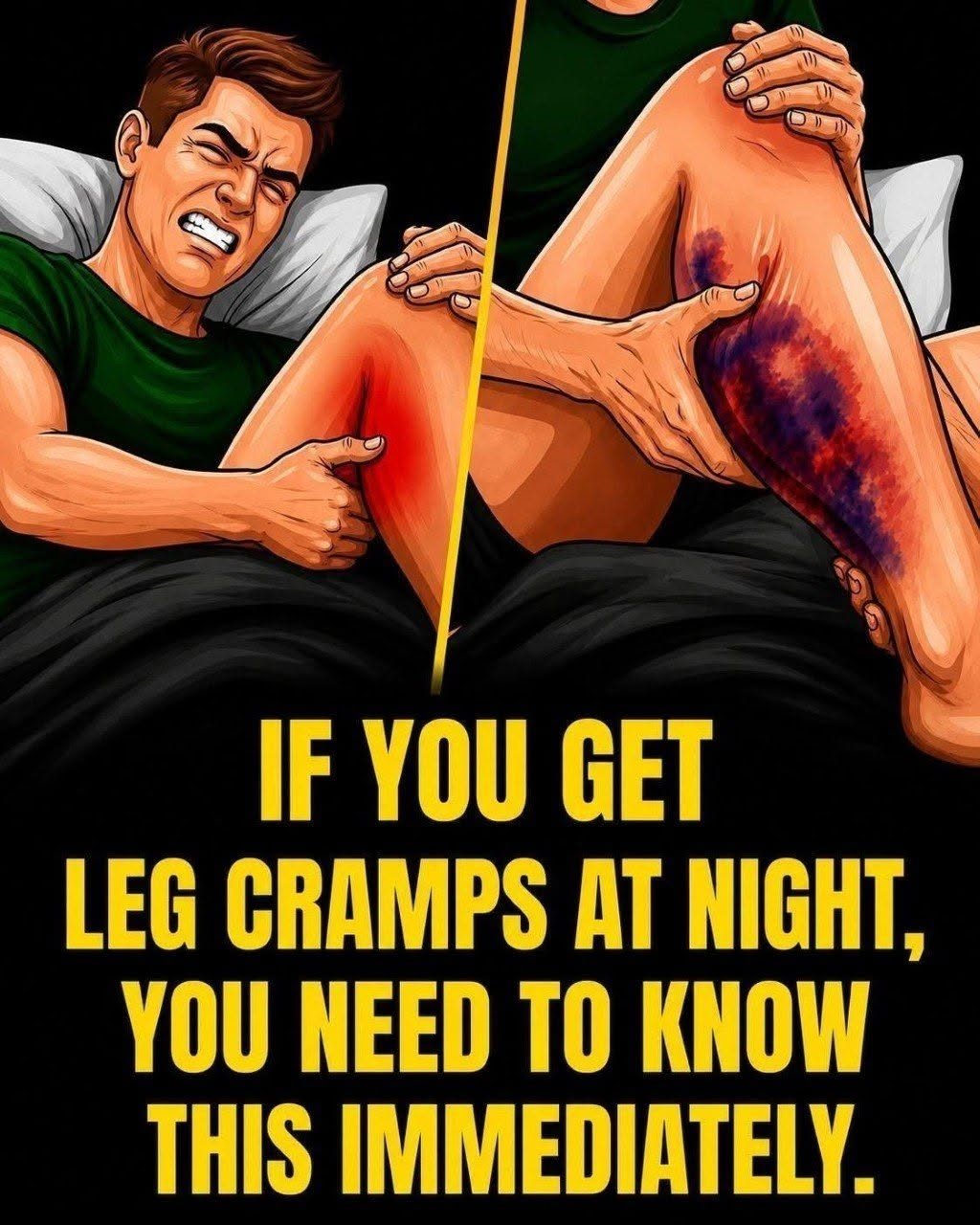
Nighttime leg cramps are sudden, involuntary muscle contractions that commonly affect the calves, feet, or thighs during sleep. These cramps can last from a few seconds to several minutes and often cause sharp pain that disrupts rest. While the intense discomfort usually subsides quickly, muscle soreness or tenderness can persist for hours or even into the next day.
These cramps are distinct from restless leg syndrome or muscle spasms caused by nerve issues. They represent a true contraction of the muscle fibers that does not relax immediately, often waking individuals from sleep unexpectedly.
2. Dehydration and electrolyte imbalance
One of the leading contributors to nighttime leg cramps is dehydration, which disrupts the delicate balance of electrolytes critical for muscle function. Electrolytes such as potassium, magnesium, calcium, and sodium regulate muscle contractions and nerve impulses.
When fluid levels drop, electrolyte concentrations shift, increasing the risk of muscle hyperexcitability and spasms. This is especially common after heavy sweating due to exercise or heat exposure. Even mild dehydration can predispose muscles to cramping during rest.
- Potassium helps muscles contract and relax properly.
- Magnesium supports muscle relaxation and nerve function.
- Calcium is essential for muscle contraction.
- Sodium maintains fluid balance and nerve signaling.
Maintaining adequate hydration and electrolyte intake throughout the day is crucial to reducing the likelihood of cramps at night.
3. Muscle fatigue and activity levels
Muscle fatigue from overuse or prolonged strain plays a significant role in nighttime leg cramps. Activities such as standing for extended periods, walking long distances, or intense workouts can exhaust muscles.
Additionally, sitting or lying in one position for hours without movement reduces circulation and can cause muscles to tighten. Without proper stretching and recovery, fatigued or tight muscles are more susceptible to involuntary contractions during sleep.
Incorporating regular stretching and pacing physical activity intensity can help prevent excessive muscle fatigue and reduce cramps.