3. Full-body workout program
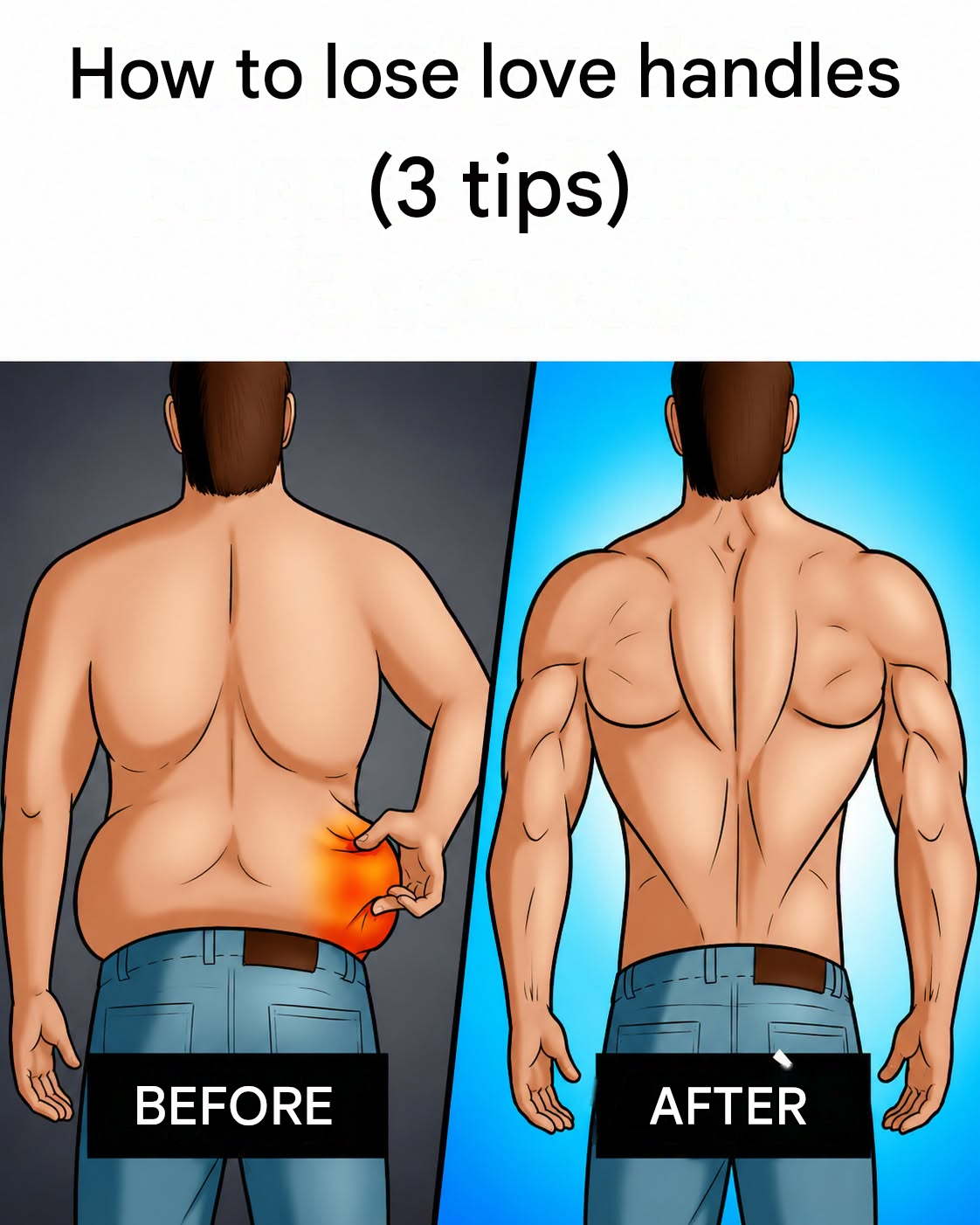
An effective strategy for reducing love handles involves engaging the entire body in a structured workout program that increases overall calorie burn and induces a thermogenic state. This approach combines strength, endurance, and cardio elements to maximize fat loss while preserving lean muscle mass.
Key exercises to include in such a program are:
- Planks: Perform 4 sets of 30 seconds, maintaining a straight line from head to heels with contracted abs to strengthen the core.
- Knee raises on a fixed bar: 4 sets of 20 controlled repetitions, lifting knees toward the chest to engage lower abs.
- Battle ropes: 4 sets of 30 seconds of fast, consistent waves to increase heart rate and calorie expenditure.
- Russian twists: 4 sets of 15 repetitions, twisting the torso with or without added weight to target the obliques.
- Box jumps: 4 sets of 20 repetitions to build explosive power and burn fat.
Incorporate these exercises 3 to 4 times per week, allowing rest days in between for recovery. Progressively increasing intensity and duration will help sustain fat loss and muscle toning.
When to See a Doctor
If you experience unexplained weight gain, persistent abdominal bloating, or other metabolic symptoms such as fatigue or increased thirst, consult your healthcare provider to rule out underlying conditions such as adrenal disorders or insulin resistance. Additionally, before beginning any new exercise program, especially if you have chronic health conditions, seek medical clearance to ensure safety.
Conclusion
Reducing love handles requires a combination of managing cortisol levels through lifestyle adjustments, engaging in targeted exercises to tone abdominal muscles, and following a comprehensive full-body workout program to promote fat loss. Consistency and patience are essential, as these changes take time to reflect visibly. Prioritizing overall health and wellness will yield the best long-term results.
This information is for educational purposes and is not a substitute for professional medical advice. Always consult a healthcare professional before making significant changes to your diet, exercise, or health regimen.