1. Remove Weeds Early
Removing weeds before they mature and produce seeds is critical to preventing their spread. Target young weeds promptly by pulling them out or hoeing when the soil is moist for easier root removal. For perennial weeds, ensure you extract as much of the root system and underground stems as possible, as leaving these parts behind allows plants to regrow.
Check your garden frequently, especially during growing seasons, to catch new shoots early. This proactive approach reduces the seed bank in the soil and the labor needed for weed control over time.
- Best done in spring and early summer when weeds are young.
- Avoid hoeing in dry soil as it may not remove roots effectively.
- Do not use this method on large established weeds without tools to reach roots.
2. Mulch Bare Soil
Applying a mulch layer over bare soil blocks sunlight, preventing many weed seeds from germinating. Organic mulches like bark or wood chips are effective, applied about 3 to 4 inches deep for coarse materials, or less for finer mulches to avoid excess moisture retention that can damage plants.
Before mulching, remove all existing weeds to avoid trapping them underneath. Replenish mulch regularly as it decomposes and remove any weed seedlings that emerge on the surface.
- Mulching is ideal after soil has warmed in late spring.
- Avoid piling mulch directly against plant stems to prevent rot.
- Not suitable for areas where soil aeration is critical, such as vegetable beds without careful management.
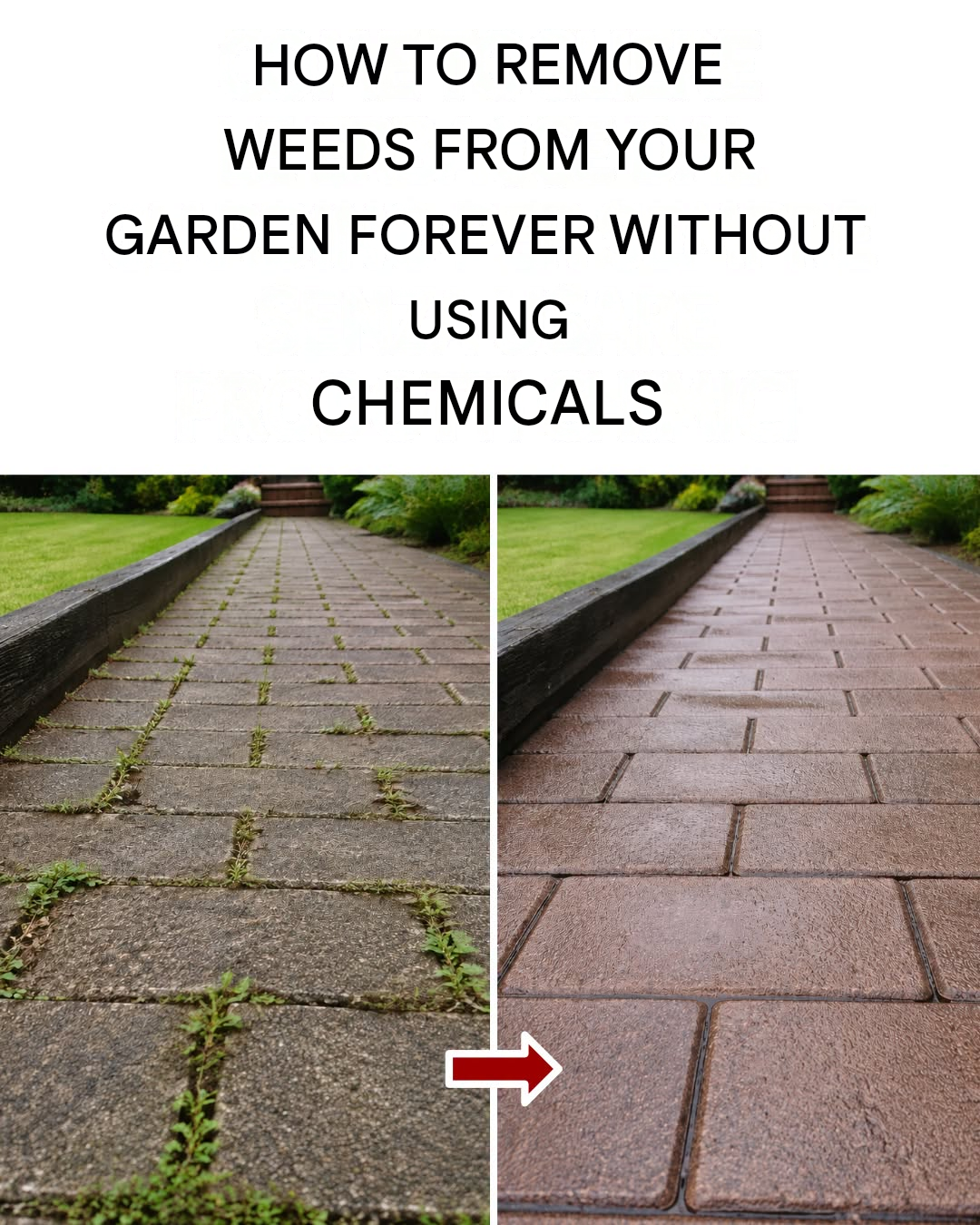
3. Boiling Water for Paving Weeds
Pouring boiling water directly onto weeds growing in cracks between paving stones or sidewalks can kill the exposed plant tissue and reduce weed growth. Use a kettle or similar container to carefully target the weeds without splashing.
This method only affects plants it contacts; roots may survive, especially in deep-rooted varieties, so repeated treatments are necessary. Avoid using boiling water near desired plants or on surfaces that could be damaged by heat.
- Suitable primarily for small, young weeds in hardscape gaps.
- Not recommended for use on porous stone or concrete that may crack under rapid temperature changes.
- Avoid use near delicate garden plants to prevent accidental damage.