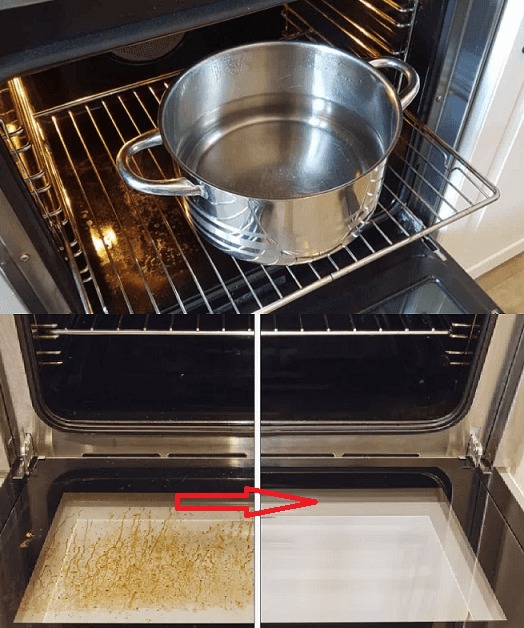
Removing residue
After the waiting period, use a damp cloth or sponge to wipe away the dried baking soda paste. It should come off with moderate pressure, bringing grease and grime along. For stubborn spots, a plastic scraper can help without scratching the oven surfaces.
If residue persists, spray white vinegar lightly over those areas. The vinegar will react with the baking soda, creating a foaming action that loosens remaining dirt. Wipe thoroughly with a damp cloth to remove the foam and loosened grime. This two-step chemical reaction avoids harsh abrasives while effectively lifting buildup.
- Wipe off the baking soda paste with a damp cloth.
- Use vinegar spray on remaining dirty spots to activate foaming.
- Rinse thoroughly with clean water to remove all residues.
Final cleaning and heating
Once all residues have been removed, give the oven a final wipe down with a clean, damp cloth to eliminate any lingering vinegar or baking soda. Dry the surfaces completely with a dry cloth to prevent moisture damage.
As a finishing step, turn on your oven to a low temperature—typically around 200°F (93°C)—for 15 to 20 minutes. This gentle heating helps evaporate any remaining moisture and burns off minor leftover residues, restoring the oven’s appearance and function.
- Perform a final wipe to remove any traces of cleaning agents.
- Dry all surfaces thoroughly before heating.
- Heat oven on low for 15-20 minutes to finish cleaning.
What to avoid
Avoid using harsh chemical oven cleaners alongside baking soda and vinegar, as mixing chemicals can produce dangerous fumes. Do not use abrasive metal brushes or scouring pads that can scratch enamel or glass surfaces. Also, do not apply baking soda paste directly onto heating elements or electrical components, as moisture and abrasives can cause damage.
Never combine vinegar and bleach or ammonia-based cleaners, as these combinations are unsafe. Baking soda and vinegar alone provide an effective and safer cleaning alternative.
Handling it safely
Wear rubber gloves during application and removal of the baking soda paste to protect skin from irritation. Ensure good ventilation during the vinegar spray step to avoid inhaling fumes. Keep all cleaning materials out of reach of children and pets. Rinse your cloths and sponges thoroughly after use to remove residues.
When to seek professional cleaning
If your oven has severe, hardened grease deposits or damage to interior surfaces, professional cleaning services may be necessary. Costs typically range from $100 to $250 depending on oven size and service location. Professionals use specialized tools and safe chemical agents to restore oven performance without risk to delicate components.
Regular maintenance with baking soda and vinegar can reduce the frequency of costly professional cleanings.
Conclusion
This baking soda and vinegar cleaning method offers an affordable, safe, and effective way to maintain your oven’s cleanliness and performance. By following the preparation, application, and removal steps carefully, you can avoid harsh chemicals and abrasive tools that damage your appliance. Routine cleaning preserves your oven’s efficiency, saves energy, and extends its lifespan, making your cooking experience better and your kitchen healthier.






