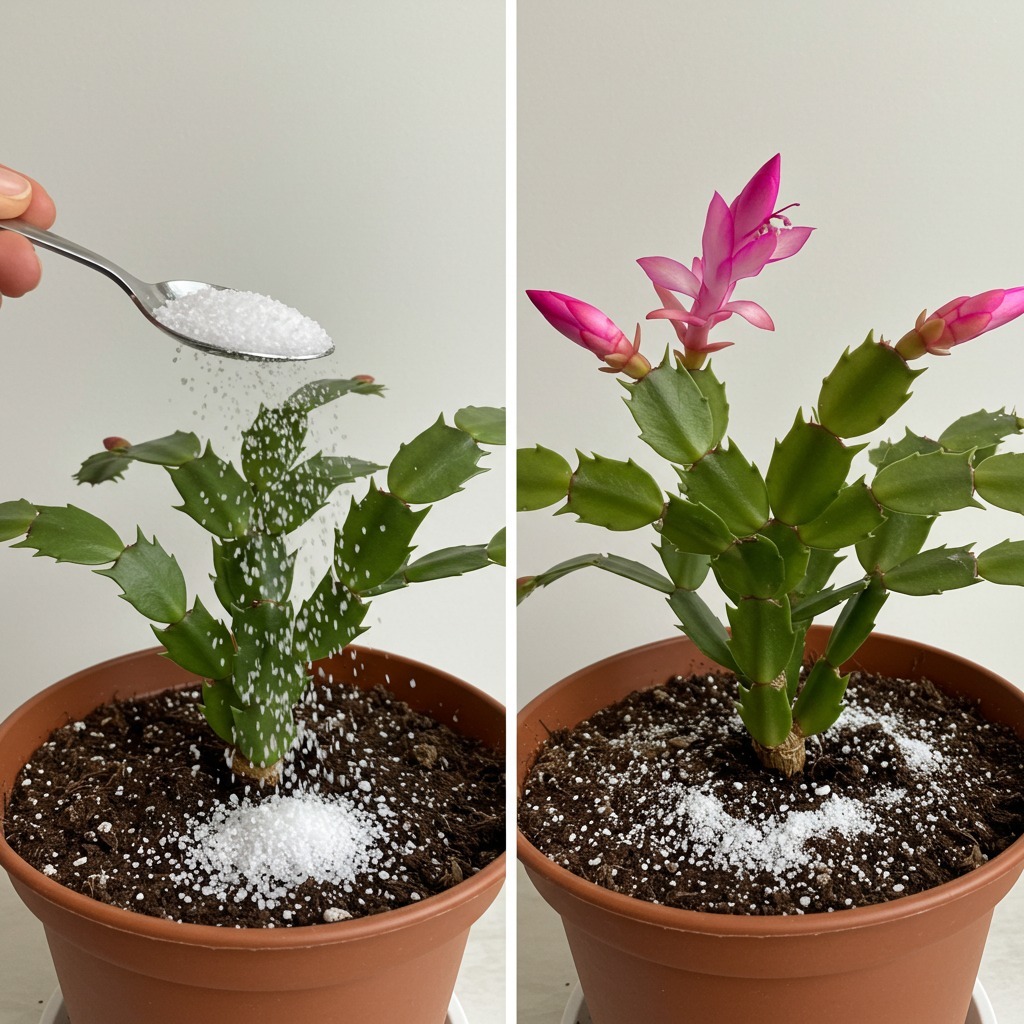
3. Identifying plant stress in fall
Fall brings environmental changes that stress houseplants—cooler temperatures, drier indoor air, reduced sunlight, and fluctuating humidity levels. Recognizing stress signs early helps prevent decline and prepares plants for winter.
Common stress indicators include drooping or wilting leaves despite proper watering, leaf yellowing, premature leaf drop, and slowed growth. Some plants may develop brown leaf edges due to dry air or root issues caused by overwatering as growth slows.
- Wilting or drooping leaves
- Yellow or brown leaf edges
- Leaf drop disproportionate to normal seasonal shedding
- Stunted or halted new growth
Adjusting care by moderating watering, increasing humidity with misting or pebble trays, and ensuring adequate but indirect light helps reduce stress.
4. Avoiding nutrient imbalances
While supplementing magnesium with Epsom salt is beneficial, overapplication risks disrupting the delicate nutrient balance essential for healthy plant growth. Excess magnesium can inhibit calcium and potassium absorption, leading to secondary deficiencies that cause leaf spots, poor root development, or weak stems.
Maintain balanced feeding by using a complete, low-dose fertilizer monthly alongside Epsom salt treatments. Avoid combining Epsom salt treatments with phosphorus-rich fertilizers at the same time, as this can cause nutrient lockout. Always water plants well after applying fertilizers or supplements to prevent salt buildup in the soil.
- Apply Epsom salt no more than once every 3 to 4 weeks
- Use a balanced fertilizer with micronutrients on a monthly schedule
- Ensure proper drainage to prevent salt accumulation
- Regularly check soil pH; magnesium uptake is optimal at pH 6 to 7
Careful nutrient management helps houseplants stay vibrant and resilient through the low-light months.






