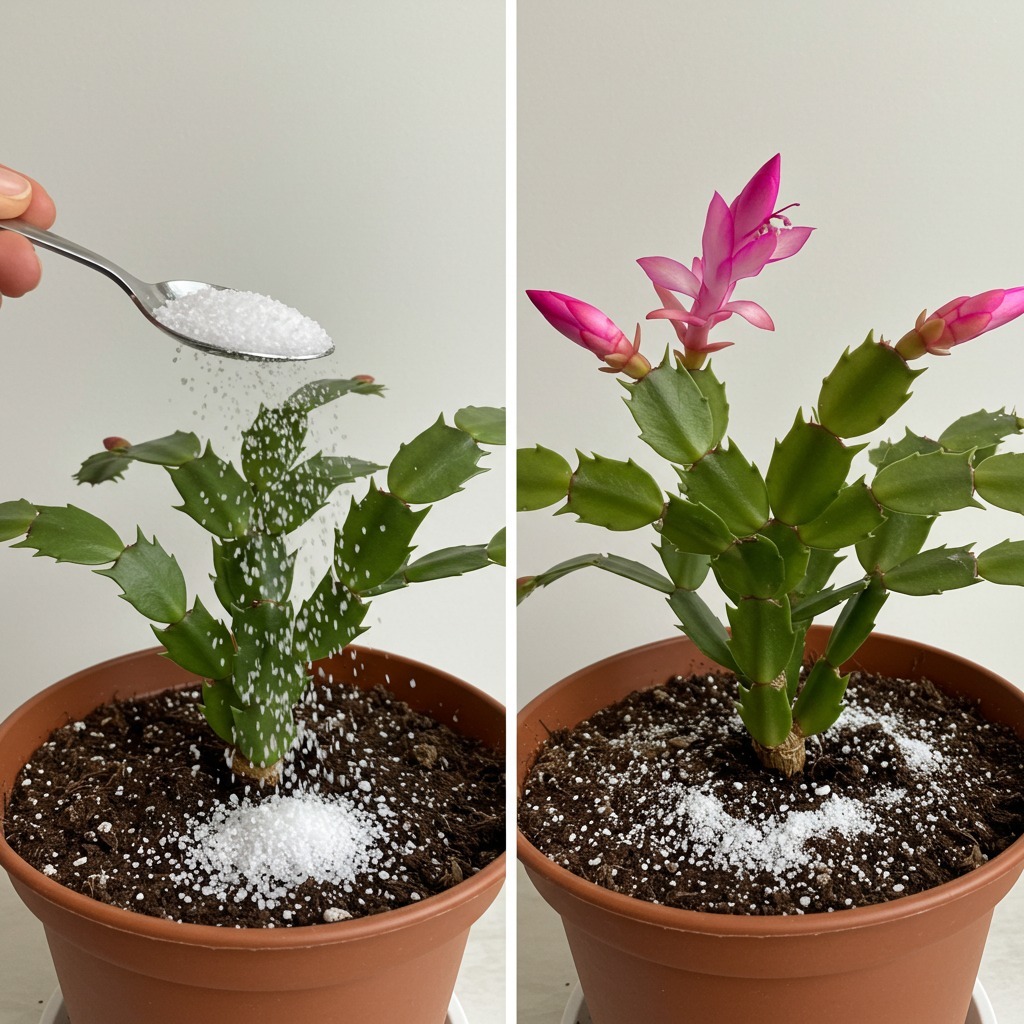
5. Supporting root health
Root health is essential for nutrient uptake and overall plant vitality, especially in fall when growth slows. Healthy roots absorb magnesium and other minerals effectively, helping plants withstand colder indoor temperatures and dry air.
To support roots, ensure pots have adequate drainage holes and use well-aerated potting mixes. Avoid overwatering; allow the top inch of soil to dry between waterings. Incorporating organic matter or compost into potting soil can improve microbial activity, which aids nutrient availability.
- Choose pots with drainage holes to prevent waterlogging
- Use a light, airy potting mix with organic components
- Water thoroughly but only when the soil surface is dry to the touch
- Consider occasional root stimulator products that contain beneficial microbes
Strong roots enable plants to uptake magnesium from Epsom salt treatments efficiently, leading to healthier foliage and blooms.
6. Combining natural care methods
Maximize the benefits of magnesium supplementation by integrating other natural care practices. Rotate plants every few days to ensure even light distribution on all sides, preventing one-sided growth. Mist leaves lightly to maintain ambient humidity, especially in heated indoor environments.
Feed plants monthly with diluted compost tea or a gentle organic fertilizer to provide a range of nutrients. Regularly remove dead or yellowing leaves to redirect energy to new growth and reduce disease risk. These combined practices create a nurturing environment that keeps houseplants thriving through fall and winter.
- Rotate plants every 3 to 5 days for balanced light
- Mist leaves weekly to increase humidity
- Apply diluted compost tea or organic fertilizer monthly
- Prune dead or yellow leaves promptly
What to avoid
Avoid overusing Epsom salt or combining it with phosphorus-heavy fertilizers at the same time, as this can cause nutrient lockout and harm plants. Do not apply Epsom salt on sensitive succulents or cacti other than Christmas cacti. Avoid letting Epsom salt solution contact leaves directly to prevent spotting. Excessive watering or poor drainage can lead to root rot, negating the benefits of magnesium supplementation.
Handling it safely
Use gloves when handling Epsom salt to avoid skin irritation, and keep it out of reach of children and pets. When preparing solutions, mix thoroughly to dissolve crystals and avoid buildup. Rinse any spills immediately to prevent slippery surfaces or damage to flooring.
When professional care is needed
If your plants continue to decline despite proper magnesium supplementation and care, consider consulting a plant specialist or horticulturist. Persistent nutrient deficiencies, root diseases, or pest infestations may require professional diagnosis and treatment. Costs can vary from consultation fees to specialized soil amendments or treatments.
Conclusion
Supporting your houseplants during fall with targeted magnesium supplementation through Epsom salt, combined with attentive watering, balanced feeding, and humidity management, can maintain vibrant foliage and encourage blooming despite shorter days. This thoughtful approach nurtures resilient indoor plants that bring color and life to your home throughout the colder months.






