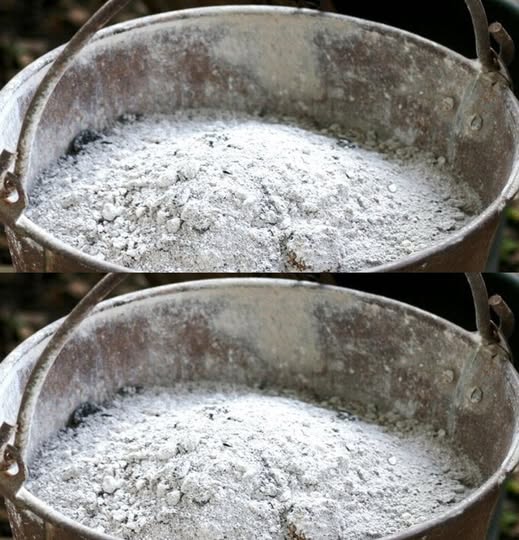
1. Natural fertilizer
Wood ashes are rich in potassium, calcium, and magnesium—nutrients essential to plant health. To use ashes as a fertilizer, sprinkle a thin, even layer over your garden soil, ideally during the early spring or fall when plants begin their growth cycles. Avoid heavy applications; a light dusting is sufficient because excessive ash can raise soil pH too much, making it alkaline and unsuitable for acid-loving plants.
This fertilizer works best for plants that thrive in alkaline conditions, such as tomatoes, carrots, and roses. It improves soil structure and nutrient content, enhancing plant vigor and bloom. Avoid using ashes on acid-preferring plants like blueberries, azaleas, or rhododendrons, as it can harm them.
- Apply ashes sparingly—about 1 cup per 10 square feet.
- Incorporate ashes into the topsoil rather than leaving them on the surface.
- Do not use ashes from treated or painted wood, as toxic residues may be present.
- Test soil pH periodically to monitor alkalinity.
2. Pest control
Ashes create a natural barrier against slugs and snails by causing dehydration upon contact. To use, sprinkle a narrow line of dry ashes around the base of vulnerable plants in your garden to deter these pests. Refresh the ash barrier after rain or heavy watering since moisture reduces its effectiveness.
This method is chemical-free and safe for most garden plants, but avoid applying ashes directly onto plant leaves or delicate seedlings, as the alkaline ash can cause leaf burn or damage young tissues.
- Apply in dry weather for best results.
- Keep ash away from plants that prefer acidic soil.
- Do not mix ash pest barriers with other garden chemicals or fertilizers at the same time.
- Replenish ash barriers weekly or after rain.






