3. Odor neutralizer
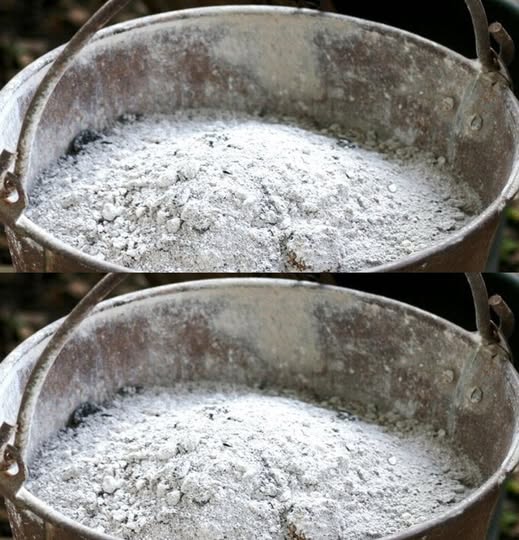
Wood ashes absorb odors similarly to baking soda. To use ashes as a deodorizer, place a small container filled with dry ashes in enclosed spaces such as closets, pantries, or refrigerators. The porous nature of ash traps moisture and neutralizes musty or unpleasant smells over several days.
Replace the ashes every one to two weeks to maintain effectiveness. Avoid using ashes that are still warm or contain large embers, as these could pose a fire hazard.
- Use only cool, fully extinguished ashes.
- Keep containers out of reach of children and pets to avoid ingestion.
- Do not apply ashes directly on fabrics or delicate surfaces to prevent staining.
4. Soap making
Historically, ashes have been utilized to produce lye water, a key ingredient in traditional soap making. To prepare, soak a handful of wood ashes in a container with water, stirring and allowing the mixture to settle. The resulting alkaline liquid can then be used as a natural source of lye for soap base preparation.
This process requires precision and caution because lye is caustic. Homemade lye from ashes is less concentrated than commercial lye, which may affect soap quality and consistency. Avoid using ashes from treated woods or those containing contaminants.
- Use hardwood ashes for best results.
- Strain the liquid carefully to remove ash particles.
- Handle the lye solution with gloves and eye protection.
- Do not mix lye solutions with acids or other chemicals.
What to avoid
Avoid applying ashes to acid-loving plants or mixing ashes with other garden chemicals, as this can lead to harmful chemical reactions or soil imbalances. Do not use ashes from treated, painted, or chemically treated wood for any application due to toxic residues. Combining ash-based pest control with other chemical pesticides is unsafe and may reduce effectiveness.
Handling it safely
Always wear gloves and eye protection when handling ashes, especially when preparing lye solutions for soap making. Ensure ashes are completely cooled before use to prevent burns or fires. Keep ashes and ash-containing mixtures out of reach of children and pets. Work in well-ventilated areas to avoid inhaling ash dust.
When professional help is needed
If pest infestations, soil nutrient deficiencies, or odor problems persist despite ash applications, consider consulting a professional gardener or pest control service. For soap making, if precise lye concentrations or quality control are critical, commercial lye and professional guidance are recommended. Professional soil testing services can assess pH and nutrient levels, typically costing between $20 and $50, to guide proper soil amendments.
Conclusion
Wood ashes, often discarded as waste, provide valuable uses ranging from natural fertilization and pest control to odor absorption and traditional soap making. While versatile, their alkaline nature demands careful application to avoid damaging plants or surfaces. With proper handling and moderation, ashes can become a sustainable resource enhancing your garden and home routines.






