3. Fixes running toilet?
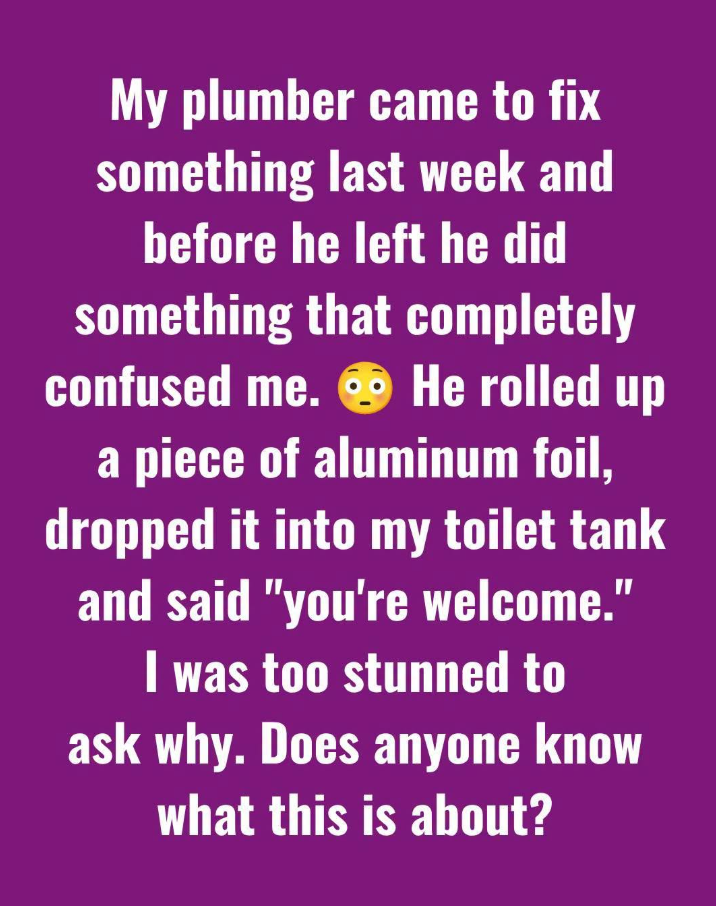
Aluminum foil cannot fix a running toilet. Persistent running after flushing is usually caused by mechanical issues such as a worn flapper, a flush valve that doesn’t seal properly, a malfunctioning fill valve, an incorrectly adjusted float, or a tangled chain. These problems allow water to flow continuously when it should stop.
To diagnose a running toilet, remove the tank lid and look for water flowing into the overflow tube or listen for refilling sounds when the toilet has not been used. Adding food coloring to the tank and waiting 10 to 15 minutes without flushing can reveal leaks if the colored water appears in the bowl.
Repair usually involves replacing faulty parts like the flapper or adjusting the float. If unsure, consulting a plumber can prevent unnecessary damage and ensure proper repair.
4. Cleans toilet bowl?
Dropping aluminum foil into the toilet tank will not clean the toilet bowl automatically. The idea that foil releases cleaning agents or physically scrubs the bowl surfaces is unsubstantiated. Effective toilet bowl cleaning requires appropriate cleaning products and manual scrubbing or specialized cleaning tools.
For persistent stains or buildup, use toilet cleaners formulated to break down mineral deposits and organic matter. Follow product instructions carefully to avoid damage to your toilet’s finish.
What to avoid
- Do not place aluminum foil or any random objects in the toilet tank expecting to fix mechanical issues or reduce water usage.
- Avoid mixing cleaning chemicals when using commercial toilet cleaners, as this can produce hazardous fumes.
- Do not scrub corroded or delicate toilet components aggressively to prevent damage.
Handling it safely
When using toilet cleaning products, wear gloves and ensure proper ventilation. Avoid contact with eyes and skin, and keep all cleaning agents out of reach of children and pets.
When to call a plumber
If your toilet continues running, leaks, or displays persistent stains after cleaning, it may be time to hire a professional. Repair costs vary but typically range from replacing simple parts like flappers to more extensive valve repairs. A plumber can accurately diagnose and fix these issues, preventing water waste and potential damage.
Conclusion
Aluminum foil in the toilet tank does not stop rust stains, reduce water use, fix running toilets, or clean the bowl. Effective maintenance requires addressing the actual causes—whether that means cleaning with appropriate products, repairing or replacing mechanical parts, or upgrading fixtures. Relying on foil distracts from these proven solutions and can lead to frustration or damage. For lasting results, focus on proper diagnosis and repair rather than viral shortcuts.






