Urgent Plumbing Note
If your toilet is overflowing or you notice sewage backing up beyond the toilet bowl, avoid further flushing and contact a professional plumber immediately to prevent water damage and health risks.
How to Decide If a Hose Method Can Help Your Toilet Clog
Before attempting any DIY unclogging, it’s crucial to determine the nature of the blockage. Is the clog localized to the toilet drain or is it part of a larger plumbing issue? If the water rises slowly when flushed or drains with difficulty, this often indicates a blockage near the toilet trap, which a hose method can address.
However, if water is backing up from multiple drains or the toilet remains blocked after several attempts, this could signal a more severe obstruction or sewer line problem requiring professional tools and expertise.
Check Your Cleaning Supplies and Plumbing Tools
Many toilet clogs can be worsened or masked by the use of chemical drain cleaners. These products often do not resolve deep blockages and can damage plumbing. Instead, consider mechanical methods first, such as using a hose to reach clogs that sit beyond the reach of a plunger.
Having baking soda and vinegar on hand not only helps break down organic matter but also neutralizes odors commonly associated with toilet clogs, making your bathroom more pleasant during and after the process.
Cost and Equipment Considerations
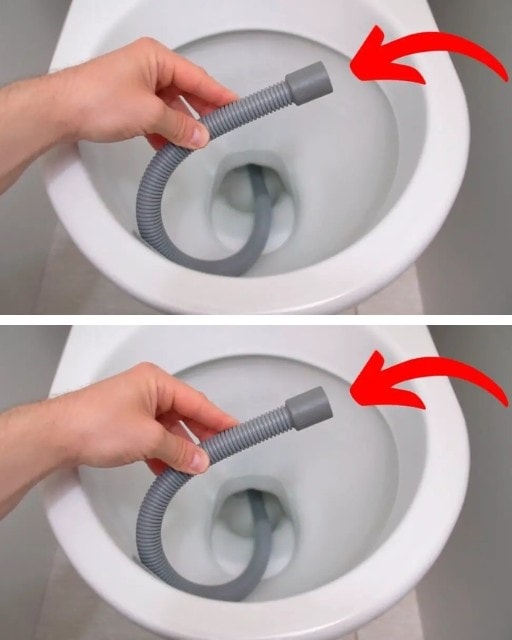
Using a standard garden or washing machine hose and household items like baking soda and vinegar can save you hundreds of dollars compared to calling a plumber for simple clogs. Hoses of about one meter in length are ideal for reaching common toilet blockages.
Keep in mind that while this method is cost-effective and environmentally friendly, it requires some preparation, including modifying a plastic bottle to create a funnel for connecting the hose securely to the toilet.
Here are the 4 key steps to follow. The most critical part is ensuring the hose is properly sealed to the funnel for effective pressure application without leaks.






