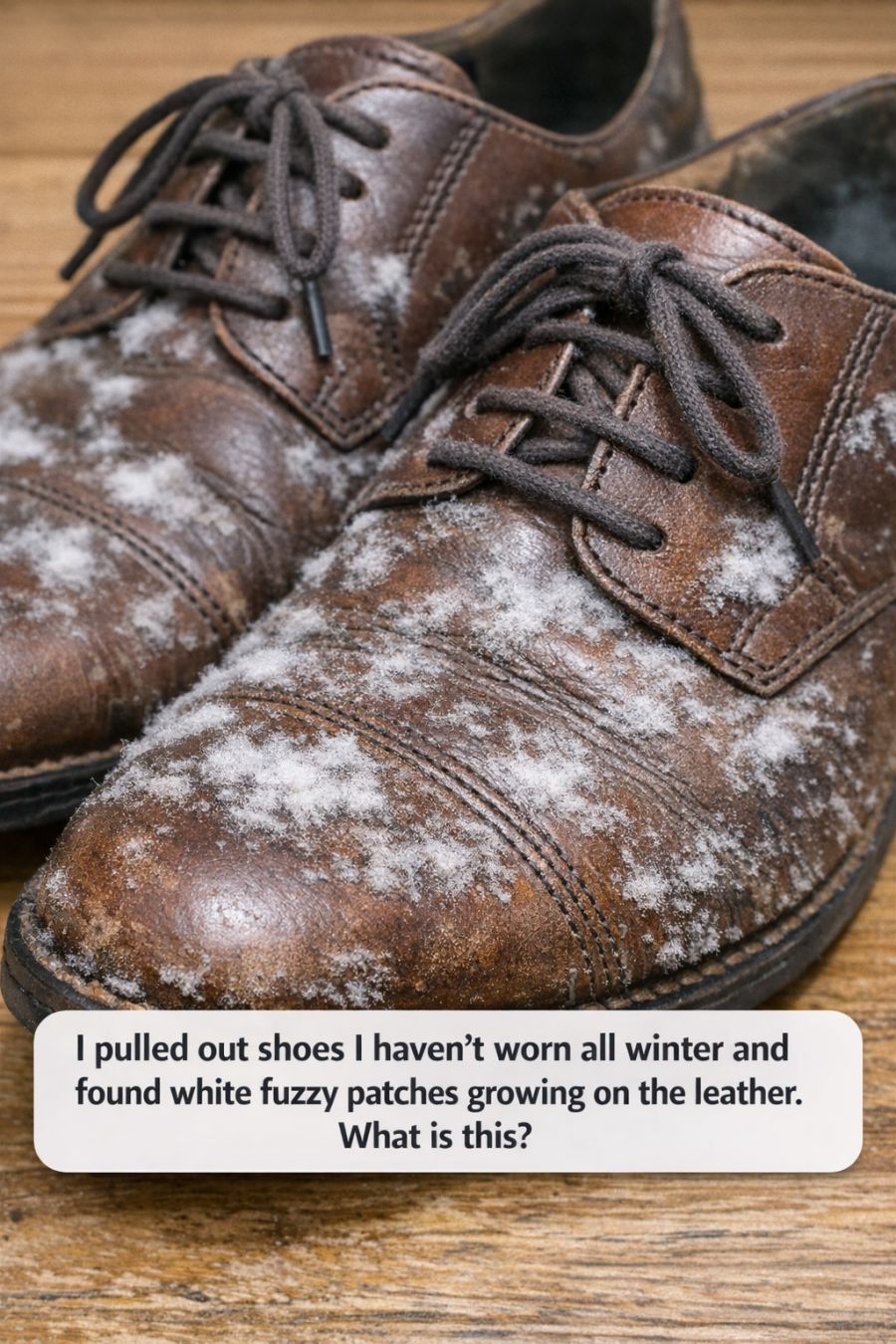
White Fuzzy Patches on Leather Shoes: Mold or Something Else?
When you pull out your leather shoes after a long winter storage and notice white fuzzy patches on their surface, the first crucial question is whether this is simply dirt, salt residue, or mold growth. This distinction matters because each condition requires a different cleaning approach and has different implications for the health of your shoes and your wallet.
How to Identify Mold on Leather Shoes
The white fuzzy spots are usually mold or mildew—a type of fungus that thrives in damp, warm, and poorly ventilated environments. Unlike salt stains, which appear as chalky, powdery white residues often caused by road salt exposure, mold can be fuzzy and may range in color from white to green or black. Mildew tends to be powdery and white or gray.
Leather is a porous natural material that absorbs moisture from humid air, especially when shoes are stored in environments with humidity above 60%. Over winter, closets, basements, or boxes without proper airflow create perfect conditions for mold to develop. Additionally, leftover organic matter like sweat, dirt, and skin oils on the shoes provide nutrients that encourage fungal growth.
Simple Test to Differentiate Mold, Mildew, and Salt Stains
To tell them apart, you can use a damp cloth moistened with white vinegar. Mold and mildew will transfer onto the cloth because the fungus loosens with the acidity, while salt stains will dissolve and leave a clear mark on the cloth. This test helps you decide whether you’re dealing with a fungal infestation or a mineral deposit, which affects your cleaning choices.
Costs and Consequences of Ignoring Mold on Leather Shoes
If mold penetrates the leather deeply, it can weaken the material and cause irreversible damage, potentially requiring professional restoration or replacement. Professional cleaning services for leather shoes typically cost between $50 and $150 depending on the severity and shoe value. Ignoring mold not only risks ruining expensive footwear but also poses health risks, especially for people with allergies or respiratory sensitivities, as mold spores may become airborne during handling.
Proper identification and early intervention are key to preserving your shoes and avoiding costly repairs or replacements. Storing shoes in dry, well-ventilated areas with humidity control and using moisture absorbers like silica gel packets can prevent mold growth during storage.
When to Consult a Professional
If your shoes are valuable or mold is widespread and deeply embedded, home cleaning methods may be insufficient. Professionals use specialized treatments to eradicate mold without damaging the leather’s finish or color, protecting your investment and extending the life of your footwear.
Handling moldy shoes requires care: always use gloves and a mask to limit exposure to spores, and if you experience symptoms like sneezing or skin irritation after contact, consult a healthcare provider.
Here are the 10 key factors to understand about white fuzzy patches on leather shoes. One of them is critical for deciding whether your shoes can be saved or need replacing.






