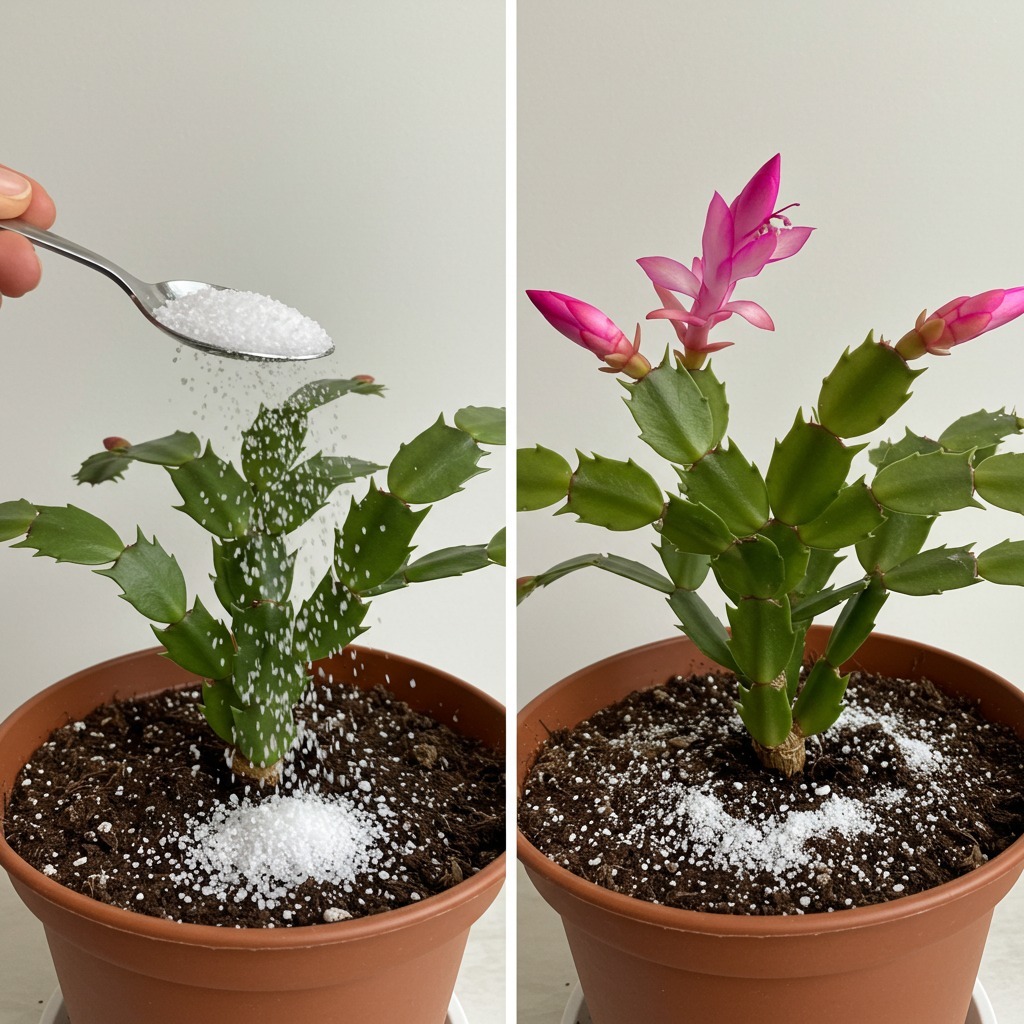
Is Your Indoor Flowering Plant Dying or Just Tired? How to Tell the Difference
As the days grow shorter and temperatures cool in the fall, many indoor flowering plants begin to lose their vibrancy. Leaves may yellow or dull, flowers fade, and growth slows. But before you assume your plant is dying, it’s crucial to distinguish between normal seasonal slowdown and nutrient deficiency—especially magnesium deficiency, which is common during autumn months.
Magnesium is a vital mineral that plays a central role in photosynthesis—the process by which plants convert light into energy. Without adequate magnesium, plants struggle to produce chlorophyll, leading to yellowing leaves and reduced flower production. This deficiency can easily be mistaken for natural decline, but the correct intervention can revive your plants’ health and appearance.
How to Check for Magnesium Deficiency
Look closely at your plant’s leaves. Early signs include pale green or yellowing between leaf veins while the veins themselves remain darker green. This pattern usually starts on older leaves and progresses if left untreated. If your plant shows these symptoms during fall—when natural growth slows—it’s likely magnesium levels are too low, not that the plant is dying.
Ignoring magnesium deficiency can lead to stunted growth, weak roots, and fewer or smaller flowers. Over time, the plant may become more susceptible to pests and diseases. Repairing this deficiency promptly can save you from costly plant replacements or professional plant care services, which can range from $50 to over $200 depending on the plant and service complexity.
Why Epsom Salt Is the Practical Choice for Magnesium Supplementation
Epsom salt, chemically magnesium sulfate, offers a straightforward and cost-effective way to restore magnesium levels in your indoor plants. A typical treatment costs only a few dollars per application, a fraction of professional fertilization or plant health services.
However, it’s important to apply Epsom salt correctly to avoid nutrient imbalances. Excessive magnesium can block uptake of calcium and potassium, causing new problems. The best approach is a moderate dose spaced about once every 3 to 4 weeks during fall and winter.
What Happens If You Skip Treatment or Overdo It
Neglecting to address magnesium deficiency allows symptoms to worsen, potentially causing irreversible damage to roots and leaves. This can result in permanent decline, requiring replacement plants or costly interventions such as root treatments or specialist fertilization.
Conversely, overusing Epsom salt risks creating magnesium toxicity, which suppresses other essential nutrients and can mimic deficiency symptoms. This often leads novice gardeners to apply more treatments, worsening plant health and increasing expense.
Other Factors That Impact Plant Health in Fall
Besides nutrient levels, indoor plants face challenges from lower humidity, reduced light, and cooler indoor temperatures. These factors contribute to slowed growth and increased stress. Simple adjustments such as rotating plants for even light exposure and misting leaves to maintain humidity can enhance the effectiveness of magnesium supplementation.
Combining these practices with careful Epsom salt application supports root health and encourages more abundant, longer-lasting blooms—especially for winter-flowering plants like Christmas cactus, African violets, and orchids.
Here are the six essential steps to revive your indoor flowering plants this fall, with one that makes the biggest difference in bloom longevity.






