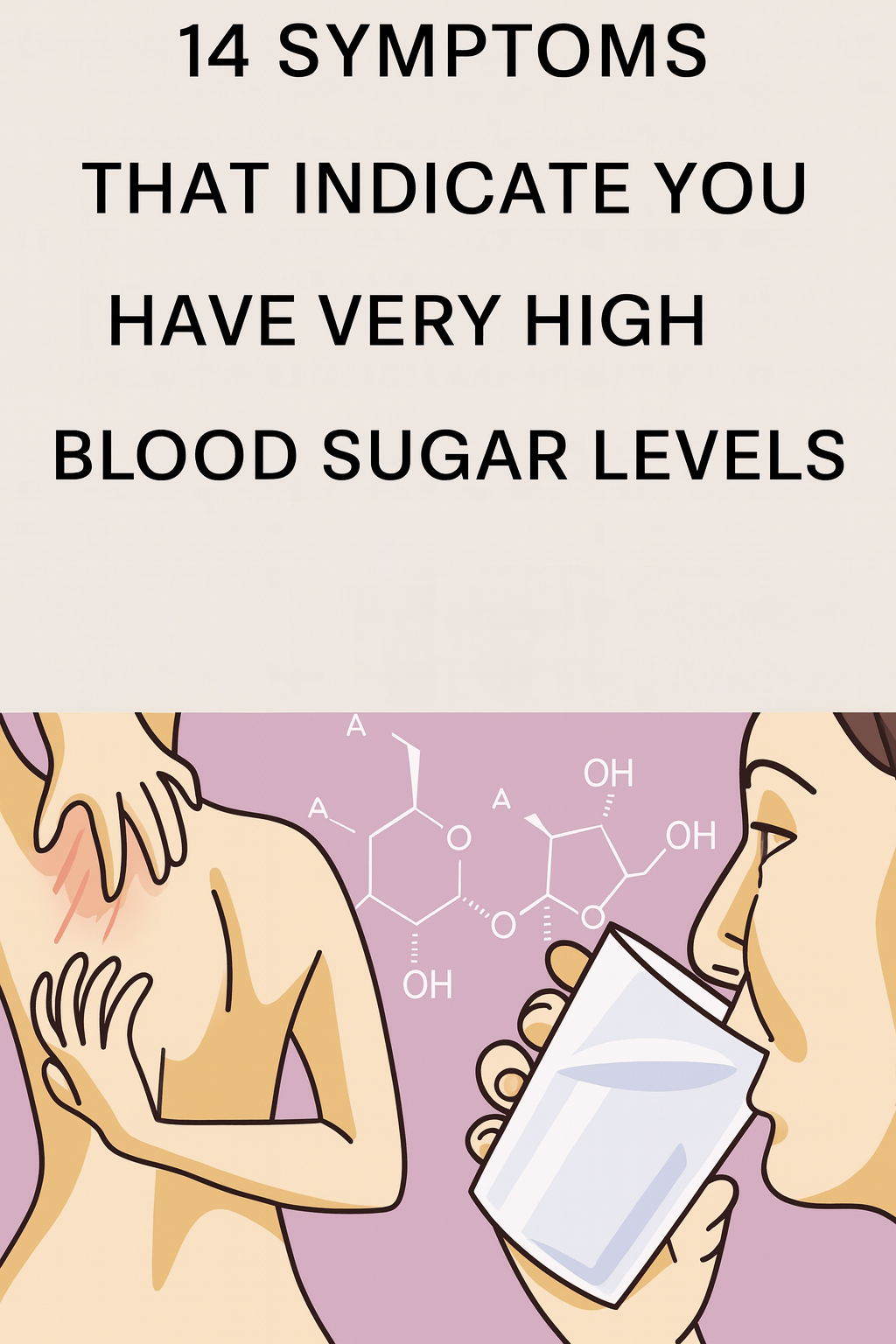
Emergency Note: Extremely high blood sugar can lead to diabetic ketoacidosis, a medical emergency requiring immediate treatment. If you experience severe symptoms like confusion, difficulty breathing, or persistent vomiting, seek emergency care immediately.
Understanding When High Blood Sugar Requires Urgent Attention
Very high blood sugar levels, medically known as hyperglycemia, can develop silently but may cause life-threatening complications if left unchecked. While commonly associated with diabetes, anyone can experience dangerously elevated glucose levels due to illness, medication effects, or other health conditions.
Recognizing the difference between mild and severe hyperglycemia is crucial because treatment urgency varies widely. Blood sugar above 180 mg/dL after meals is a warning sign, but sustained readings above 250 mg/dL increase the risk of acute complications such as diabetic ketoacidosis or hyperosmolar hyperglycemic state, both requiring prompt medical intervention.
Distinguishing High Blood Sugar Categories
Self-monitoring with a glucose meter is the frontline tool. If you measure your blood sugar and find consistently elevated levels beyond target ranges set by your healthcare provider, this indicates a need to reassess treatment or lifestyle.
Equally important is evaluating symptoms alongside readings. Some signs reflect early imbalance, while others signal more advanced issues that warrant urgent evaluation.
Check Your Medicine Cabinet
Certain medications can raise blood sugar levels unintentionally. These include corticosteroids, some diuretics, and atypical antipsychotics. If you are on any of these drugs and notice symptoms of high blood sugar, inform your doctor promptly. Adjusting or closely monitoring your medications can prevent dangerous spikes.
Why Early Testing and Diagnosis Matter
The financial cost of managing complications from uncontrolled high blood sugar is substantial. Hospital stays for diabetic ketoacidosis can exceed several thousand dollars, not to mention long-term costs from kidney dialysis or vision loss treatment. Early identification through symptom recognition and blood sugar testing can reduce these risks and associated expenses.
Routine blood sugar testing is often covered by insurance, including fasting glucose and HbA1c tests, which provide a longer-term view of blood sugar control.
High blood sugar is a critical health signal, not just a number. Acting on early symptoms can prevent severe, costly complications.
Here are the 14 symptoms that indicate very high blood sugar levels. Number 8 is the one that often goes unnoticed but can lead to serious complications if ignored.






