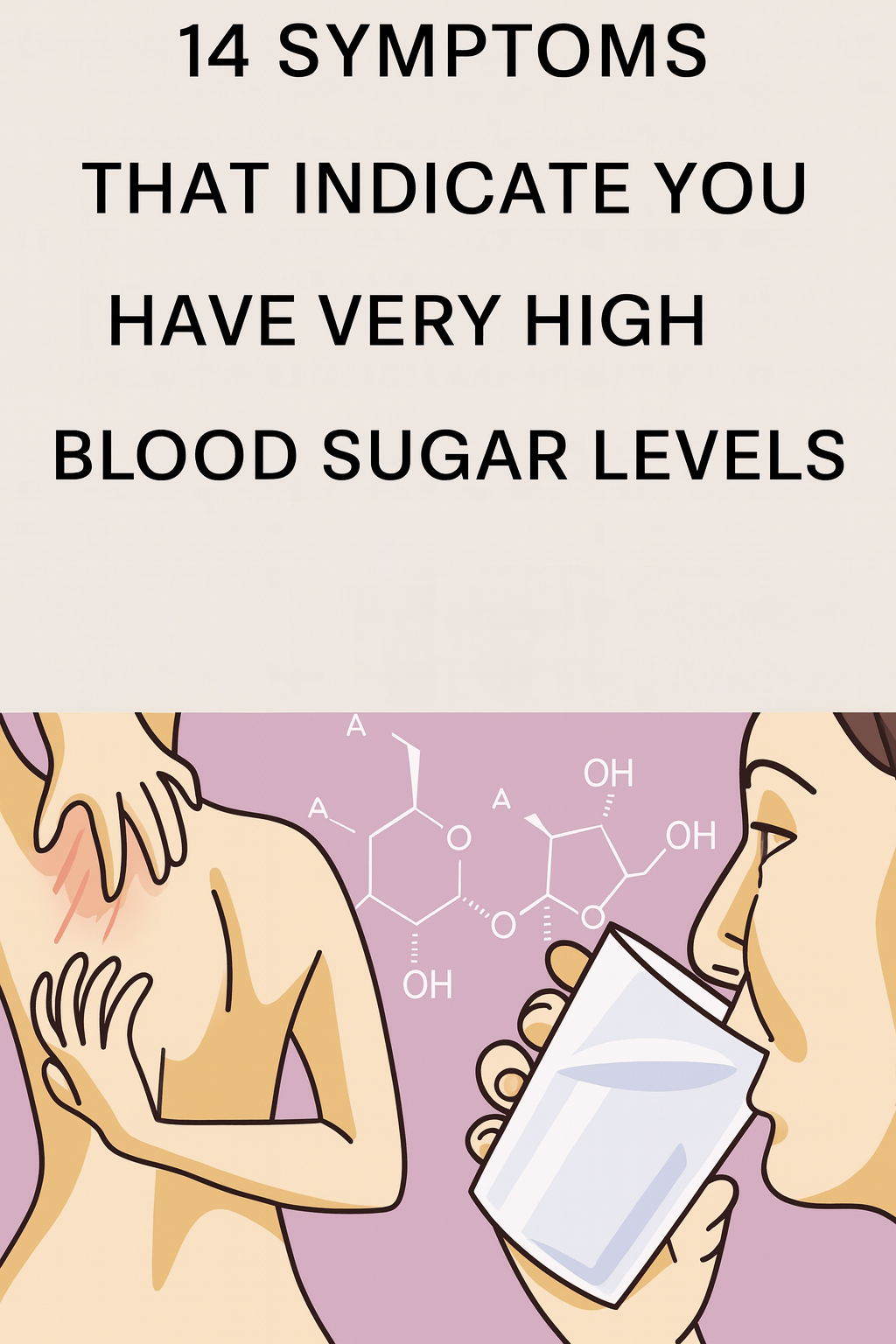
1. Excessive Thirst
Excessive thirst, medically known as polydipsia, is one of the earliest and most common signs of very high blood sugar (hyperglycemia). When blood sugar levels rise, your kidneys work harder to filter and absorb the excess glucose. If they can’t keep up, the excess sugar is expelled into your urine, dragging fluids from your tissues along with it. This fluid loss triggers dehydration, causing you to feel unusually thirsty.
In practice, this means you may find yourself drinking much more water than usual but still feeling a persistent dry sensation in your mouth and throat. This is different from normal thirst after exercise or heat exposure—it’s a constant need for fluids that doesn’t go away.
- Keep track if you notice you are drinking over 3 liters (around 100 ounces) of water daily without clear reason.
- This symptom is especially concerning if accompanied by other signs like frequent urination or fatigue.
Persistent excessive thirst should prompt a blood glucose test, as it can indicate uncontrolled diabetes or another condition causing elevated blood sugar.
2. Frequent Urination
Frequent urination, or polyuria, often accompanies excessive thirst and is another key symptom of high blood sugar. As glucose levels in your blood rise, your kidneys filter out more sugar, and the excess sugar pulls more water into your urine. This results in increased urine volume and frequency.
This symptom can manifest as needing to urinate more often than usual during the day and night, sometimes disrupting sleep. Nighttime urination (nocturia) is a common early warning sign that blood sugar is not well controlled.
- Adults typically urinate 4 to 8 times a day; frequent urination means significantly more than this.
- Waking up multiple times at night to urinate is a red flag for hyperglycemia.
Frequent urination can lead to dehydration if fluid intake does not keep pace, worsening symptoms like thirst and dry mouth. If you experience these symptoms together, it is important to have your blood sugar levels evaluated promptly.






