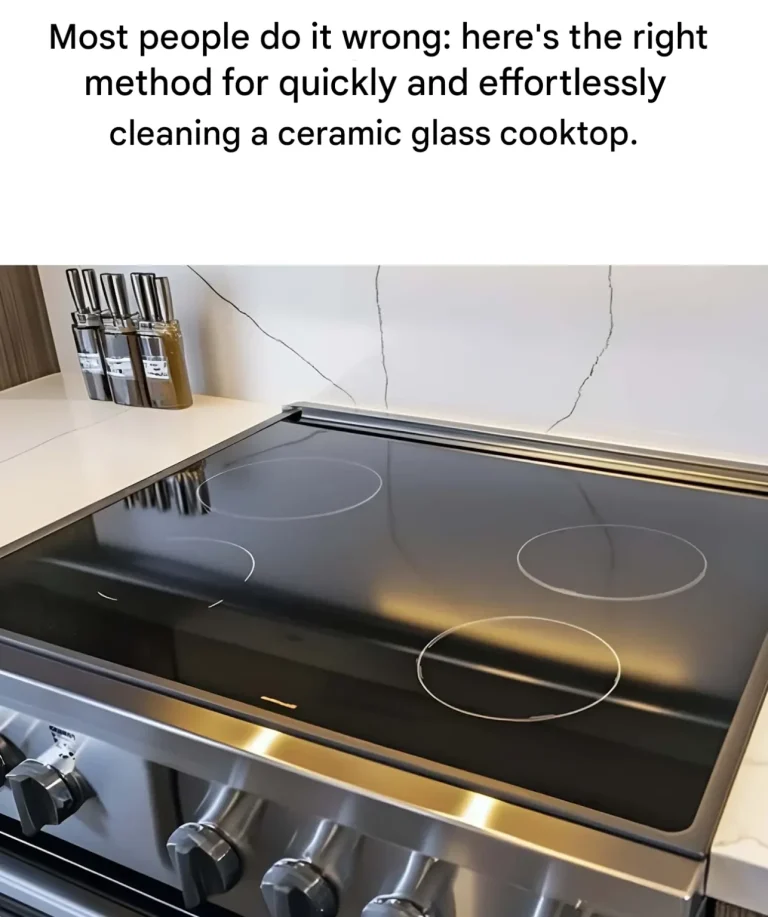
How to Protect Your Ceramic Glass Cooktop From Scratches During Cleaning
Ceramic glass cooktops are prized for their sleek appearance and smooth cooking surface, but they require special care when cleaning to avoid costly damage. Scratches not only mar the look of your cooktop but can also compromise its performance and lifespan. Effective cleaning is not just about removing stains—it’s about preserving the integrity of the glass.
Before you start scrubbing, it’s important to understand the nature of ceramic glass surfaces. Unlike metal or traditional stovetops, ceramic glass is more susceptible to scratching from abrasive materials or harsh chemicals. This means the choice of cleaning method directly influences whether you’ll maintain a flawless finish or end up with permanent marks.
Assess the Type and Severity of Residue
Cleaning your cooktop effectively begins with identifying the kind of residue you face. Light spills and dust require gentle wiping, while burnt-on food or hardened spills often demand more precise interventions. Attempting to remove tough stains with rough scrubbing or inappropriate tools can quickly cause scratches or damage.
Another key factor is whether the cooktop surface is warm or cold when you start cleaning. Cleaning a hot surface can lead to streaks or spread residues further, while a cold surface allows certain cleaners to work more effectively. Always wait for the cooktop to cool down completely before cleaning.
Why Avoid Abrasive Cleaners and Tools?
Many common household scrubbing pads, steel wool, or harsh powders are too abrasive for ceramic glass. These can create micro-scratches that dull the surface and trap dirt more easily, making subsequent cleaning harder. Instead, use soft cloths, microfiber towels, or sponges specifically designed for delicate surfaces.
Choosing a cleaning product formulated for ceramic glass is also crucial. These cleaners are pH-balanced and free from harsh chemicals that degrade the surface or leave residue films. Using generic or acidic cleaners can lead to long-term damage and discoloration.
Consider Your Cleaning Frequency and Routine
Regular maintenance cleaning prevents buildup that requires aggressive scrubbing. Wiping down the cooktop after each use with a soft, damp cloth removes fresh spills before they harden. This simple habit can reduce the need for heavy cleaning and minimize the risk of scratches.
Also, consider the environment where your cooktop is located. Dry air can cause residues to harden faster, so using a kitchen humidifier or ensuring proper ventilation might help keep the surface easier to clean.
Here are the 10 best practices for cleaning ceramic glass cooktops without scratching them. Number 7 is the step most users overlook — and it makes all the difference in preserving your cooktop’s shine.