Is Aluminum Foil a Safe and Effective Fix for Toilet Problems?
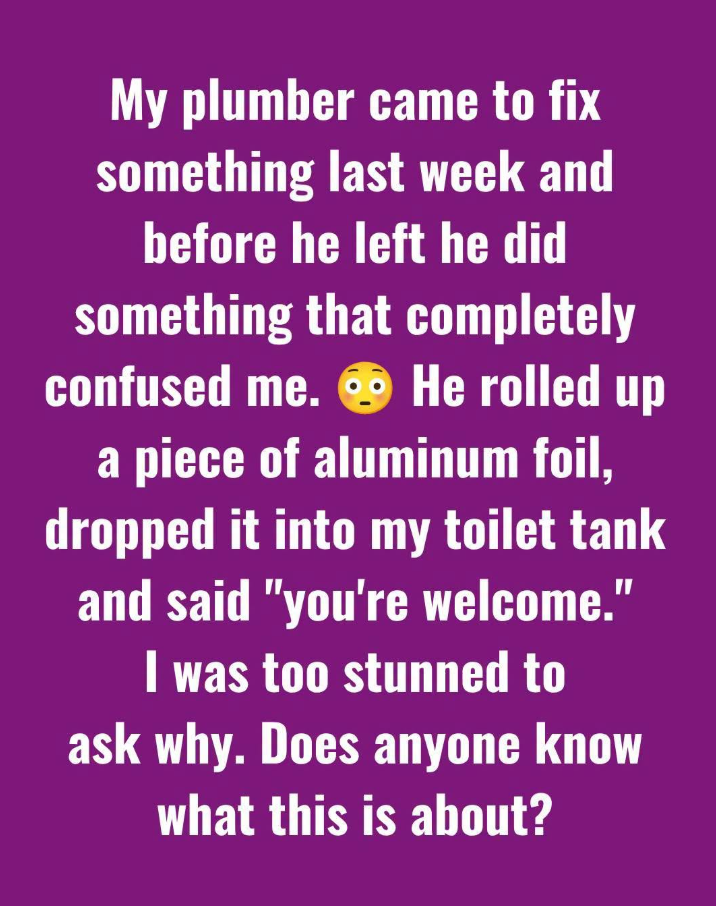
When faced with issues like rust-colored water or a running toilet, many homeowners look for quick fixes that avoid costly repairs. A viral hack suggests placing aluminum foil in the toilet tank to stop rust stains, reduce water use, or fix running problems. But before trying this, it’s essential to understand whether these claims hold up and what the real costs and solutions involve.
How to Identify the Cause of Discoloration in Your Toilet
If you notice reddish-brown stains either in the toilet tank or bowl, the key question is whether the issue is dirt or corrosion. Rust-colored water usually comes from iron in the water supply, corroded plumbing parts, or mineral deposits inside the tank or pipes. Simply adding aluminum foil will not address these underlying causes.
Ignoring corrosion can lead to more severe damage. For example, worn metal parts inside the tank may eventually fail, requiring replacement parts or even a full toilet replacement. Professional plumbing inspections typically cost between $150 and $300, but catching corrosion early can prevent these expenses.
Avoid using abrasive scrubbing or harsh chemicals on corroded components without verifying compatibility, as this can worsen damage or void warranties.
Does Aluminum Foil Actually Reduce Water Usage?
Another common claim is that a ball of aluminum foil inside the tank reduces water consumption by displacing water. This idea is misleading. Toilets are designed to use a specific volume of water per flush based on their mechanics and flush rating.
Displacing a small amount of water with foil does not meaningfully reduce water use and may impair flushing performance. Inefficient flushing can lead to clogs or require multiple flushes, ultimately increasing water bills.
To genuinely save water, check for silent leaks such as a faulty flapper or fill valve that causes continuous tank refilling. These leaks can waste hundreds of gallons monthly, significantly hiking your water bill.
Adjusting or replacing these parts typically costs $10 to $50 for parts plus labor if you hire a plumber. Consider upgrading to a water-efficient or dual-flush toilet model for long-term savings if your current toilet is outdated.
Can Aluminum Foil Fix a Running Toilet?
A running toilet generally indicates a mechanical failure like a worn flapper, an improperly sealing flush valve, or a malfunctioning fill valve. Aluminum foil cannot repair these issues.
Running toilets waste water continuously, increasing utility costs. A simple diagnostic test involves adding food coloring to the tank and checking if colored water leaks into the bowl without flushing, indicating a seal failure.
Replacing a flapper or adjusting the float mechanism usually resolves the issue, with parts costing under $20. If you’re unsure, a plumber’s service call may range from $100 to $200.
Does Aluminum Foil Clean the Toilet Bowl or Tank?
Some viral advice suggests that placing foil in the tank automatically cleans the toilet, but there is no scientific basis for this claim. Cleaning requires appropriate products designed for mineral deposits and stains. Regular maintenance with safe cleaners and occasional professional plumbing checks are the reliable way to keep your toilet clean and functioning properly.
In summary, aluminum foil in the toilet tank does not solve rust, water waste, running issues, or cleaning needs. Addressing the real causes promptly can prevent costly repairs and high water bills.
Here are the four key facts behind this viral toilet hack — and why only one of them involves real savings.






