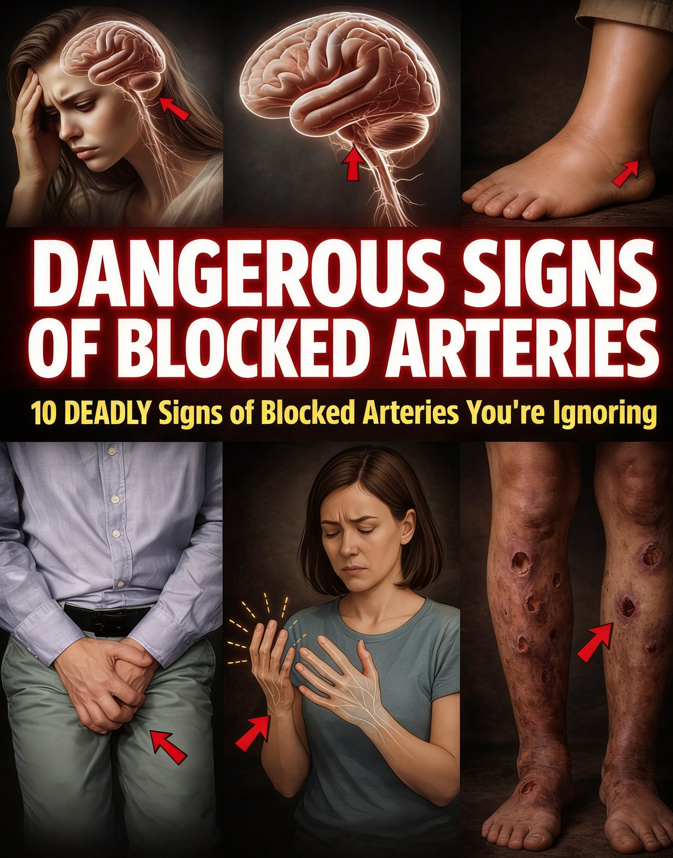
If you experience sudden severe limb pain, numbness, or loss of pulse, seek emergency medical help immediately. These symptoms may indicate a critical artery blockage requiring urgent treatment.
Distinguishing Early Signs of Blocked Arteries: Why It Matters
Blocked arteries, caused by atherosclerosis—the buildup of cholesterol, fat, and calcium deposits—reduce blood flow to vital organs and muscles. This process often starts gradually and silently, yet it can lead to serious cardiovascular events if not addressed early.
The challenge is that many symptoms are subtle or easily mistaken for aging, stress, or minor injuries. Recognizing these early signs is crucial for prompt evaluation and intervention, which can prevent heart attacks, strokes, or limb-threatening ischemia.
Peripheral Clues vs. Central Symptoms
One practical approach to understanding blocked arteries is differentiating between peripheral artery disease (PAD), affecting limbs, and coronary artery disease, impacting the heart. For example, leg pain during walking that resolves with rest often indicates PAD, while chest discomfort on exertion points to coronary issues.
Some signs, like erectile dysfunction in men, can appear years before heart symptoms, serving as an early warning of systemic artery narrowing. Unfortunately, such signals are frequently overlooked or not shared with healthcare providers.
Check Your Medicine Cabinet and Health History
Many individuals unknowingly worsen artery health due to untreated risk factors or medication side effects. High blood pressure, high cholesterol, diabetes, and smoking amplify artery damage. Medications managing these conditions can also influence symptoms or circulation.
Maintaining an updated list of your medications and health conditions can help your healthcare provider identify contributing factors. Routine screenings, including blood pressure checks and lipid panels, are essential parts of prevention and early detection.
When to Act and What to Track
Monitor when symptoms occur—during activity or rest, one side or both limbs, and how long they last. Patterns such as leg cramping after walking a predictable distance or chest tightness that eases with rest are significant. Also, note any new episodes of dizziness, sudden weakness, or fatigue without explanation.
Promptly sharing these observations during medical visits can guide more targeted diagnostic testing, such as ankle-brachial index measurements, cardiac stress tests, or imaging studies. Early awareness leads to lifestyle changes or treatments that may slow or reverse artery disease progression.
Here are the 10 warning signs. Number 1 is the urgent emergency no one should ignore — recognizing it can save limbs and lives.






